Do Cruise Drink Packages Include Gratuity?
On most cruise lines an 18 to 20 percent gratuity is added on top of the drink package price, though a few lines bundle the tip into the advertised price instead.
Read guide
On most cruise lines an 18 to 20 percent gratuity is added on top of the drink package price, though a few lines bundle the tip into the advertised price instead.
Read guide
Sometimes cruise prices drop as sailing nears when cabins go unsold, but popular sailings often rise instead, so last-minute savings are never guaranteed.
Read guide Yes, your cruise fare includes the main dining room, the buffet, and many casual venues, while specialty restaurants and some premium snacks cost extra.
Read guide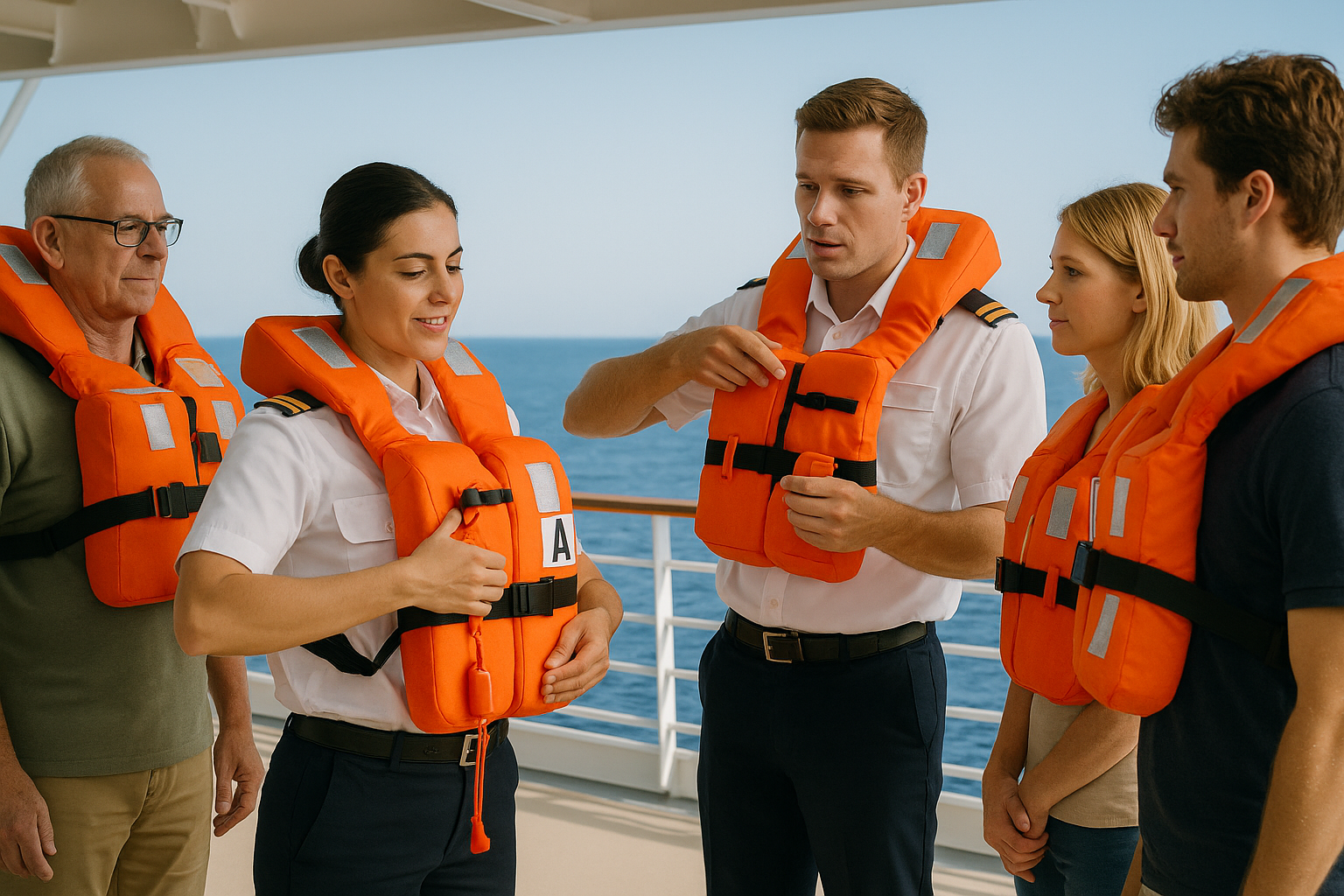
Ships have a trained security team and a small detention cell, and serious crimes are reported to the FBI or local authorities when the ship reaches port.
Read guide Yes, cruise ships still hold a mandatory muster drill, but most lines now use an e-muster: you watch a safety video in the app, then check in at your station.
Read guide Yes, all luggage is X-rayed at embarkation security. Alcohol over the line's allowance is flagged and usually held at a storage point until the end of the cruise.
Read guide Cruise bars pour standard measures, not watered-down alcohol. Cocktails can taste weak because of generous mixers and lots of ice, not because the liquor is diluted.
Read guide
Yes, Disney cruises serve alcohol to adults 21 and over, with bars, beer mug and wine packages, and the freedom to bring some aboard, but no all-you-can-drink plan.
Read guide No, Disney Cruise Line ships have no casinos. The line leaves them out by design to keep a family-first focus across every ship in its fleet.
Read guide A cruise ship anchor and its long, heavy chain grip the seabed to hold the ship in place, which is why ships can only anchor in relatively shallow water.
Read guide Cruise ship captains track storms with onboard meteorology and reroute or change itineraries to sail around hurricanes, using the ship's speed to stay clear.
Read guide Cruise ships run sewage through advanced onboard treatment plants that clean the wastewater before it's discharged far offshore under strict legal rules.
Read guide Cruise ships float because their wide, hollow hull displaces enough water to create an upward buoyant force that is greater than the ship's own weight.
Read guide Large diesel or gas generators produce a cruise ship's electricity, powering both the propulsion motors and the entire floating city of cabins and systems.
Read guide Cruise ships rely on CCTV and increasingly automated man-overboard sensor systems to spot a fall, then launch a search-and-rescue with the crew and coast guard.
Read guide Cruise lines earn modest margins on the fare itself and make much of their profit onboard from drinks, casinos, shore excursions, spa treatments, and extras.
Read guide Cruise ships navigate at night using GPS, radar, electronic charts, and AIS rather than eyesight, so darkness barely changes how safely and precisely they sail.
Read guide Cruise ships stay upright thanks to a heavy low keel, ballast tanks, and fin stabilizers that keep the center of gravity low so the ship simply self-rights.
Read guide Cruise ships steer with rotating azipod propulsion and bow thrusters, letting them turn, maneuver in tight ports, and even slide sideways into a dock.
Read guide
Cruise lines typically release itineraries 18 to 24 months ahead, and booking early locks in the best cabins and prices for your sailing.
Read guide