
Best Cruise Line Drink Packages, Ranked by Cost Per Day
We rank every major cruise line's drink package by cost per day — with break-even math, per-drink caps, and the fine print that changes the value calculation completely.
Read guide
We rank every major cruise line's drink package by cost per day — with break-even math, per-drink caps, and the fine print that changes the value calculation completely.
Read guide
Which cruise lines have the most norovirus outbreaks? CDC Vessel Sanitation Program data ranked by line — with the key context you need before booking.
Read guide
Norwegian leads all major cruise lines with 7 perfect CDC scores in 2024. See how Royal Caribbean, Carnival, Disney, MSC, and Princess rank by VSP sanitation data.
Read guide
Most Alaska cruising is calm because the Inside Passage is sheltered, but the open Gulf of Alaska on one-way sailings can get rougher seas.
Read guide Most Caribbean cruises aren't all-inclusive: your fare covers meals, cabin, and basics, while drinks, Wi-Fi, excursions, and gratuities cost extra.
Read guide
Cruise auto-gratuities are added automatically but technically adjustable, and luxury lines often include them, so tips are effectively expected on cruises.
Read guide Yes, cruise fares are quoted per person based on double occupancy, so two guests must share a cabin and a solo traveler usually pays a single supplement.
Read guide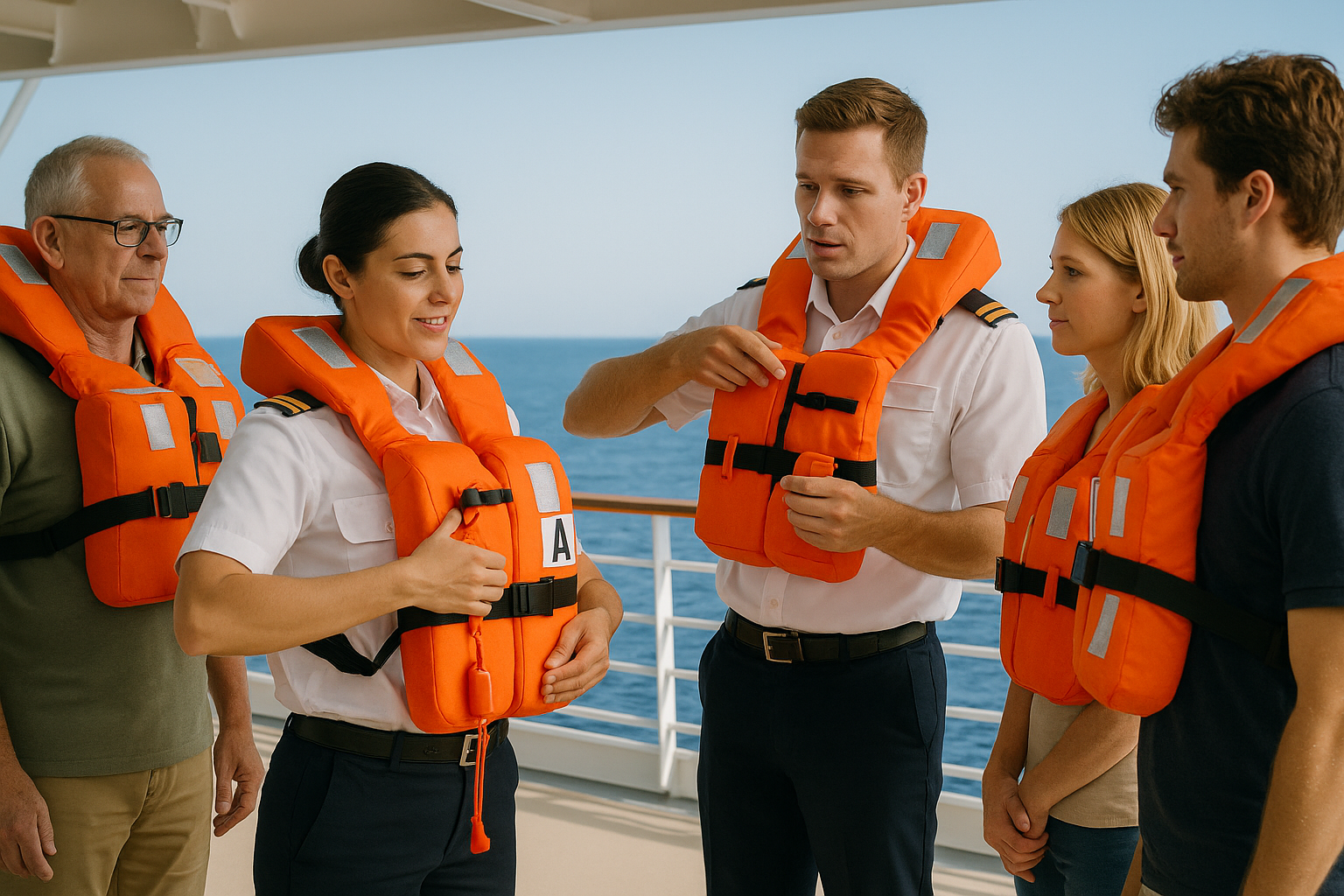
Cruising is generally safe earlier in pregnancy, but most lines bar travel after 23 to 24 weeks and may require a doctor's note confirming you are fit to sail.
Read guide Both cruising and flying are extremely safe. Serious cruise incidents are rare, though commercial flying has an even lower fatality rate per mile traveled.
Read guide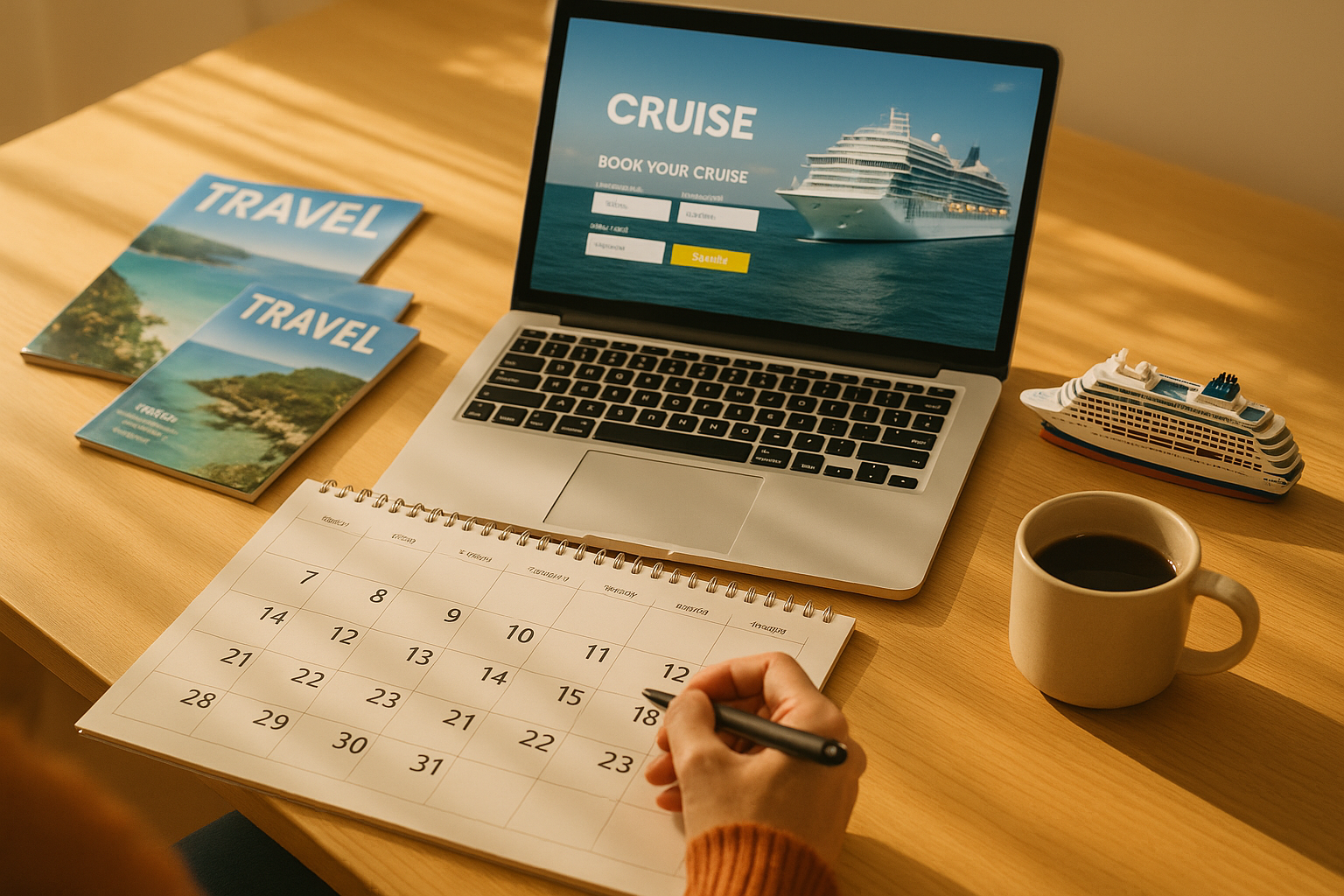
Yes — a cruise ship will sail without you if you are late back to port. Here is when it happens, the one exception that protects you, and how to avoid it.
Read guide On a closed-loop US cruise, kids can sail with a birth certificate instead of a passport — here is exactly what counts and when a passport is still smarter.
Read guide Most cruise lines require the booking guest to be 21 to sail without an older adult, though a few allow 18 on shorter or specific routes.
Read guide
Yes, cruise lines can remove passengers at the next port for serious rule-breaking like fighting, smuggling, or smoking in cabins, at your own cost.
Read guide On most cruise lines you can ask to adjust or remove auto-gratuities at guest services, but it reduces crew pay and the lines actively discourage it.
Read guide No. Cruise drink packages are sold per person and tied to your account, and most lines require all adults 21 and over in a cabin to buy one to prevent sharing.
Read guide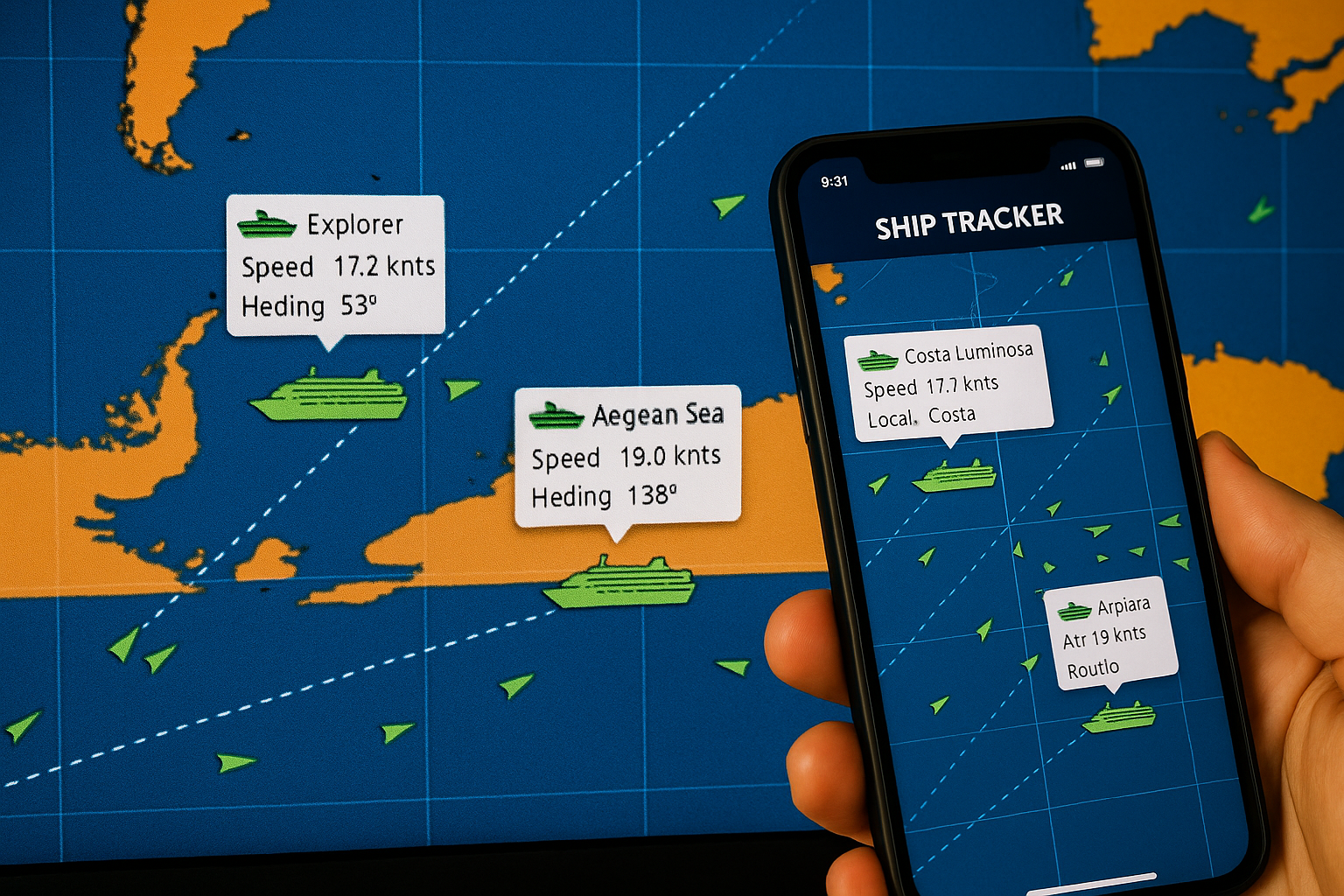
Yes, you can track almost any cruise ship live online for free. Here's how AIS broadcasting makes it possible and which tools show a ship's real-time position.
Read guide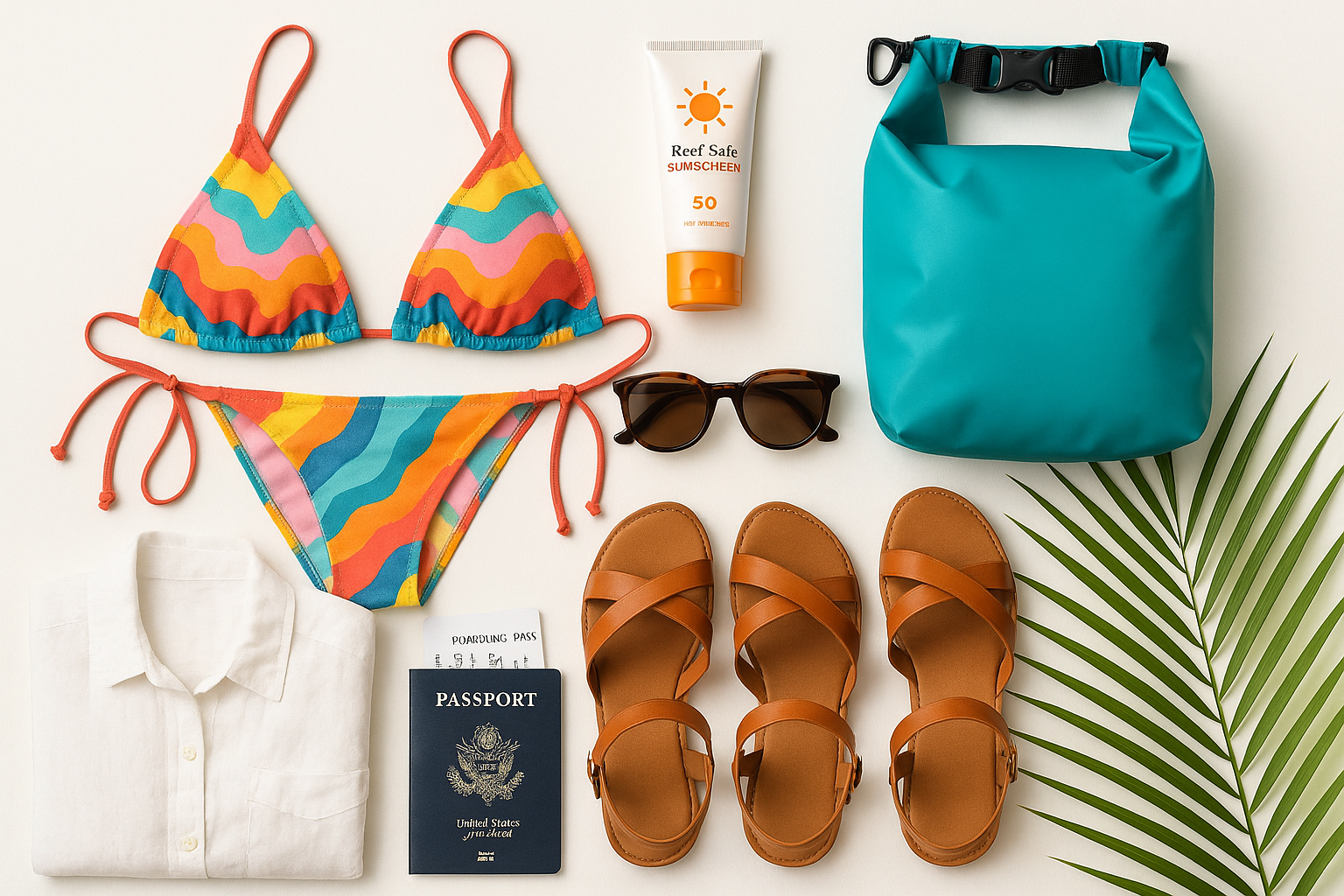
Jeans are fine by day and in casual cruise venues, but most main dining rooms discourage them on formal or elegant nights, so pack one dressier option.
Read guide Round-trip US Alaska cruises let you sail with a birth certificate and photo ID, but a passport is strongly recommended and required for one-way Canada sailings.
Read guide Closed-loop Bahamas cruises from a US port can accept a birth certificate and photo ID, but a passport is the safer and more flexible choice.
Read guide Caribbean cruise decks stay warm after dark, but the ship's air conditioning and dining rooms run cold, so a light layer is worth packing.
Read guide