Viking's New Ship Runs Partly on Hydrogen — Here's Why It Matters
Viking Astrea just launched at Fincantieri running partly on liquid hydrogen fuel cells. Here's what that means for cruisers and the clean-fuel push.
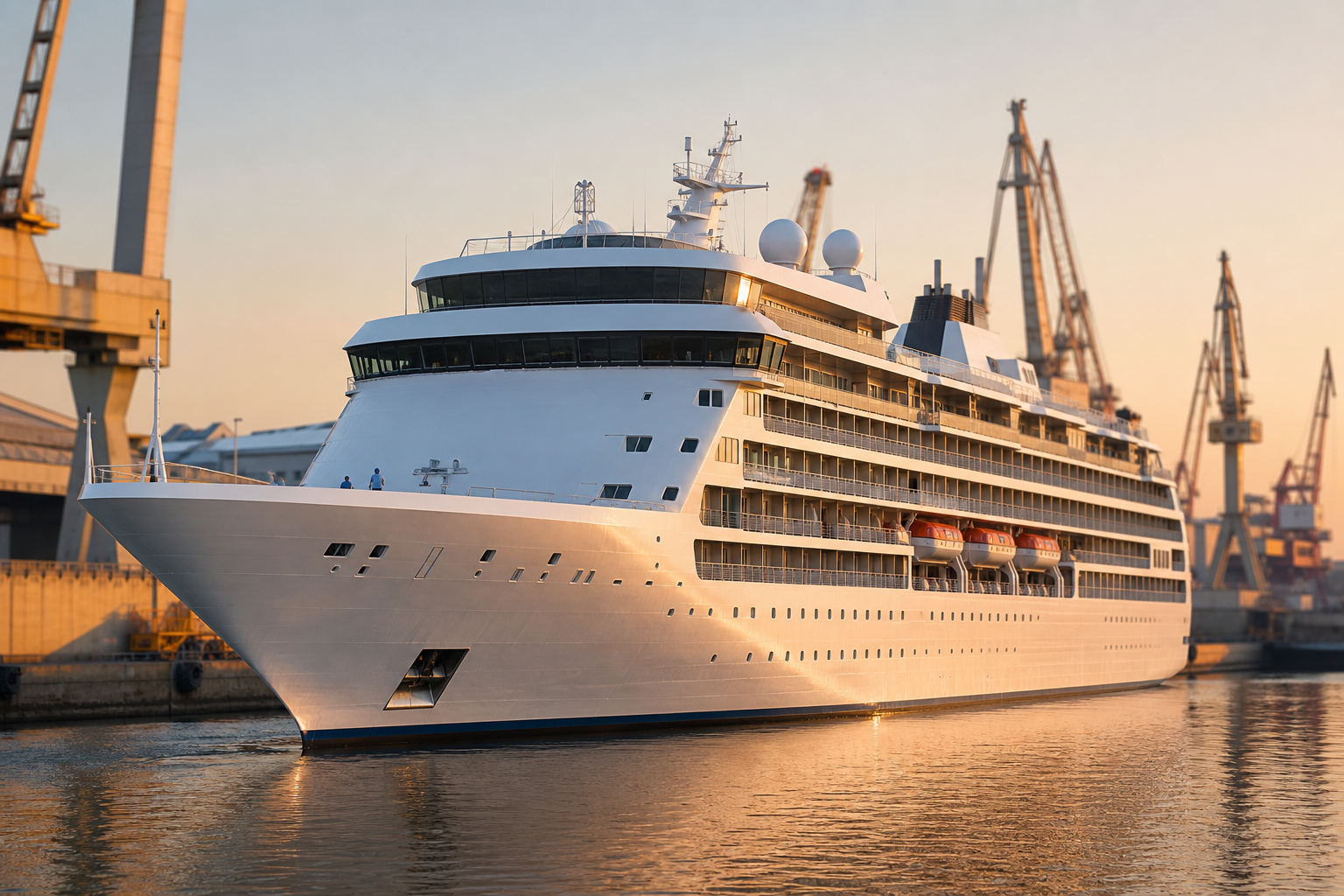
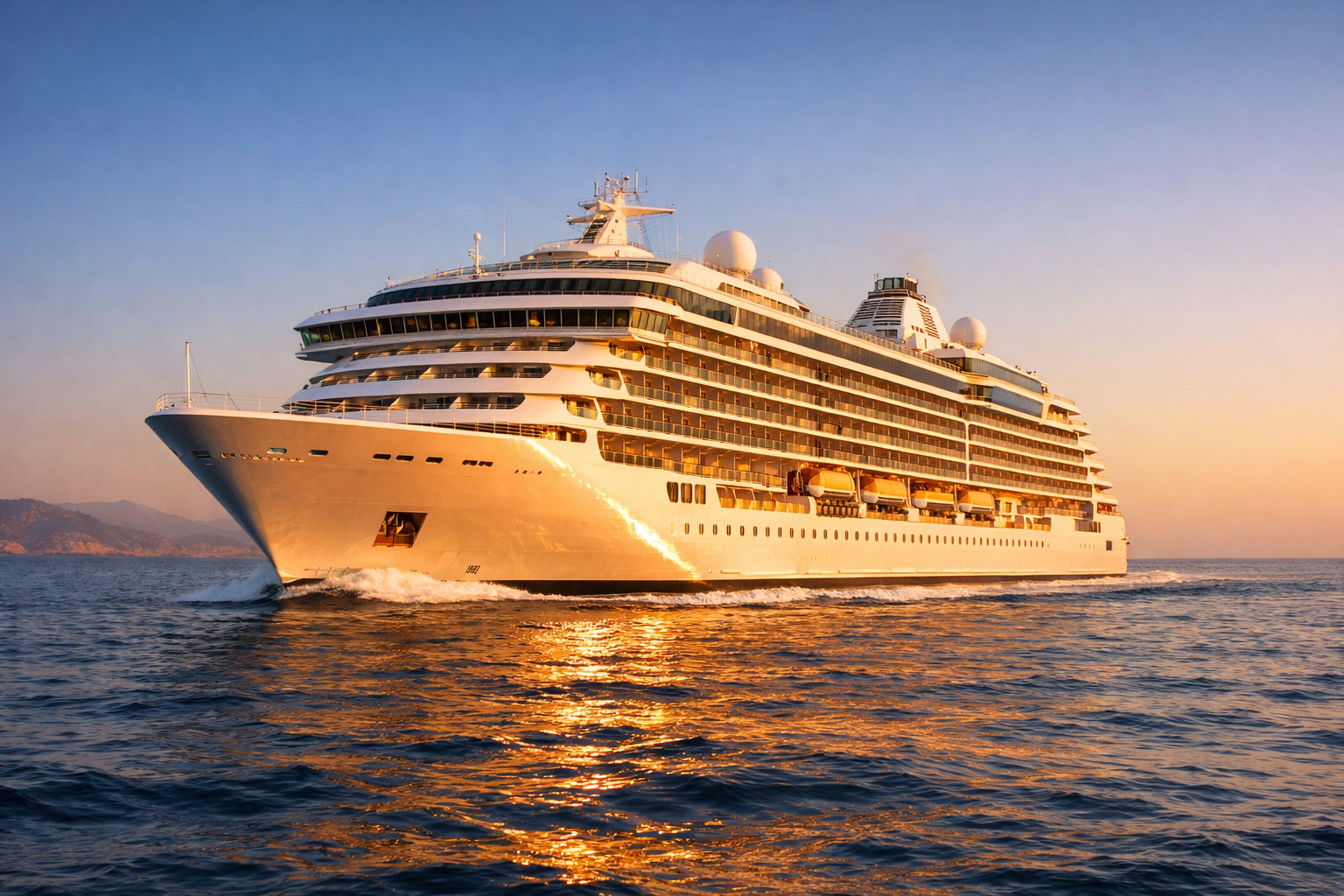
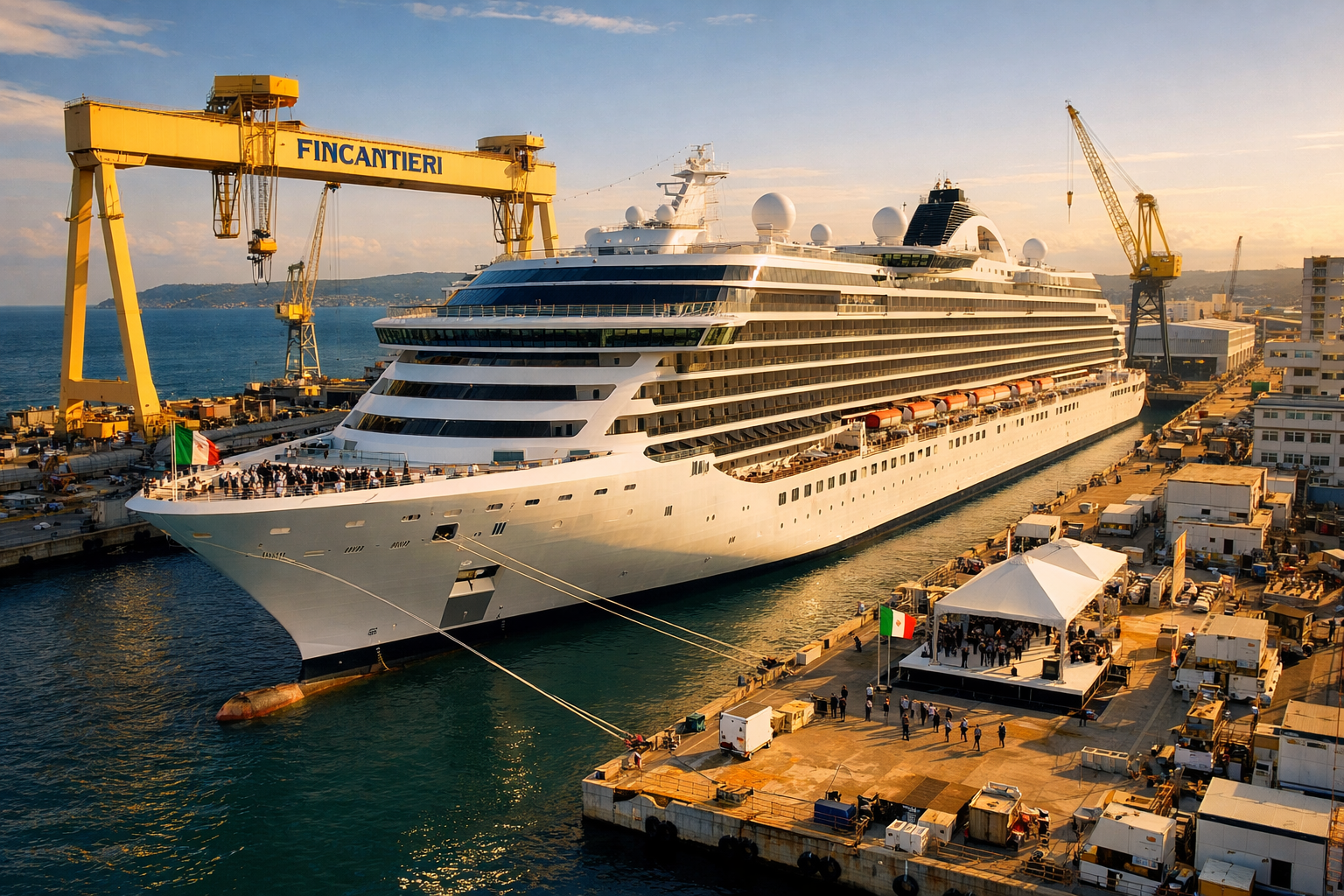
Viking just launched its newest ocean ship, the Viking Astrea, and it runs partly on liquid hydrogen and fuel cells — one of the first cruise ships in the world built to sail meaningful stretches without burning conventional fuel. The vessel touched water on September 11, 2026, at Fincantieri’s Ancona shipyard in Italy, and it’s scheduled to carry its first paying guests in June 2027. According to Cruise Industry News, the ship features “a propulsion system partially powered by liquid hydrogen and fuel cells” — the same technology Viking is rolling out across a new generation of its fleet.
If you follow cruise ship design at all, this is a genuinely big deal. So let’s unpack what actually launched, and why the fuel choice is the part worth paying attention to.
What the Viking Astrea actually is
The Astrea is a classic Viking ocean ship in size and scale — deliberately smaller than the mega-ships you’ll find at the big contemporary lines. Here are the numbers that matter:
| Spec | Viking Astrea |
|---|---|
| Gross tonnage | ~54,300 tons |
| Length | 239 meters |
| Guest capacity | Up to 998 |
| Cabins | 499 |
| Launched | September 11, 2026 |
| Maiden voyage | June 2027 |
For context, 998 guests is a fraction of what a 5,000-plus-passenger resort ship carries. That’s very much on-brand for Viking, whose whole pitch is smaller ships, no casinos, no kids, and a destination-first experience. The Astrea slots neatly into that formula.
The launch itself followed shipbuilding tradition: Francesca Baldinelli, a production control employee at the Ancona yard, served as godmother, with Fincantieri Ancona director Gilberto Tobaldi and Viking’s vice president of ship development and construction, Ghislain Lemarie, on hand.
The hydrogen part is the real headline
Plenty of new cruise ships launch every year. What sets the Astrea apart is the fuel.
Most of the industry’s recent “green” investment has gone toward liquefied natural gas (LNG), which burns cleaner than traditional marine fuel but is still a fossil fuel. Hydrogen fuel cells are a different animal entirely: when a fuel cell converts hydrogen to electricity, the only tailpipe byproduct is water. That means the Astrea can operate certain stretches — think sensitive fjords, ports, and protected coastlines — with effectively zero emissions at the point of use.
The Astrea isn’t Viking’s first swing at this. It follows the Viking Libra, which the line has called the world’s first hydrogen-powered cruise ship. Per Cruise Industry News, the Libra floated out at the same Ancona shipyard back in March 2026 and is due for delivery in November 2026. So the Astrea is essentially the second ship in a hydrogen-capable pair, which tells you Viking isn’t running a one-off science experiment — it’s building a repeatable design.
Why cruisers should care
We think the practical takeaway here is about where these ships can go, not just how clean they are on paper.
Zero-emission capability is exactly what’s needed to keep sailing into the places Viking guests actually book: Norwegian fjords, northern Europe, and other regions that are steadily tightening emissions rules for cruise ships. Several fjord zones have signaled they’ll require near-zero-emission operation within the next few years. A hydrogen-capable ship isn’t just a green talking point — it’s an insurance policy that keeps the best itineraries on the map as regulations get stricter.
There’s a realistic caveat worth stating plainly: the reporting describes the propulsion as partially hydrogen-powered. Fuel cells handle significant portions of operation rather than powering the entire voyage end to end, and hydrogen bunkering infrastructure at ports is still thin. This is an important step, not a finished revolution.
Still, for a mid-size line to put a second hydrogen-capable ship in the water within the same year is a real signal about where premium cruising is headed. When the Astrea sails its maiden voyage in June 2027, it won’t just be another new ship — it’ll be a preview of how the next decade of cruising gets cleaner without giving up the destinations that make it worth booking in the first place.
Source: Cruise Industry News, “Hydrogen-Powered Viking Astrea Launched at Fincantieri.”