When the Fuel Ran Low: Villa Vie's Cambodia Standoff
Villa Vie Odyssey asked 203 residents to leave the ship in Cambodia after fuel ran critically low. Here's what happened and why it matters for cruisers.
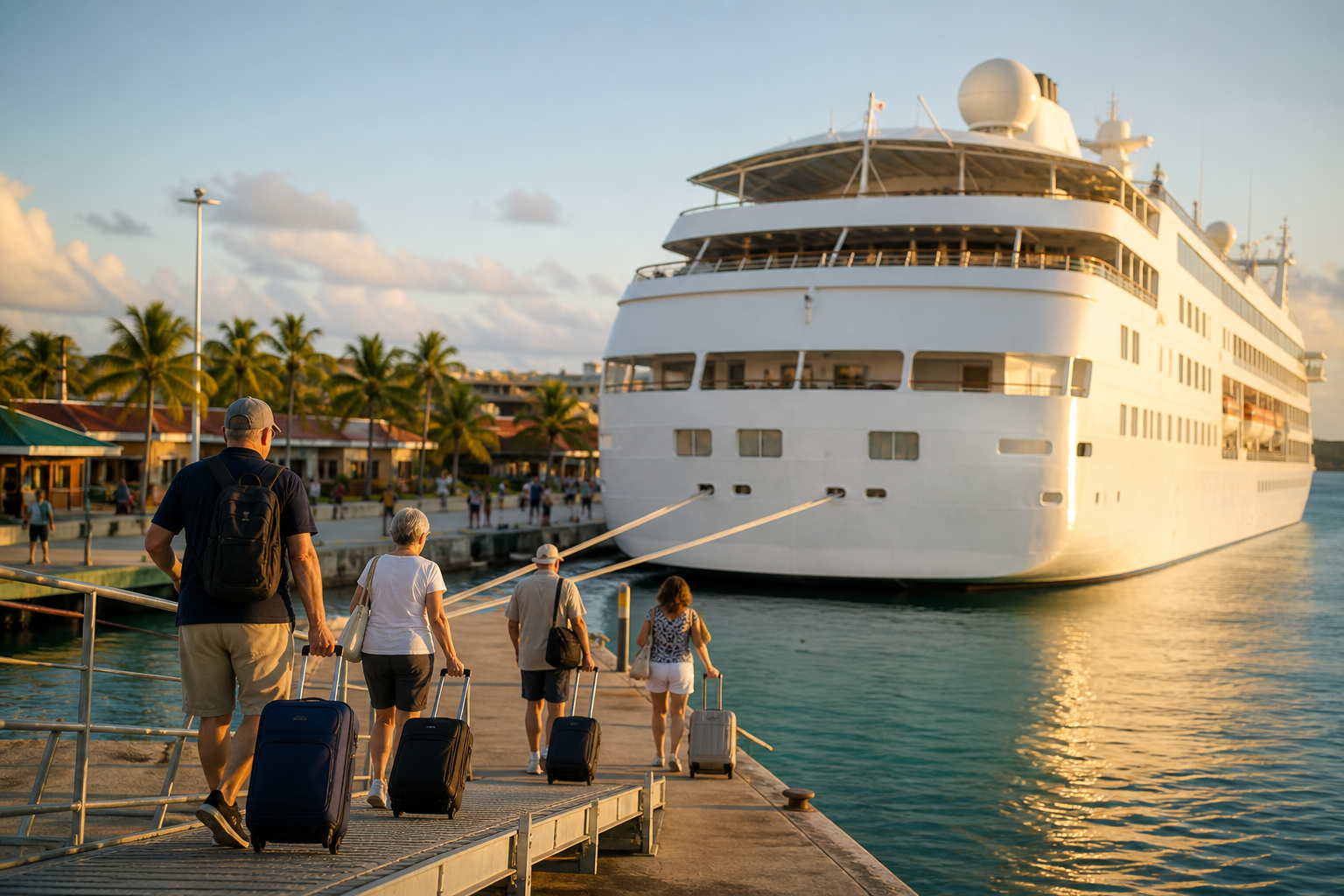
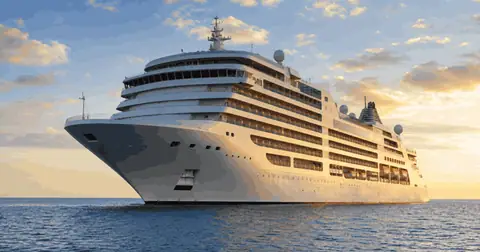
The residential cruise ship Villa Vie Odyssey asked all 203 of its residents to disembark in Sihanoukville, Cambodia, after the vessel’s fuel supply ran critically low, according to Cruise Industry News. With a fuel delivery undelivered, the ship had to shut down one generator and one chiller — enough to make daily life aboard uncomfortable — so the captain made the call to send everyone ashore. It is one of the more unusual disruptions we’ve seen in the cruise world this year, and it says a lot about the fragile economics underneath the “live at sea forever” dream.
Here’s the short version if you only read this far: a long-stay cruise ship couldn’t take on fuel on schedule, so its residents were given 36 hours to pack up and leave the ship temporarily, with departure now targeted for October 31. The company behind the vessel, Villa Vie Residences, says it plans to file for Chapter 11 bankruptcy.
What actually happened
The ship was docked in Sihanoukville when the situation came to a head. Captain Emanuele Giudice told the Cambodia China Times that the fuel situation had become critical, and that without a delivery the vessel had to power down a generator and a chiller. “So, we kindly asked the residents to get off the ship because our fuel situation was critical,” Giudice said, as reported by Cruise Industry News.
The original departure had been set for October 28 at 7 PM. That sailing was delayed, residents were given 36 hours’ notice to go ashore, and they were later allowed back aboard to collect belongings. As of the report, the ship was still waiting on fuel, with a new departure penciled in for October 31.
Giudice declined to say who was responsible for the fuel pricing, but he did note something telling: many residents had refused to pay a fuel surcharge, and that refusal contributed to the shortfall.
Why the money ran thin
This is where the story stops being a one-off logistics headache and starts looking structural. CEO Mikael Petterson told CBS that Villa Vie Residences plans to file for Chapter 11 bankruptcy, attributing the strain to fuel costs that rose sharply after the war with Iran began in late February 2026.
Residential cruising sells a seductive proposition — buy or lease a cabin, and the ship becomes your permanent, ever-moving home. But the model lives or dies on fixed-cost discipline, and fuel is the single most volatile line item a ship carries. When bunker prices spike, someone has to absorb the increase. A traditional cruise line spreads that across millions of short-stay guests and can quietly adjust fares. A residential operator is negotiating with the same few hundred people who already paid to be there — and, as this episode shows, those people can simply say no to a surcharge.
| Traditional cruise | Residential cruise (Villa Vie model) | |
|---|---|---|
| Who absorbs a fuel spike | Millions of rotating guests via fares | A few hundred fixed residents |
| Surcharge leverage | High — new bookings reprice constantly | Low — residents already paid in |
| Disruption fallback | Reroute, cancel, refund | Limited; the ship is the home |
| Cash cushion | Large parent companies | Thin, single-asset operators |
That table isn’t in the source reporting — it’s our read on why a 203-passenger ship ends up in a fuel standoff while a 5,000-berth megaship in the same region sails on without a hiccup. The vulnerability isn’t the ocean. It’s the balance sheet.
What this means if you’re eyeing residential cruising
We’re not here to tell anyone to abandon the dream of living at sea — it’s a genuinely appealing idea, and plenty of people have had a good run with it. But this episode is a useful stress test. A few things worth sitting with before you sign anything with any residential operator:
- Read the fuel-surcharge language carefully. If residents can opt out of a surcharge, ask what happens to the ship’s operations when enough of them do.
- Ask about cash reserves and contingency fuel. A single-ship company has no sister vessel to borrow against.
- Understand your rights if the operator files for bankruptcy. Chapter 11 is a reorganization, not necessarily an ending — but it changes who controls the asset you’ve been living on.
For now, the residents of the Villa Vie Odyssey are waiting dockside in Cambodia for fuel that, per the captain, should let the ship get moving again on October 31. We’ll be watching how the Chapter 11 filing reshapes the operation — and whether the “home at sea” model can survive its first real fuel shock.