Four Major Cruise Lines Could Owe $440 Million After Landmark Supreme Court Ruling
The Supreme Court ruled 8-1 that Carnival, Royal Caribbean, Norwegian, and MSC can be sued under the Helms-Burton Act over confiscated Cuban docks.
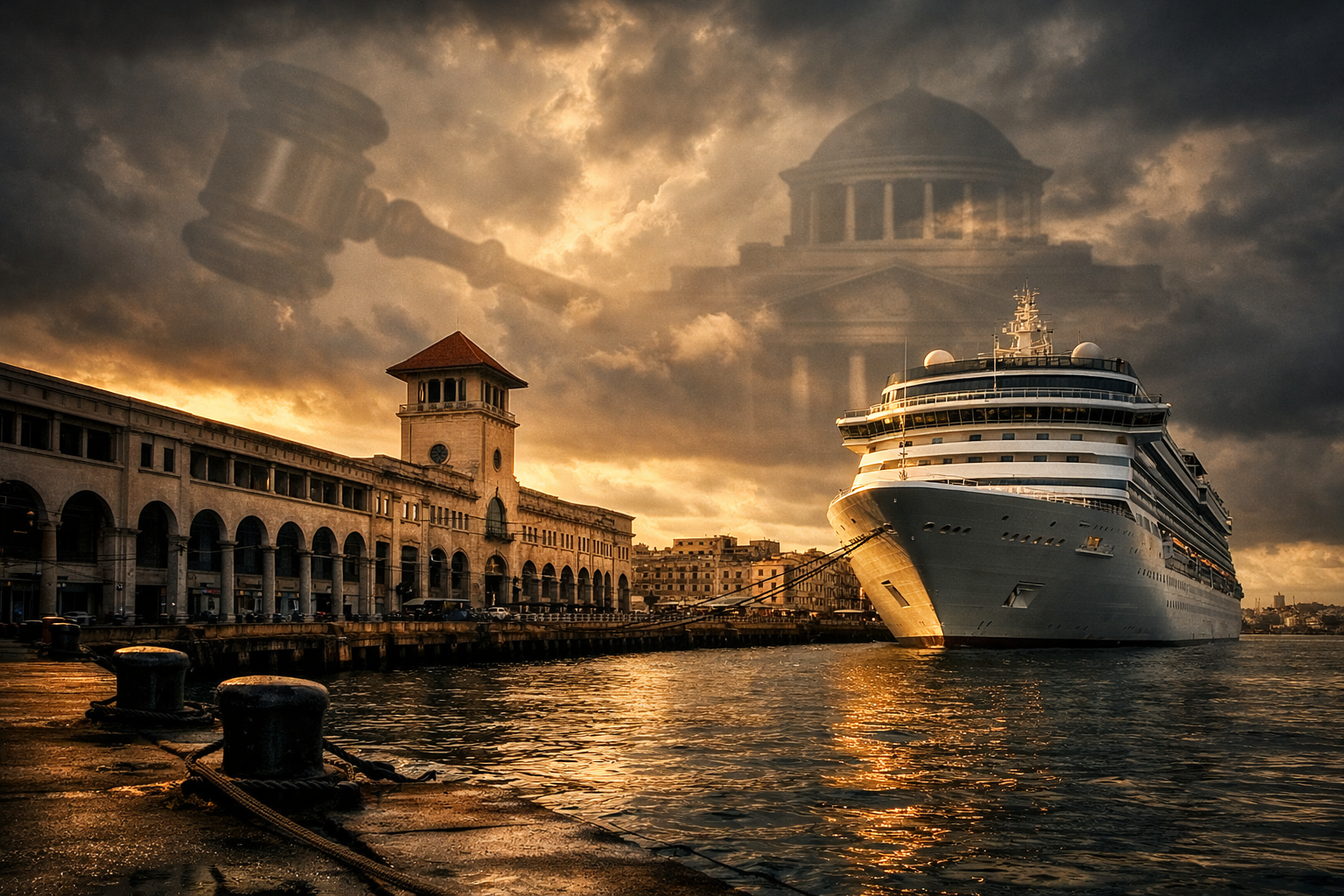
The U.S. Supreme Court handed down one of the most consequential legal decisions in cruise industry history on May 21, 2026 — and Carnival, Royal Caribbean, Norwegian, and MSC are now staring down a potential $440 million damages bill.
In an 8-1 ruling in Havana Docks Corporation v. Royal Caribbean Cruises, Ltd., the Court determined that the four cruise lines can be sued under the Cuban Liberty and Democratic Solidarity Act — commonly known as the Helms-Burton Act — for using a confiscated Cuban dock facility to land passengers between 2016 and 2019. The full details were reported by The Maritime Executive.
What Happened at the Havana Docks
This case stretches back to 1959, when Fidel Castro’s government forcibly seized American-owned properties across Cuba. Among those properties was the Havana cruise port terminal, which Havana Docks Corporation had held operating rights to since 1928 under a long-term concession.
When the Obama administration eased Cuba travel restrictions in 2016, the four cruise lines seized the opportunity and began sailing passengers to Havana. Nearly one million passengers were carried to Cuba and through those very docks before President Trump reimposed restrictions in June 2019. Havana Docks Corporation sued, arguing the cruise lines were “trafficking” in property confiscated from an American company — a violation of the Helms-Burton Act.
A federal district court in Miami agreed and awarded $440 million in damages. An appellate court reversed that ruling. The Supreme Court has now reversed the reversal, sending the case back to lower courts.
What the Court Actually Said
Justice Clarence Thomas, writing for an eight-justice majority, held that confiscated property becomes “tainted — off limits — such that anyone who uses” it can face liability to those with a claim to that property. The ruling does not itself award damages; rather, it confirms that Havana Docks has the legal standing to pursue the case further, and that the cruise lines have no blanket immunity under the Act.
Not every justice was entirely comfortable with the breadth of the decision. Justice Sonia Sotomayor, joined by Justice Brett Kavanaugh, wrote separately to caution against “unlimited recoveries” and what she described as potentially “infinite” liability from a “finite loss.” The sole dissenter, Justice Elena Kagan, argued that Havana Docks’ original concession was time-limited and set to expire in 2004 — well before the cruise lines began docking there — making the current claim legally tenuous.
Why This Matters Far Beyond Four Cruise Lines
The ruling’s implications extend well beyond the cruise industry. Dozens of other Helms-Burton Act suits are pending against major corporations — including Maersk, ExxonMobil, and Crowley Maritime — all of which were watching this case closely. The Supreme Court’s reasoning now sets a precedent that U.S. companies doing business with any confiscated Cuban property, even decades after the original seizure, can be held financially accountable to the original property holders.
For the cruise lines specifically, the financial exposure is significant. The original district court award of $440 million was calculated from a certified 1960 property value of just $9 million, inflated under the Helms-Burton Act’s treble damages provisions and other multipliers. When the case returns to the lower courts, that figure will once again be at the center of proceedings.
What Comes Next
The case now returns to federal court in Miami for further proceedings on damages and any remaining defenses the cruise lines may raise. All four operators — Carnival Corporation, Royal Caribbean Group, Norwegian Cruise Line Holdings, and MSC Cruises — will need to mount those defenses in light of a Supreme Court that just ruled, 8-1, against their core argument.
For passengers, nothing changes immediately. Cuba sailings have been suspended since 2019 and show no signs of resuming under the current political environment. But for the cruise industry’s legal and finance teams, May 21, 2026 is a date that will be scrutinized for years to come.
Related news
Ten Cruise Ships, 75,000 Guests: The Day PortMiami Made Maritime History
Carnival's Record Quarter Shows Cruise Demand Isn't Cooling
Royal Caribbean Wants to Build a Massive Ship Repair Yard in Panama — Here's Why It's a Big Deal