Princess Cruises Commits $2 Billion to Three Massive Ships That Won't Sail Until 2035
Princess Cruises ordered three 183,000-ton, LNG-powered Voyager Class ships from Fincantieri, each holding 4,700 guests, with the first arriving in 2035.
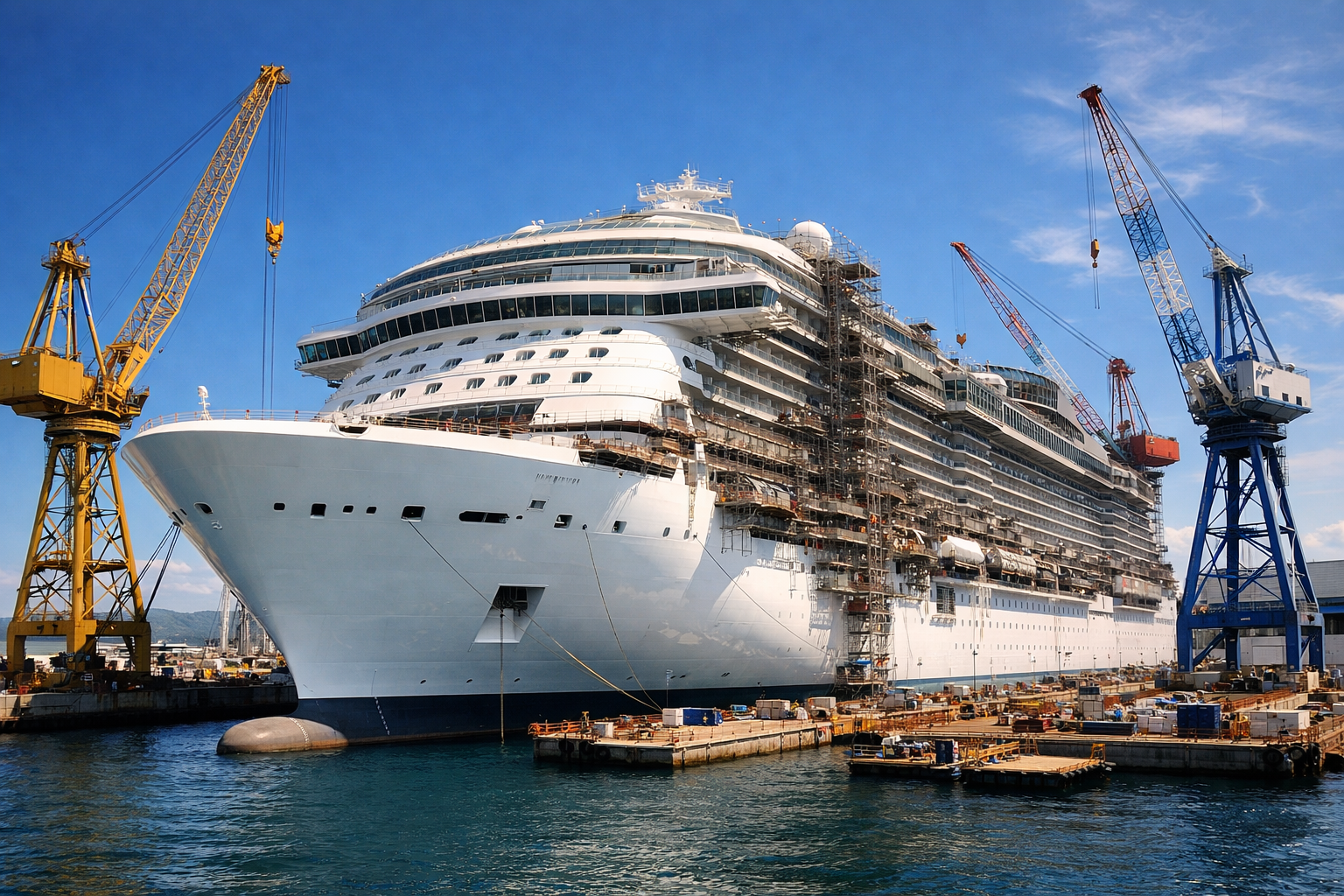
Three new ships. Three delivery dates spread across a decade. A price tag north of €2 billion. Princess Cruises made one of the boldest fleet investments in its history on April 15, 2026 — and the ships won’t welcome a single passenger until the second half of this decade’s next chapter.
According to the official press release published by Princess Cruises, the line has signed agreements with Italian shipbuilder Fincantieri to construct three vessels on a brand-new platform called the Voyager Class. Each ship will measure 183,000 gross tons and carry approximately 4,700 guests — making them the largest ships Princess has ever ordered. Delivery dates are slated for late 2035, 2038, and 2039.
In a cruise industry that loves instant gratification, this is a long game. And it tells us a lot about where Princess — and Carnival Corporation — see the market heading.
What the Voyager Class Actually Is
The new ships aren’t a blank-slate reinvention. Princess is building on the foundation of its Sphere Class — the platform that produced the acclaimed Sun Princess and Star Princess — while pushing the design significantly further.
According to the announcement, the Voyager Class will feature completely reimagined outer decks, staterooms, and Piazza designs. That last point is notable: the Piazza atrium is arguably Princess’s most iconic design signature, and the fact that it’s being “reimagined” rather than simply replicated suggests these ships will feel meaningfully different from their predecessors, not just bigger.
Each vessel will be dual-fuel powered, running primarily on Liquefied Natural Gas. This continues a pattern that Carnival Corporation has pursued aggressively across its portfolio — these three ships will become the 19th, 20th, and 21st LNG-based vessels in the corporation’s fleet. LNG isn’t a perfect long-term solution for decarbonization, but it delivers real and immediate reductions in greenhouse gas emissions and air pollutants compared to conventional heavy fuel oil.
What the Executive Language Tells Us
Princess President Gus Antorcha put it plainly: “The Voyager class will delight both our loyal guests and attract the next generation of Princess guests… we are leaving no area untouched as we thoughtfully evolve the Princess experience.”
That phrase — “attract the next generation of Princess guests” — is doing a lot of work. Princess has historically skewed toward an older, more experienced cruising demographic. The Sphere Class ships made meaningful moves to broaden that appeal with livelier spaces, a wider dining variety, and a design language that felt more contemporary. The Voyager Class appears to be doubling down on that evolution.
Fincantieri CEO Pierroberto Folgiero was equally direct, calling the order “very important” and noting it secures robust workload for their Monfalcone shipyard well into the next decade.
Why the Long Timeline Actually Makes Sense
A ship delivery in 2035 might sound like an abstraction. But in shipbuilding terms, it’s not that far away — and the lead time is largely unavoidable. Modern cruise ships of this size are extraordinarily complex engineering projects. Fincantieri’s yards are already committed through existing contracts across multiple cruise lines, and slotting three 183,000-gross-ton hulls into the production calendar requires years of advance planning.
There’s also a strategic dimension worth considering. Princess currently has seven additional new ships under contract for delivery between 2027 and 2033. The Voyager Class order effectively extends the fleet growth runway continuously through the end of the decade and into the 2040s. This isn’t a reaction to current market conditions — it’s a long-term bet that demand for premium cruising will continue its upward trajectory for at least the next fifteen years.
Given that the cruise industry hit 37.2 million passengers in 2025 and is projected to reach 50 million by the mid-2030s, that bet looks well-reasoned.
What This Means for Cruisers
If you’re planning a Princess voyage in the next few years, the Voyager Class isn’t relevant to your booking calendar — but it matters in a different way. Fleet investment at this scale signals a brand that’s growing with confidence, not coasting. The pipeline of new ships means Princess won’t be relying on aging hardware to carry its reputation, and the design evolution underway gives the line a clear product arc to communicate to travel agents and repeat guests.
For those with longer horizons — or those who enjoy tracking where the industry is headed — the Voyager Class represents a tangible vision of what mass-market premium cruising will look like in the late 2030s. Bigger, cleaner-burning, and built to pull in travelers who haven’t yet set foot on a cruise ship.
Princess has essentially written a €2 billion letter to its future guests. The reply window opens in 2035.
Source: Princess Cruises Announces Voyager Class Order — PR Newswire, April 15, 2026
Related news
Viking's Newest Ship Has Left the Shipyard — Here's What to Know About Viking Mira
59 Years After It Pioneered the Route, Princess Just Sent Its Biggest Ship Through the Panama Canal
Explora Journeys Is Building Six Luxury Ships at Once, and the Pace Is Staggering