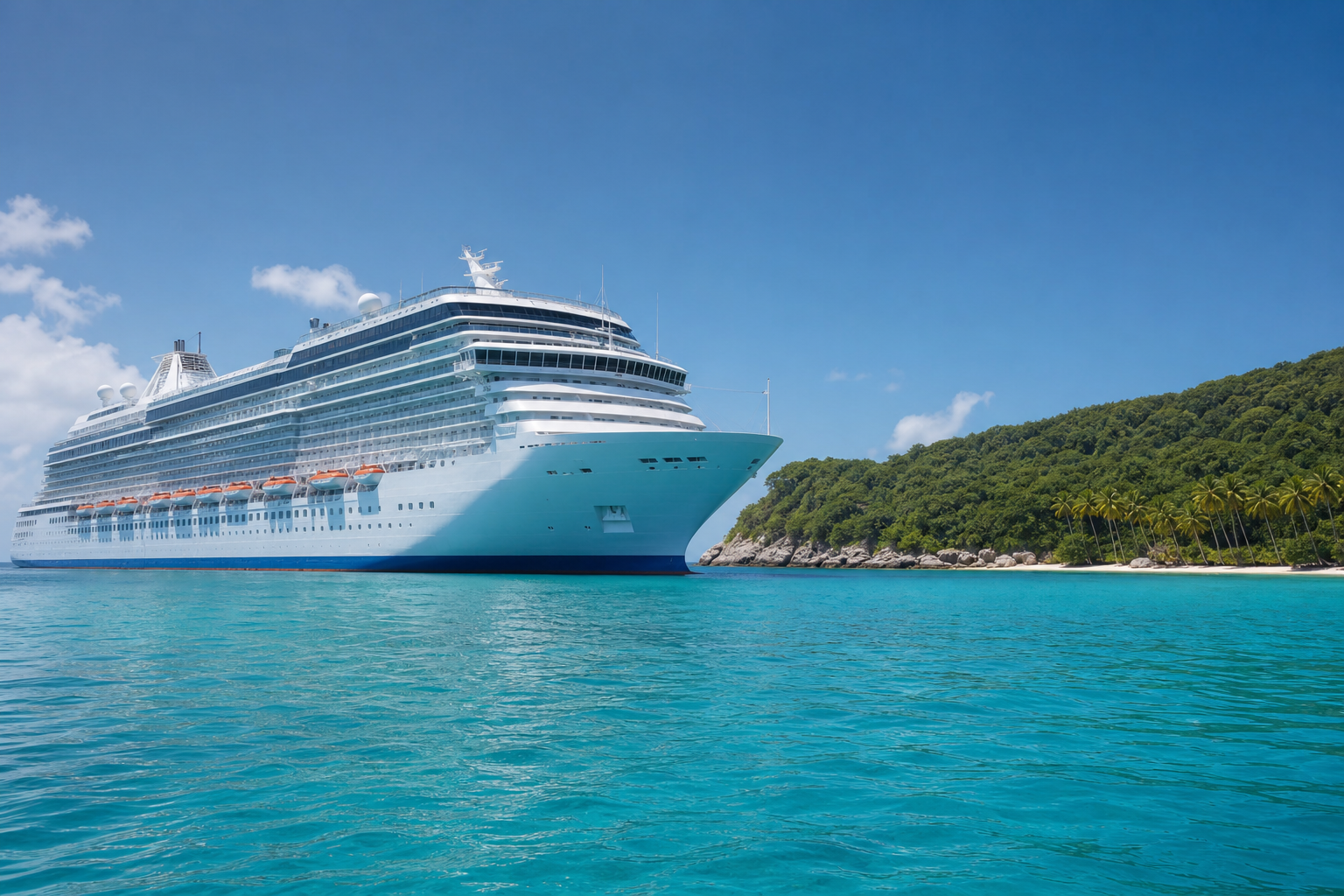
A $600 Million Cruise Dream Just Hit a Wall — Mexico Officially Kills Perfect Day Mexico
Mexico has rejected Royal Caribbean's $600 million Perfect Day Mexico at Mahahual over threats to the Mesoamerican Reef, mangroves, and nesting sea turtles.
Royal Caribbean’s most ambitious private destination project is officially dead — at least in its current form. On May 19, 2026, Mexican Environment Minister Alicia Barcena announced that the government would not approve the Perfect Day Mexico development at Mahahual, delivering a dramatic and very public end to what was supposed to be the cruise industry’s boldest new shore destination.
“It is not going to be approved,” Barcena stated plainly at a press conference, adding that Royal Caribbean was already taking steps to withdraw the project. The announcement came just one day after Mexican President Claudia Sheinbaum had previewed the government’s position at her own press conference in Mexico City, saying: “We must not do anything that affects that area, which has a very important ecological balance, and is particularly important for the reefs.”
According to reporting from KFGO and wire services, the rejection comes after months of mounting pressure from environmental groups, local communities, and the public at large.
What Was Perfect Day Mexico?
Perfect Day Mexico was planned as a 90-hectare (222-acre) private cruise destination on Mexico’s Caribbean coast in Mahahual — the small beach town that also serves as the Costa Maya cruise port. The project was marketed by Royal Caribbean with its characteristic boldness: “biggest, baddest, boldest destination,” the line called it, promising beach clubs, pools, bars, and more than 30 waterslides.
Royal Caribbean had invested $292 million to acquire the port and surrounding land, with an additional $529 million allocated for construction — a total commitment of roughly $600 million. A soft opening had been planned for Q4 2027, with a full rollout throughout 2028.
Why Mexico Said No
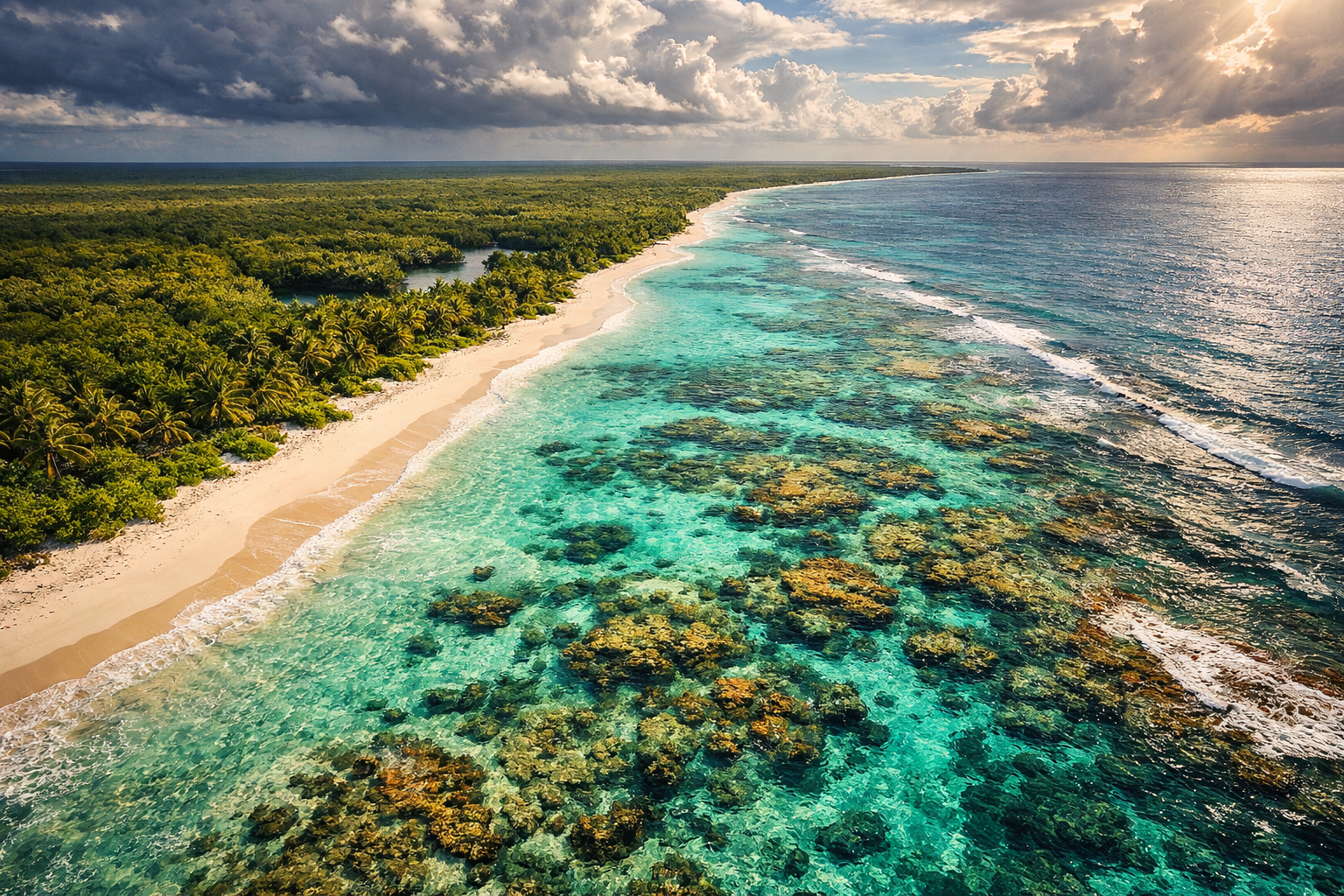
The core objection was environmental. Mahahual sits on the edge of the Mesoamerican Reef — the largest coral reef system in the Western Hemisphere. Environmentalists and regulators pointed to several specific threats posed by the development:
- Protected mangroves that were to be built over or displaced
- Nesting sea turtles that depend on the undisturbed coastline
- Jaguar habitats in the adjacent tropical jungle
- Expanded cruise traffic and its cascading effects on the fragile marine ecosystem
Greenpeace had previously warned of a “crucial juncture” for the region. A Change.org petition opposing the project launched in July 2025 and collected over 4 million signatures by the time the rejection was announced — an extraordinary level of public opposition for a single tourism development.
A Setback Years in the Making
This was not a sudden reversal. The project had faced turbulence throughout its development. Construction was paused at least once due to unresolved environmental permitting, and Royal Caribbean CEO Michael Bayley was still assuring investors as recently as April 30, 2026 — during the Q1 earnings call — that the company had government support and that “any concerns of a delay related to environmental paperwork have been taken care of.”
Clearly, that turned out not to be the case.
Royal Caribbean responded to the rejection by expressing regret while indicating it would respect Mexico’s environmental authorities and remain optimistic about future investment in the country, including discussions about job creation and environmental infrastructure. That’s diplomatic language for a company that just watched a $600 million bet come undone.
What This Means for Cruisers
For anyone who had already booked sailings that were scheduled to call at Perfect Day Mexico in late 2027 or 2028, expect communication from Royal Caribbean in the coming weeks about itinerary adjustments. Costa Maya — the existing cruise port at Mahahual — will remain an active port of call, so ships won’t be losing the destination entirely, they’ll just be calling at the standard public port rather than a private Royal Caribbean-branded beach club.
The broader implications are harder to predict. Royal Caribbean has staked a significant portion of its growth strategy on private destinations — Perfect Day at CocoCay, Royal Beach Club Paradise Island, Royal Beach Club Cozumel, and the Vanuatu beach club planned for 2027 are all part of the same playbook. The Mexico rejection is a reminder that these projects, however well-financed, are not immune to the political and environmental realities of the host countries.
A Pattern Worth Watching
This is not the cruise industry’s first collision with environmental regulation at a major development site — and it almost certainly won’t be the last. As cruise lines race to build exclusive branded shore experiences that maximize revenue per guest and reduce dependence on third-party ports, they’re increasingly building in sensitive coastal ecosystems. That creates a structural tension that the Mexico decision puts in sharp relief.
Whether this changes how Royal Caribbean and its competitors approach future private destination proposals — or whether it’s treated as a one-off setback in a country with a particular government — will be worth watching closely over the next few years.
For now, one of the industry’s most anticipated new destinations is off the table. The $600 million dream hit a wall, and the reef won.
Source: KFGO / AP Wire — “Mexico rejects Royal Caribbean’s ‘Perfect Day’ water park on Caribbean coast”
Related news
Less Than a Month Open, Royal Caribbean Already Changed the Menu at Its New Beach Club
Geopolitics Comes for Your Cruise: Royal Caribbean Cancels Spectrum of the Seas Sailings Over China-Japan Tensions
A Pioneering General Will Christen Legend of the Seas