Oceania Cruises Quietly Handed Travel Advisors a Big Pay Raise — Here's How
Oceania Cruises is eliminating non-commissionable fares on all newly launched 2028 sailings, so travel advisors will earn commission on the full cruise fare.
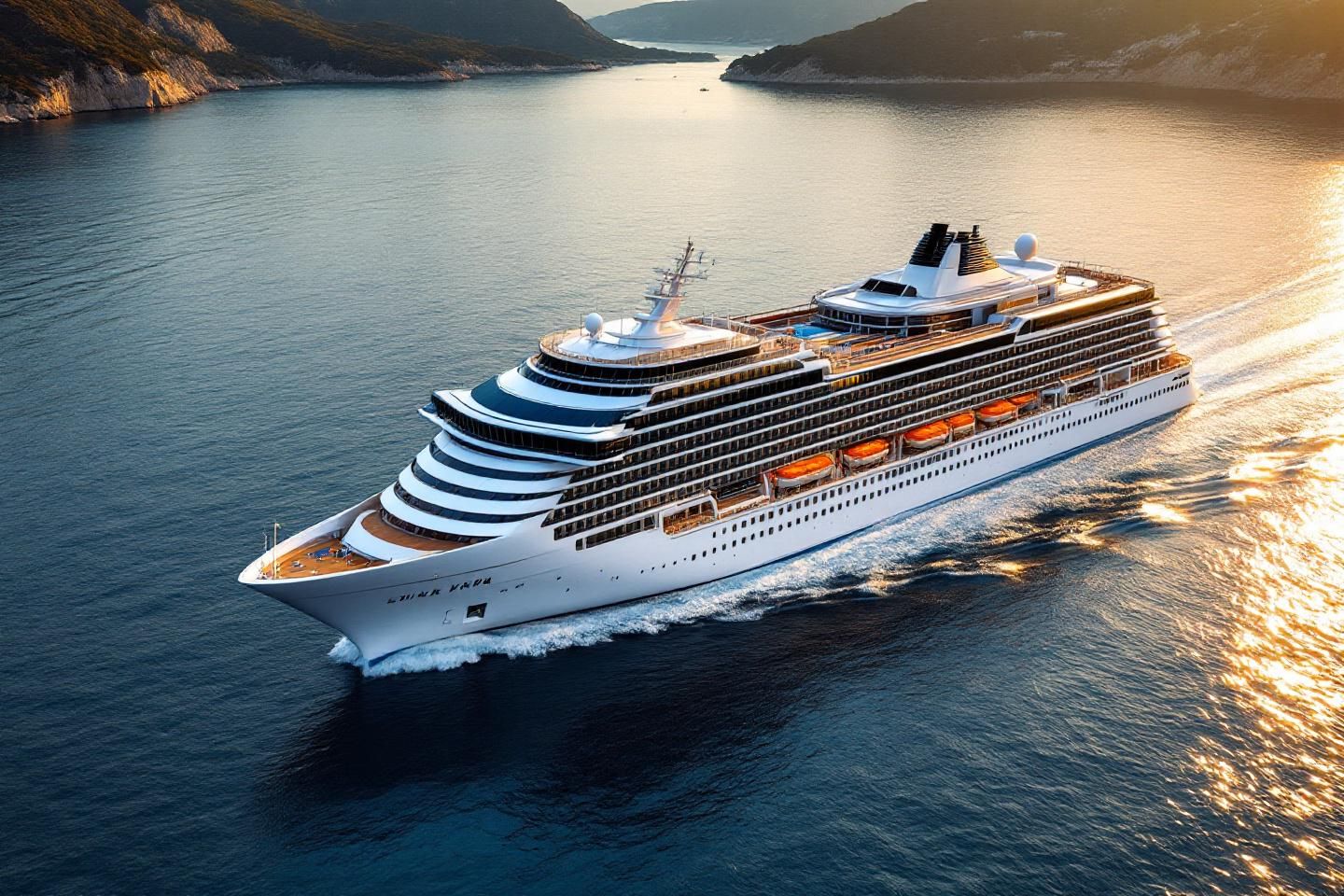
If you book your cruises through a travel advisor — or if you are a travel advisor — Oceania Cruises just made a move that deserves your full attention. As of May 6, 2026, the luxury cruise line announced it is permanently eliminating non-commissionable cruise fares (NCFs) across all newly launched sailings, beginning with the Summer 2028 and Winter 2028-2029 seasons, plus its 2028 and 2029 Around the World voyages.
The announcement, first reported by Open Jaw, is being framed by Oceania as a permanent structural change — not a promotional incentive, not a limited-time sweetener. Advisors who sell these sailings will earn commission on the full cruise fare, full stop.
What NCFs Are and Why They Matter
For readers unfamiliar with the industry mechanics, non-commissionable cruise fares are a portion of the ticket price on which cruise lines do not pay travel advisor commissions. In practice, this means an advisor selling a $5,000 cruise might only earn commission on, say, $3,800 of that fare — the rest is classified as NCF and excluded from their earnings.
It’s a practice that has frustrated the travel advisor community for years. Advisors do the work of marketing, booking, and servicing the client — but a slice of every sale has historically been carved out before their commission is even calculated.
Oceania’s decision to eliminate NCFs entirely means that when a new 2028 sailing goes on sale, the published commission rate applies to the complete fare. Guest-facing pricing stays the same. The only thing that changes is how much of that price flows back to the advisors who sold it.
”When Our Advisors Succeed, Oceania Succeeds”
Oceania’s Chief Sales Officer Nathan Hickman didn’t mince words about the motivation behind the change.
“Travel advisors are central to Oceania Cruises’ growth strategy — today and long into the future,” Hickman said in announcing the policy. “When our advisors succeed, Oceania Cruises succeeds — and that philosophy will continue to guide how we invest in our partnerships.”
That’s not just corporate boilerplate. Oceania’s business model is heavily reliant on the travel advisor channel. The line’s guests tend to be experienced cruisers booking premium, longer itineraries — exactly the type of sophisticated purchase where a knowledgeable advisor adds genuine value. Keeping those advisors engaged and financially motivated to recommend Oceania over competitors is a real strategic priority.
Following NCL’s Lead — and Joining Good Company
This move makes Oceania the second brand within the Norwegian Cruise Line Holdings family to eliminate NCFs, following Norwegian Cruise Line, which made the same structural change last year. Both brands now sit alongside a small but growing group of lines that have gone commission-transparent on full fares, including Viking (which pioneered the approach back in 2010), American Queen Voyages, and Virgin Voyages.
That’s noteworthy company. Viking built its reputation in part on advisor-friendly policies, and its advisor relationships are widely regarded as among the strongest in the industry. Oceania is clearly looking at that model and drawing the right conclusions.
The fact that the change is being rolled out under the NCLH umbrella also hints at something broader: a parent-company philosophy shift toward cleaning up compensation structures and betting more heavily on the advisor channel as a growth engine.
What This Means If You Use a Travel Advisor
For cruisers who rely on travel advisors to plan their voyages, this change matters in a practical sense. Travel advisors work on commission, and commission levels directly influence which products they have a financial incentive to recommend. When a cruise line’s NCFs eat into those commissions, it creates — even subtly — a bias toward recommending other lines where the math works out better.
By making Oceania more financially rewarding to sell, the line is essentially making itself easier to recommend. An advisor who was previously splitting their attention between Oceania and a competitor with cleaner commission terms now has one less reason to look elsewhere.
For travelers, that increased advisor enthusiasm translates into more proactive recommendations, more creative itinerary matching, and ideally more advisors who know Oceania’s product deeply enough to match the right guests to the right voyages.
A Broader Industry Signal
The NCF conversation has been simmering in the cruise industry for years. Critics of the practice argue that it obscures true compensation, undermines advisor trust, and creates friction in what should be a clean distribution partnership. Supporters have historically defended NCFs as a necessary pricing mechanism.
But the tide appears to be shifting. As lines compete more aggressively for advisor mindshare — and as luxury cruise demand continues to grow — the calculus is changing. Eliminating NCFs is increasingly being seen not as a generous concession, but as table stakes for lines that want to be taken seriously by the advisor community.
Oceania’s move, coming on the heels of NCL’s own NCF elimination, suggests that NCLH is making a deliberate group-wide bet on the advisor channel. If Regent Seven Seas Cruises — the third NCLH brand and the company’s ultra-luxury flagship — follows suit, it would mark a complete transformation of how the parent company compensates its most important distribution partners.
The Timeline
The new policy applies to newly launched sailings going on sale through May and June 2026, covering the 2028 Summer, 2028-2029 Winter, and 2028-2029 Around the World seasons. Sailings already on the books under the previous structure are not retroactively affected — this is a forward-looking change, applied to new inventory as it comes to market.
For advisors who have been watching this space, the message is clear: if you’ve been on the fence about deepening your Oceania expertise, 2028 is shaping up to be a very good year to sell it.
Related news
Carnival's Record Quarter Shows Cruise Demand Isn't Cooling
Oceania Marina Is Getting a Stem-to-Stern Makeover This Fall

Oceania Cruises Went Adults-Only — and Now They're Making It Their Whole Identity