A Deadly Virus Struck a Cruise Ship in the Middle of the Ocean — Here's What Passengers Faced
Hantavirus struck the MV Hondius expedition ship mid-voyage, killing three. All 18 American passengers returned to the U.S. on May 12 for a 42-day monitoring period.
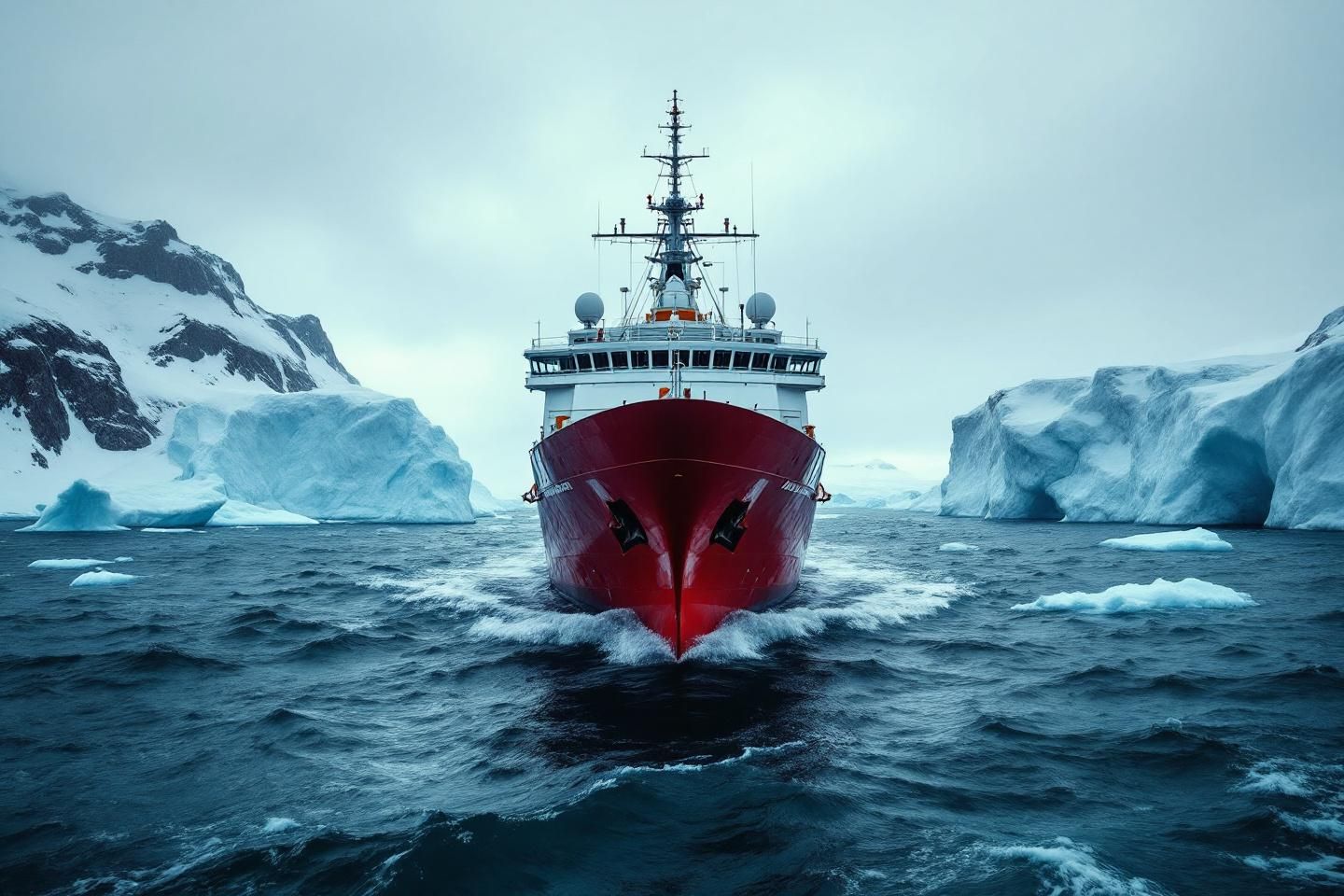
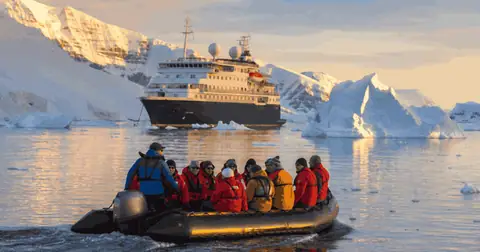
The voyage began on April 1, 2026, with around 150 passengers and crew aboard the MV Hondius, a Dutch-flagged expedition ship operated by Oceanwide Expeditions. The itinerary was the kind that draws serious adventurers: departing Ushuaia, Argentina, threading through Antarctica, then arcing north through the South Atlantic via the Falklands, South Georgia, Tristan da Cunha, St. Helena, Ascension Island, and Cape Verde before heading home to Rotterdam.
It would become one of the most alarming public health incidents ever to unfold at sea.
What Happened Onboard
Eleven days into the voyage, on April 11, a Dutch passenger died at sea. His body was offloaded at St. Helena. Days later, his wife — who had continued traveling — died in a hospital in Johannesburg, South Africa. A third passenger would also die before the ship reached port. By the time the MV Hondius docked in Tenerife, Spain on May 10, the World Health Organization had confirmed seven cases of hantavirus — specifically the Andes variant — with two additional probable cases still awaiting lab results. Two of the three deaths are confirmed to have been caused by hantavirus; the first death is classified as probable due to the absence of testing at the time.
The ship had been carrying 147 individuals when it departed for Tenerife on May 6, after Spanish health authorities approved its arrival in the Canary Islands. Additional medical resources were sent aboard to assist.
The Return Home for American Passengers
All 18 American passengers arrived back in the United States on May 12. Their ages ranged from their late 20s to their early 80s, coming from California, New York, New Hampshire, North Carolina, Oregon, Utah, and Washington. Sixteen were transported to the Nebraska Biocontainment Unit at the University of Nebraska Medical Center in Omaha. Two were sent to Emory University Hospital in Atlanta, one of them in biocontainment.
Dr. Angela Hewlett, medical director of the Nebraska Biocontainment Unit, described the facility for those who are well as feeling “more like a hotel than a patient care space.” One passenger, Jake Rosmarin, posted from quarantine that he was feeling well and appreciated the support.
All passengers and crew face a mandatory 42-day monitoring period. Asymptomatic individuals may be able to isolate at home if proper support systems are in place.
What Is Hantavirus — and Should Cruise Travelers Be Concerned?
The Andes virus is a strain of hantavirus found in South America, primarily associated with rodents in the region. Officials from the U.S. Department of Health and Human Services were clear in their messaging: “The risk of hantavirus to the general public remains very, very low. The Andes variant of this virus does not spread easily, and it requires prolonged close contact with someone who is already symptomatic.”
That’s an important distinction from respiratory illnesses that have historically spread rapidly aboard ships. This is not an airborne pathogen transmitted by coughing in a buffet line. The WHO is currently investigating the precise origin of the outbreak, with particular focus on a bird-watching excursion in southern Argentina that the first passenger who died had attended before boarding.
Passengers from France, Spain, Britain, Switzerland, and Germany were also evacuated and placed under monitoring protocols in their respective countries, with quarantine periods ranging from 45 to 72 days.
Why This Matters for the Expedition Cruise World
The MV Hondius incident is a sobering reminder that expedition cruising — the fastest-growing segment of the cruise industry — carries a genuinely different risk profile than mainstream ocean cruising. These voyages visit some of the most remote places on Earth, far from trauma centers and infectious disease specialists. The closest hospital can be days away. Evacuation logistics are extraordinarily complex.
That does not mean expedition cruising is reckless. The response by Oceanwide Expeditions, coordinating with the WHO, CDC, and health ministries across multiple countries, reflects a level of preparedness that exists precisely because operators in this space know the environments they work in. The fact that the ship safely carried its remaining passengers to Tenerife — and that repatriation flights were coordinated across six countries — speaks to years of contingency planning.
But travelers considering an expedition cruise to Antarctica, the Arctic, or other remote destinations should understand what “remote” actually means when something goes wrong. Medical screenings, pre-departure health assessments, and travel insurance covering medical evacuation are not optional extras in this segment. They are fundamental to responsible expedition travel.
We will continue to follow this story as the WHO investigation into the outbreak’s origin continues.
Source: American passengers from hantavirus-hit cruise ship arrive back in the U.S. — NBC News