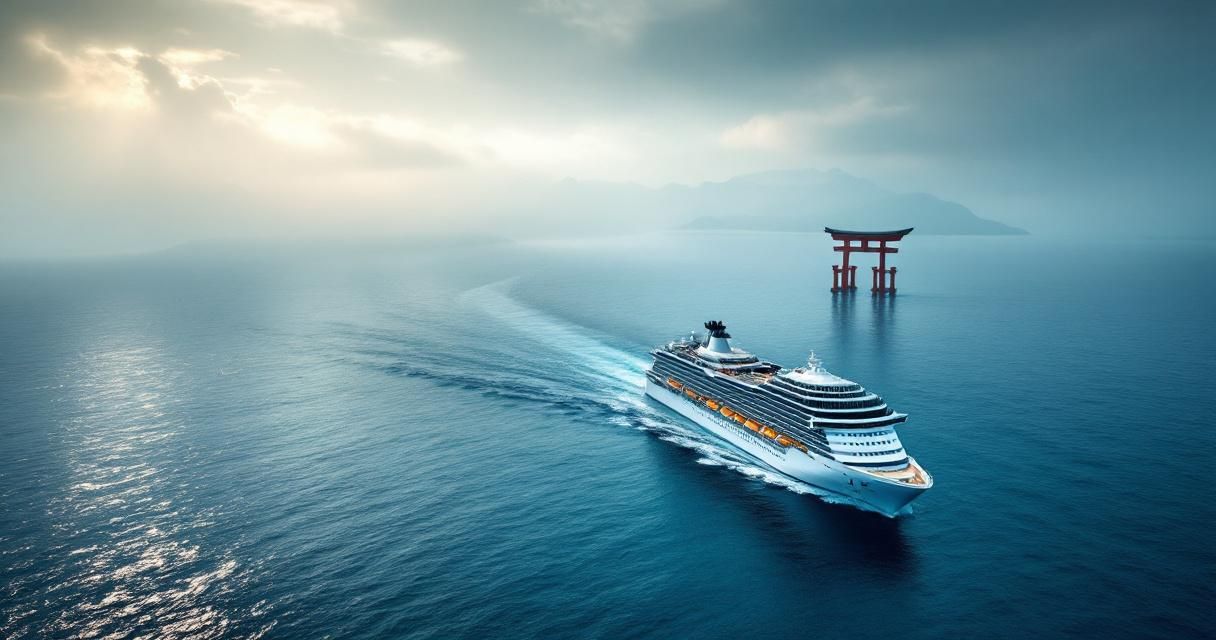
A Landslide Changed Alaska Forever — and Holland America's 2026 Cruisers Are Feeling It Now
Holland America pulled Tracy Arm Fjord from all 2026 Alaska cruises after a landslide triggered a tsunami in the waterway. What the switch to Endicott Arm means.
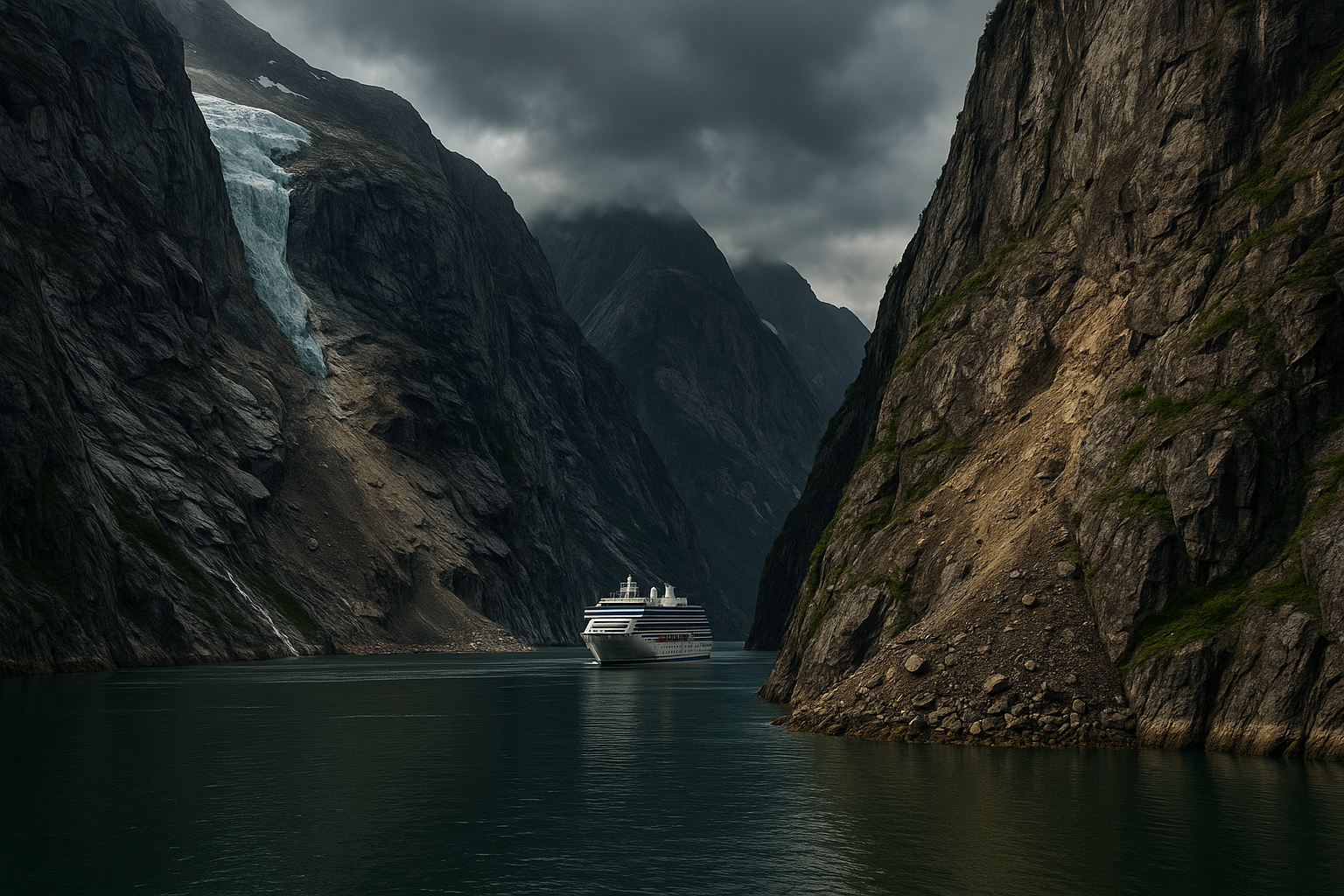
Alaska has always demanded respect. But what happened in Tracy Arm Fjord last summer was a stark reminder that even the most iconic cruise destinations can be altered in a matter of seconds — and that the ripple effects reach far beyond the ice.
Holland America Line announced on March 18, 2026 that it is removing Tracy Arm Fjord from all of its 2026 Alaska cruise itineraries, citing “unstable ice and geological conditions” that prevent safe vessel entry. Every sailing scheduled to include the narrow fjord — departures aboard Koningsdam, Noordam, Zaandam, and Eurodam throughout the summer season — will instead route through nearby Endicott Arm to view Dawes Glacier.
For passengers who booked specifically to see the twin Sawyer Glaciers, it’s a significant change. Here’s what you need to know.
What Happened in Tracy Arm?
The story starts in August 2025, when a massive landslide above South Sawyer Glacier sent millions of cubic feet of rock and debris crashing into the fjord. The force of the impact triggered a localized tsunami within the confined waterway — the U.S. Geological Survey reported wave runup reaching at least 100 feet at Sawyer Island. That’s not a rounding error. That’s a wall of water surging up a rock face roughly as tall as a 10-story building.
For context, Tracy Arm is one of the most dramatic fjords on the planet. It’s narrow, deep, and flanked by sheer granite walls that rise thousands of feet from the waterline. The very features that make it extraordinary — the tight corridor, the towering cliffs, the active glaciers calving into the water — also make it unforgiving when geological forces decide to move. The landslide fundamentally changed the risk profile of the waterway, and Holland America’s decision to pull all 2026 sailings reflects just how seriously the cruise industry is taking the ongoing instability.
What Is the Replacement?
Passengers booked on affected sailings won’t simply lose their glacier experience — they’ll be rerouted to Endicott Arm, a neighboring fjord within the same Southeast Alaska wilderness region. The focal point of that alternative is Dawes Glacier, a tidewater glacier that, by all accounts, offers equally dramatic scenery.
Holland America has updated its itinerary marketing to reflect the change, now branding the experience as “Tracy Arm Fjord or Endicott Arm Fjord & Glacier Explorer” — essentially acknowledging that the two are interchangeable for itinerary purposes, even if loyal Tracy Arm fans may disagree.
There is one meaningful practical difference worth knowing before you book or rebook: exploring Endicott Arm and Dawes Glacier up close typically requires boarding a catamaran tender, which accesses the glacier via a marine ramp. That ramp is steep and does not offer wheelchair accessibility. Holland America classifies the activity as moderate difficulty, compared to the easier accessibility of the Tracy Arm scenic cruising experience. If mobility is a concern for anyone in your travel party, that’s a detail worth flagging with your travel advisor now rather than discovering at the dock in Juneau.
Why This Matters Beyond One Cruise Season
It’s easy to read this as a routine itinerary adjustment — the kind of fine print that cruise lines quietly update every season. But the underlying story is worth sitting with for a moment.
Tracy Arm Fjord has been one of the crown jewels of Alaska cruise itineraries for decades. It’s the kind of destination that shows up in every “must-do Alaska cruise experiences” list, the place people specifically request when choosing between similar sailings. The idea that a single geological event could close it to ship traffic for an entire season — possibly longer — is a genuine reminder that the glacial landscape of Southeast Alaska is alive and changing, sometimes violently.
Climate researchers have been documenting accelerated glacial retreat and increased slope instability across Alaska for years. As glaciers thin and retreat, the valley walls they once supported are destabilized, making events like the August 2025 landslide more probable. This isn’t the first time an Alaskan geological event has reshaped a cruise itinerary, and it almost certainly won’t be the last.
For cruise lines, it raises real long-term questions about itinerary planning in the region. For passengers, it’s a prompt to think differently about what an Alaska sailing actually is: not a fixed tour of permanent landmarks, but an encounter with one of the most dynamic landscapes on Earth.
What Should Affected Passengers Do?
If you’re booked on a Holland America Alaska sailing in 2026 that included Tracy Arm, a few practical steps are worth taking right now:
Confirm your updated itinerary. Holland America began notifying affected passengers after the March 18 announcement. Check your booking portal or contact your travel advisor to confirm exactly what your revised sailing looks like.
Revisit your shore excursions. If you had booked a Tracy Arm-specific excursion or a Sawyer Glacier catamaran tour, verify whether those bookings have been automatically updated or cancelled. New options for Endicott Arm and Dawes Glacier should now be available.
Check accessibility details. As noted above, the Dawes Glacier catamaran experience involves a steep marine ramp and is rated moderate. If that’s a concern, speak with your cruise line or travel advisor about alternative Juneau-area experiences.
Manage expectations — and keep an open mind. Endicott Arm is genuinely spectacular. Dawes Glacier is a world-class tidewater glacier. The scenery won’t disappoint. It’s simply different from what you originally signed up for — and in a year when “different” means “a fjord not recently reshaped by a tsunami,” that may actually be the better option.
The Bigger Picture
What Holland America is doing here is exactly what responsible cruise operations look like in practice. They’re not waiting for conditions to improve, and they’re not downplaying the risks. When the U.S. Geological Survey documents 100-foot tsunami wave runup in a fjord that cruise ships regularly sail through, pulling that destination until conditions are certified safe is the right call.
Alaska will remain the centerpiece of North American expedition cruising for years to come. Tracy Arm Fjord may well return to itineraries once the geology stabilizes and the waterway is assessed as safe. But for the 2026 season, the mountains have spoken — and the cruise industry is listening.
Related news
Disney's New CEO Walked Into His First Day on the Job and Dropped a Bombshell About the Cruise Fleet
Carnival Canceled 11 Sailings Out of Long Beach — And the Reason Tells You Everything About Where the Ship Is Headed
Nearly 90 Sickened as Norovirus Sweeps Through Holland America Cruise Ship