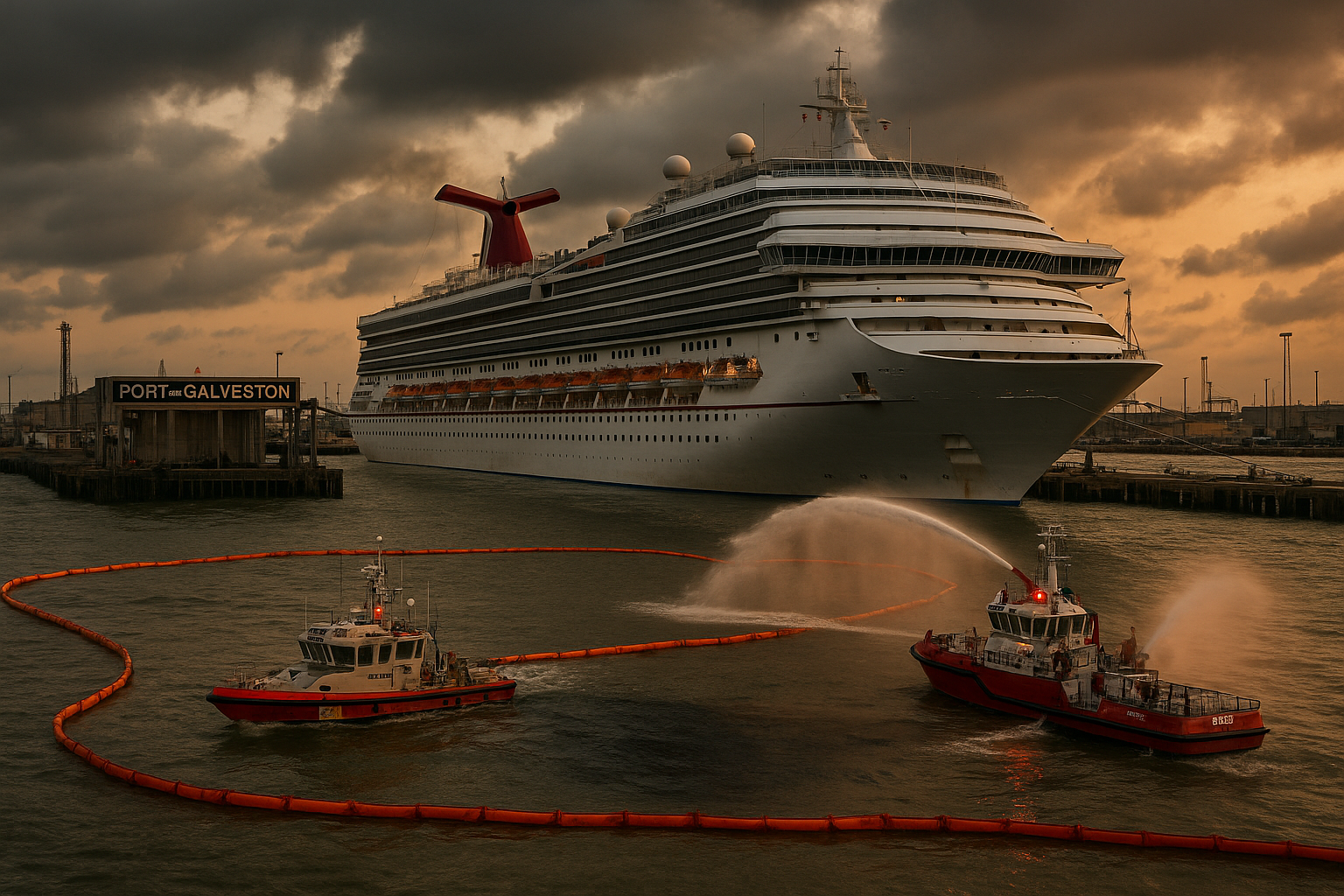
America's Fourth-Biggest Cruise Port Has a $2.4 Billion Plan — and It Changes Everything for Texas Cruisers
The Port of Galveston just unveiled a sweeping 20-year master plan projecting 5 million annual passengers and $344M in revenue by 2045. Here's what it means for you.
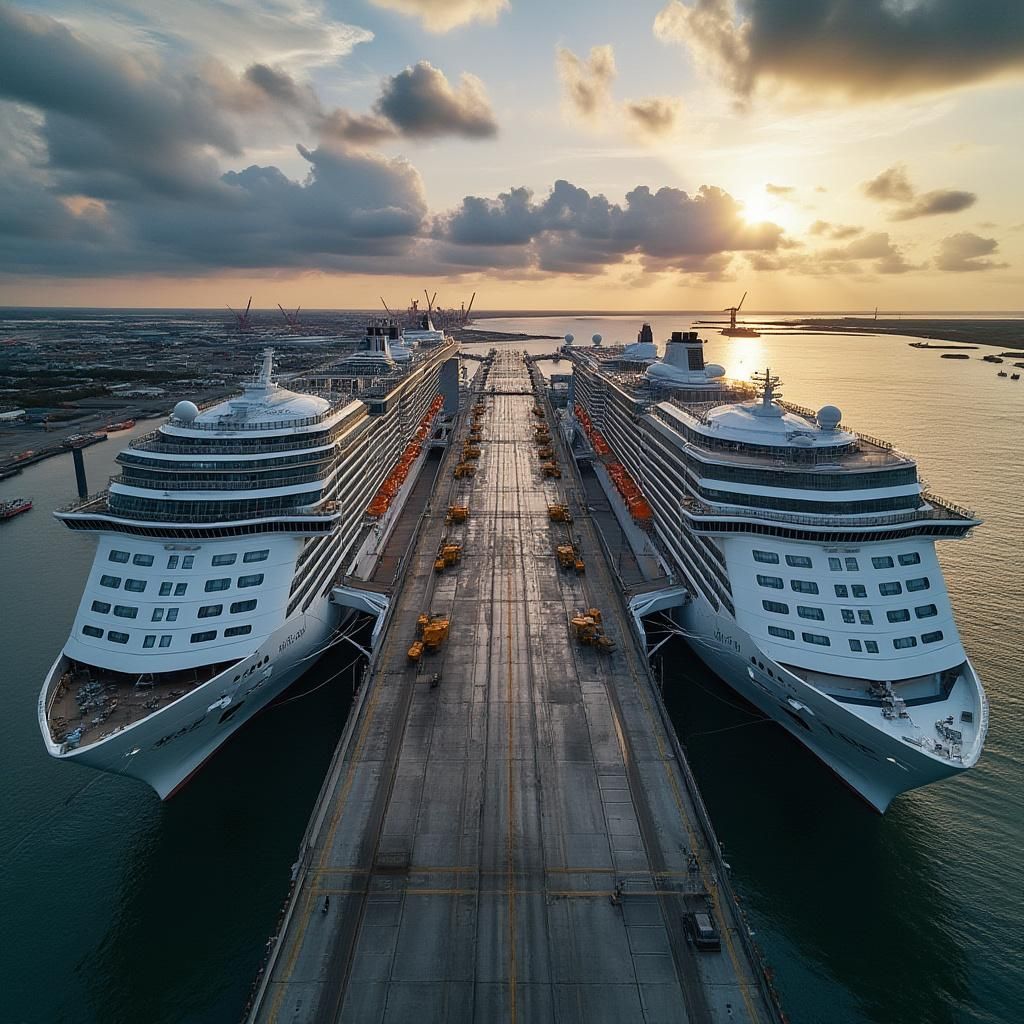
If you regularly cruise out of Galveston, the Port of Galveston just quietly dropped one of the most consequential announcements in its nearly 200-year history. On March 25, the Galveston Wharves held a public open house at Cruise Terminal 16 to unveil its freshly adopted 20-Year Strategic Master Plan — a $2.4 billion blueprint that could transform the Texas coast’s cruise hub into one of the most formidable embarkation ports in North America.
The numbers are genuinely striking. As Cruise Industry News reported, the port projects its annual cruise passenger count will nearly triple — from roughly 3.9 million passengers in 2026 to 5 million by 2045. Annual revenue is projected to climb from $87.3 million today to $344 million over the same period. That is not incremental growth. That is a fundamental reimagining of what this port can become.
What the Plan Actually Envisions
The master plan, adopted unanimously by the Galveston Wharves Board of Trustees in February 2026, was developed over a year of market research, industry forecasting, and community input. Miami-based consulting firm Bermello Ajamil & Partners — the same firm behind the port’s 2019 plan — led the redesign.
The headline development is a major mixed-use commercial zone on the port’s eastern end. The vision includes three new hotels, roughly 600,000 square feet of retail space, a public boardwalk, new parks, and pedestrian connections linking the cruise terminals to Galveston’s commercial waterfront and downtown. Multi-level parking garages would replace the sprawling surface lots that currently eat up valuable waterfront real estate.
On the cruise infrastructure side, the plan calls for two additional cruise terminals — bringing the total to six — plus the conversion of an existing terminal into a flexible “flex berth” capable of handling both cruise ships and cargo. For context, Galveston currently operates four cruise terminals on an 840-acre port. This expansion would meaningfully increase its capacity to host larger, newer vessels simultaneously.
Port Director Rodger Rees pointed to the early completion of the fourth terminal as a catalyst for the revised ambitions. He noted that the terminal was “completed about six years ahead of schedule,” prompting the board to accelerate its long-range thinking. When your infrastructure outpaces your plan, you update the plan.
Why Galveston Is Worth Paying Attention To
It’s easy to overlook Galveston when the conversation turns to major US cruise ports. Miami dominates the headlines, Port Canaveral serves Disney and the Central Florida market, and New York grabs attention for its urban homeport appeal. But Galveston occupies a genuinely unique position in the American cruise landscape.
The port sits 45 minutes from open seas, making it operationally efficient for ships. It serves as the primary cruise gateway for the entire Texas market — one of the fastest-growing population centers in the country — as well as much of the broader South-Central United States including Oklahoma, Arkansas, Louisiana, and beyond. For the roughly 30 million people within driving distance, Galveston is the closest and most logical port of embarkation.
Right now it ranks as the fourth-largest cruise home port in the US. The master plan is a clear signal that port leadership intends to close the gap with the ports above it.
What It Means for Cruise Passengers
In the immediate term, not much changes. The open house on March 25 was a public input session, not a groundbreaking. The plan lays out a 20-year roadmap — meaning the full vision unfolds gradually over decades, not months.
But the directional signals matter for cruisers who book out of Galveston today. More terminals means more ships can homeport simultaneously, which tends to translate into more itinerary options, more competitive pricing, and less congestion on turnaround days. The mixed-use development around the port could also meaningfully improve the pre- and post-cruise experience in Galveston itself, a city that has historically been more of a pass-through than a destination for embarking passengers.
Cruise lines watch port infrastructure plans closely when making deployment decisions. A port signaling this level of investment and capacity growth is a port actively competing to attract the next generation of mega-ships. For passengers, that competition tends to work in their favor.
The Broader Port Buildout Happening Right Now
Galveston’s announcement is part of a broader wave of American port investment happening across the country. From the outer harbor development in Los Angeles to record seasons in Tampa, New Orleans, and Norfolk, US cruise ports are spending heavily to keep pace with a cruise industry that keeps ordering larger and larger ships. The infrastructure race is real, and ports that fall behind risk losing homeport assignments to rivals.
Galveston’s 20-year plan puts the city squarely on the right side of that dynamic. Whether the full $2.4 billion vision comes to fruition exactly as drawn will depend on market conditions, cruise line partnerships, and city cooperation over many years. But the ambition itself is a meaningful statement — from a port that is very clearly done being an afterthought in the national conversation.
For Texas cruisers who have long dealt with the constraints of a port that was built for a smaller industry, that statement is long overdue.
Related news
Barcelona Just Capped Cruise Ship Capacity—Here's What It Means for Your Mediterranean Cruise
Iceland's $18-Per-Day Tax Just Triggered a 50% Collapse in Cruise Bookings—And Rural Towns Are Paying the Price
Port Everglades Just Smashed Its Own Passenger Record—And Three MASSIVE Ships Are About to Make It Even Busier