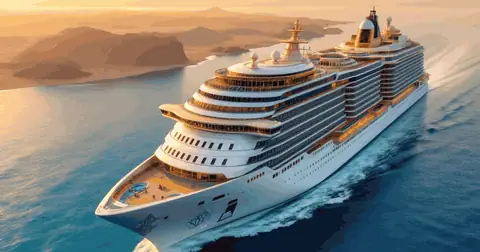
Six Cruise Ships Are Stranded in the Arabian Gulf With No Way Out
Six cruise ships from MSC, TUI, Celestyal, and Aroya are stuck in the Arabian Gulf after the Strait of Hormuz closed, leaving thousands aboard in limbo.
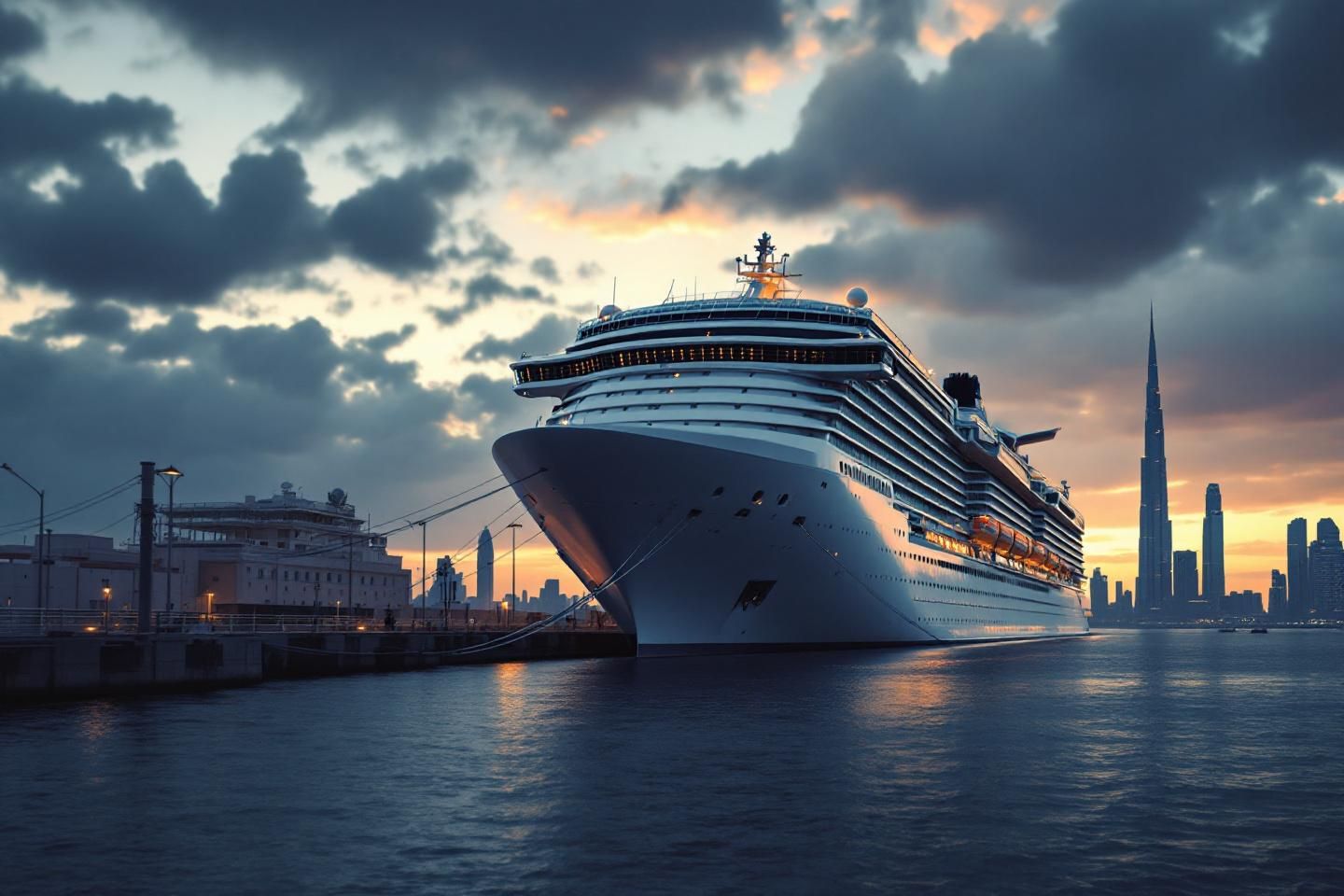
When passengers booked their Middle East cruise vacations for early 2026, they were expecting desert skylines, souks, and warm Gulf waters. What they got instead was an indefinite stay at port — docked in Dubai, Abu Dhabi, or Doha with nowhere to go, as the Strait of Hormuz closed around them.
Six cruise ships are currently stranded in the Arabian Gulf, unable to exit the region due to the ongoing Strait of Hormuz crisis. According to Cruise Industry News, the vessels have been effectively immobilized since late February 2026, when maritime traffic through the narrow waterway fell from dozens of daily transits to near zero following escalating military conflict in the region.
Which Ships Are Affected
The stranded fleet spans four cruise lines and represents a combined passenger capacity of roughly 15,000 berths:
- MSC Euribia (MSC Cruises) — docked in Dubai
- Celestyal Journey (Celestyal Cruises) — docked in Doha
- Celestyal Discovery (Celestyal Cruises) — docked in Dubai
- Mein Schiff 4 (TUI Cruises) — docked in Abu Dhabi
- Mein Schiff 5 (TUI Cruises) — docked in Doha
- Aroya (Aroya Cruises) — docked in Dubai
These are not small expedition vessels. MSC Euribia alone can carry 5,400 passengers. The scale of the disruption — six ships, multiple cruise lines, thousands of crew members — makes this one of the most significant operational crises the industry has faced in years.
Why the Strait of Hormuz Matters So Much
The Strait of Hormuz is the only maritime exit point for vessels operating inside the Arabian Gulf. It is a narrow chokepoint — roughly 21 miles wide at its narrowest — that handles an estimated 20 percent of global oil and gas flows. For cruise ships, there is no alternative route out. If the strait is closed, the ships stay put.
That is the situation right now. The United Nations has warned that approximately 20,000 seafarers, including thousands of cruise passengers, are stranded in Gulf waters. War-risk insurance for vessels attempting passage has been effectively withdrawn by underwriters, which means even if a captain wanted to attempt the transit, the commercial and liability consequences make it nearly impossible.
What Passengers and Crew Are Experiencing
The impact on passengers varies by ship and sailing date. Celestyal Journey passengers were reportedly able to disembark earlier this month as the situation developed, though the ship itself remains docked. On vessels where guests are still aboard, cruise lines have responded with modified daily programming, extended port stays, and complimentary entertainment to manage what amounts to an indefinitely extended vacation in a port city.
For guests who booked specific itineraries — many of whom paid a premium to visit destinations like Oman, Qatar, or the UAE as part of a larger voyage — the reality is that portions of their trip simply will not happen. Cruise lines are offering complimentary flight changes and future cruise credits in accordance with their individual policies.
The Downstream Ripple for Future Sailings
The ships being stuck now is only part of the story. Each vessel had a summer season planned elsewhere. MSC Euribia, for example, was scheduled to begin a Northern Europe season on May 2, 2026 — that timeline is now in jeopardy, with the restart date pushed back. The Celestyal ships were both due to reposition to the Mediterranean in early April for the Greek island season. TUI Cruises had repositioning voyages planned for both Mein Schiff vessels.
Every day the Strait of Hormuz remains effectively closed is another day of scheduling dominoes falling further into the summer. Industry analysts suggest that cruise lines will be slower to resume Gulf operations than cargo carriers even once conditions improve, given how sensitive leisure travelers are to perceived risk in the region.
What It Means for Anyone Considering a Middle East Cruise
If you have a Gulf cruise booked for spring or early summer 2026, contact your cruise line or travel agent immediately. Many lines have already suspended new Gulf-based departures for the coming weeks and are rerouting affected itineraries to the Mediterranean or the Canary Islands as alternatives.
The broader lesson here is one the industry keeps relearning: the cruise world’s rapid expansion into new regions — the Middle East, the Red Sea, the Black Sea — creates operational exposure that itineraries in the Caribbean or Alaska simply do not carry. When geopolitical conditions shift in these emerging markets, there is often no Plan B route out.
For now, six ships wait in port under the Gulf sun, their crews managing the situation as professionally as anyone can, while the world’s attention stays fixed on a narrow waterway most cruise passengers had never heard of before this year.
Related news
Six Cruise Ships Escaped the Persian Gulf Through a 24-Hour Window Before Iran Closed It Again

Two TUI Cruise Ships Are Still Stranded in the Gulf — and Nobody Knows When They're Getting Out
The Arabian Gulf's Loss Is the Mediterranean's Gain — And Celestyal Has No Plans to Go Back