Barcelona Doubles Its Cruise Passenger Tax — And the Mayor Wants Stopover Ships Gone Entirely
Barcelona raised its cruise levy from €4 to €8 per port-of-call passenger, part of Mayor Collboni's push to phase out stopover cruising at the port.
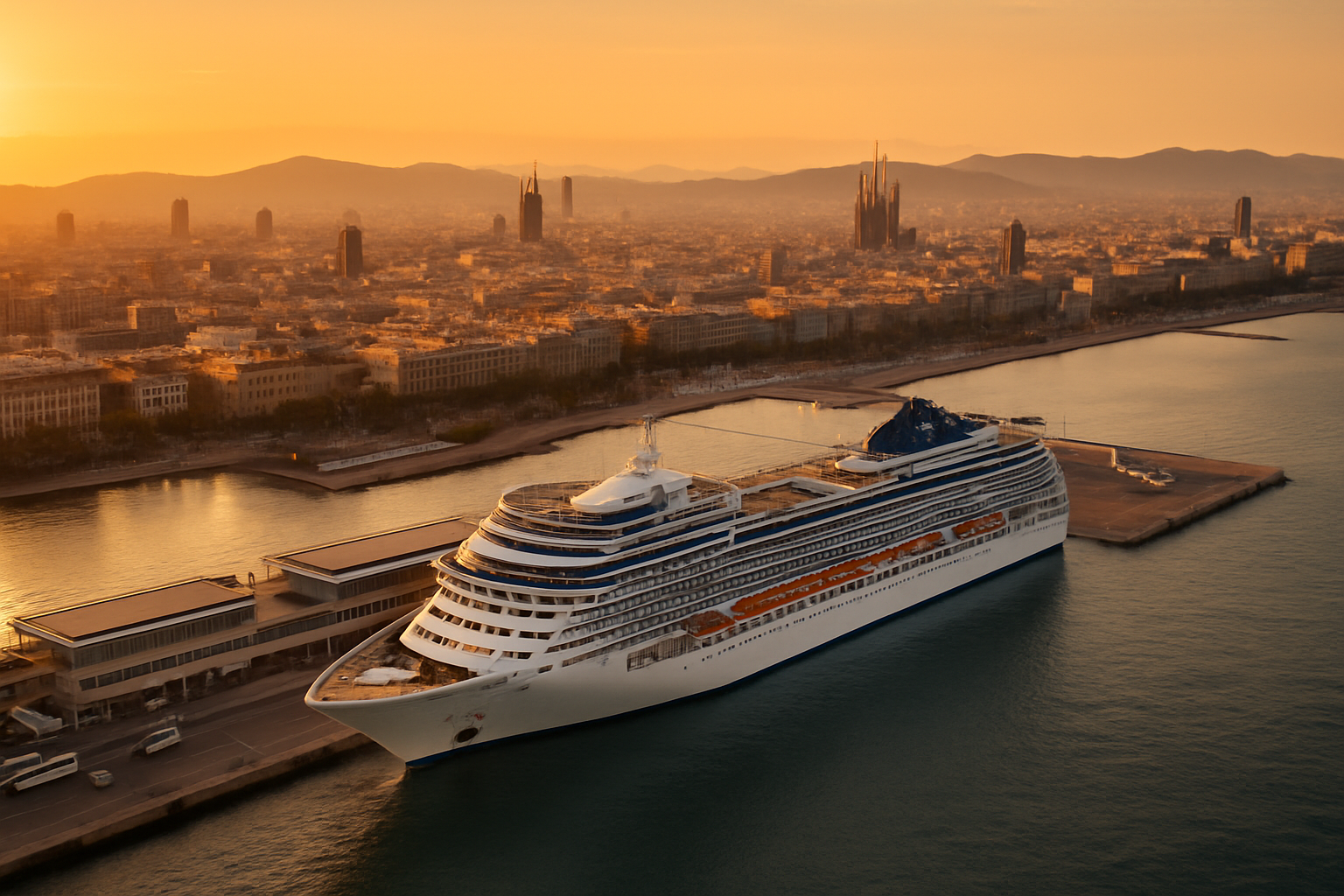
If you have a Mediterranean cruise stopping in Barcelona on your itinerary, it’s time to pay attention. The city has officially doubled its tourist tax on cruise passengers — and the mayor has made it clear this is only the beginning of a deliberate campaign to reshape who comes to Barcelona and how long they stay.
According to a report by Euro Weekly News, the daily levy for cruise travellers has risen from €4 to €8 per person, with the increase set to take effect within months following a fast-track approval push by Mayor Jaume Collboni.
Who Pays — and Who Doesn’t
The doubled fee applies specifically to passengers spending fewer than 12 hours in the city — the classic cruise port-of-call visitor who arrives in the morning, joins a shore excursion, and is back on board by dinner. This is exactly the type of tourism Barcelona has grown increasingly hostile toward.
There is, however, an important exemption: passengers who begin or end their cruise in Barcelona — known as turnaround or homeport travellers — will not pay the €8 daily fee. That distinction isn’t accidental. Barcelona wants fewer people rolling off a ship for a few hours and more people who actually fly in, stay the night, and spend money in the local economy. The exemption is essentially a policy nudge designed to push cruise lines toward using Barcelona as a homeport rather than a midway stop.
The Mayor’s Bigger Vision
Collboni has not been subtle about his long-term goals. He has stated that tourism should “serve the city, not the other way around” — a line that captures the broader frustration building in Barcelona over years of overcrowding, rising housing costs, and the sense that mass tourism has transformed the city into a theme park for visitors rather than a liveable place for residents.
His ultimate aim, it turns out, is to eliminate stopover cruising entirely, permitting only embarkation and disembarkation visits at the port. The €8 tax is a step toward that goal, but it is not the final destination.
The port welcomed more than 3.5 million cruise passengers in 2023. At €8 per head, the financial impact on both city revenue and cruise line operating costs is significant — on a vessel the size of MSC World Europa, for example, the additional levy compared to the previous €4 rate would amount to over €27,000 per sailing.
Part of a Sweeping Anti-Overtourism Push
The cruise tax hike doesn’t exist in isolation. It is part of a broader set of policies Barcelona has assembled to manage the pressure of mass tourism:
- The number of cruise terminals is set to be reduced from seven to five by 2030
- Hotel and short-term rental accommodation taxes have already been raised to as much as €15 per person per night
- The city has committed to eliminating tourist apartments entirely by 2028
- The City Council approved a gradual, four-year schedule of tax increases back in July 2025 — this latest hike is part of that plan
Barcelona is not acting alone. Amsterdam, Venice, and Dubrovnik have all implemented comparable measures in recent years, signalling a broader shift in how major European destinations are choosing to manage the tradeoff between tourism revenue and quality of life for residents.
What This Means for Cruise Travellers
For passengers, the practical impact of an additional €8 per day is modest in isolation — we’re talking about the price of a coffee and a pastry at a decent Barcelona café. But the direction of travel matters. This is not a one-time adjustment; it is an announced, phased increase by a mayor who has stated publicly that he wants stopover cruise visits gone altogether.
Cruise lines will feel this too, both in terms of direct cost and in how they structure Mediterranean itineraries going forward. Routes that currently treat Barcelona as a routine mid-cruise stop may need to be reconsidered — either repositioning the city as a homeport or finding alternatives.
For now, Barcelona remains one of the most stunning cities in Europe and a genuinely rewarding shore excursion. But the welcome mat is being quietly rolled back, one euro at a time.
Source: Euro Weekly News — “Barcelona wants cruise tourists to pay more — and stay longer”, published May 22, 2026.
Related news
France Just Approved a €15 Tax on Every Cruise Port Stop—Here's What It Means for Your Next Mediterranean Voyage
Your 2026 Cruise Budget Has a New Line Item—And It's Not the Buffet
Striking Sailors Strand 3,200 Cruise Passengers After Blocking Marseille Port