France Held 1,700 Cruise Passengers Hostage. Here's What Really Happened Aboard the Ambition
France locked down Ambassador's Ambition in Bordeaux in May 2026, confining 1,700 passengers over a norovirus outbreak. Here's what really happened.
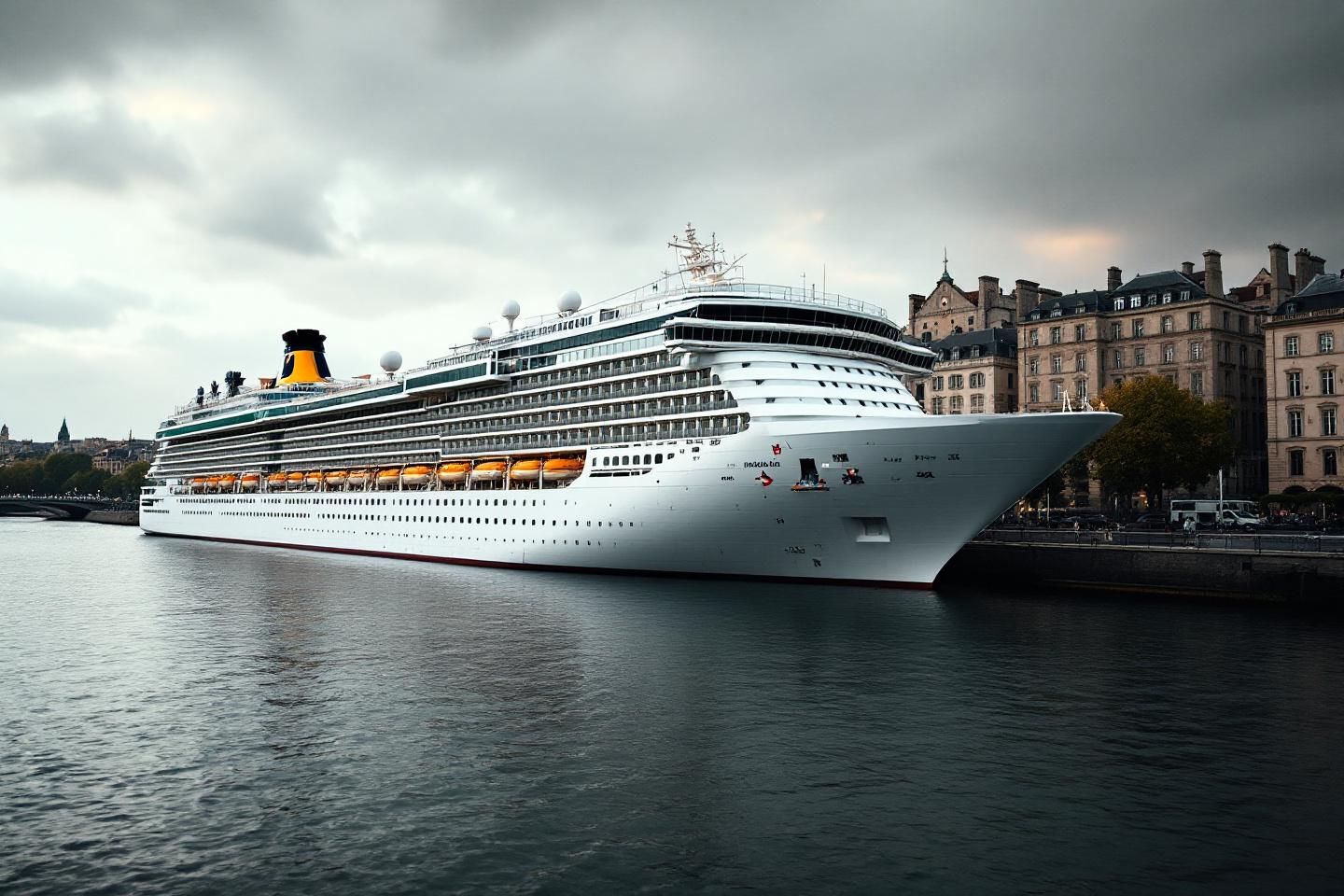
Imagine boarding a 14-night cruise through western France and Spain, only to find yourself confined to a ship anchored in Bordeaux while health officials in hazmat gear debate whether to let you off. That is exactly what happened this week to more than 1,700 passengers and crew aboard Ambassador Cruise Line’s Ambition — and the timing could not have been worse.
According to The Washington Times, French authorities ordered a full lockdown of the vessel on May 13, 2026, after a norovirus outbreak spread through the ship mid-voyage. By late Wednesday, asymptomatic passengers were finally allowed to disembark. The Ambition departed Bordeaux as planned on the evening of May 14.
What Happened on the Ambition
The Ambition, operated by British cruise line Ambassador Cruise Line — a relatively young brand founded in 2021 and focused on passengers over 50 — departed on a 14-night western France and Spain explorer itinerary from Belfast and Liverpool. The ship carried 1,233 passengers, mostly British and Irish travelers, along with 514 crew members.
Cases of gastrointestinal illness began rising on May 9, the day after embarkation from Liverpool. By the time the ship arrived in Bordeaux on the evening of May 13, approximately 80 people had shown symptoms consistent with acute digestive infection. Laboratory analysis at Bordeaux University Hospital confirmed the culprit: norovirus — a “gastro-intestinal infection of viral origin,” as French health authorities described it.
There was also a death aboard the ship. A 92-year-old British passenger died on May 10 while the ship was in Brest. French authorities determined his death was unrelated to the illness outbreak — he died of a heart attack and had not reported gastrointestinal symptoms.
Why French Authorities Stepped In So Aggressively
Here is where context matters enormously. French health officials did not hesitate to order a full lockdown, and their explanation was direct: they wanted to act out of “an abundance of caution” and to “avoid psychosis.” That last phrase is telling.
This lockdown happened just days after the MV Hondius hantavirus crisis gripped global headlines — a far more deadly outbreak that killed multiple passengers aboard a Dutch expedition vessel returning from Antarctica. Health agencies across Europe were already on high alert. The optics of another cruise ship reporting illness in European waters, even a comparatively routine norovirus outbreak, demanded an aggressive public health response.
French authorities were also transparent about what this was not: officials explicitly stated there was no connection to the hantavirus outbreak. This was straightforward norovirus — deeply unpleasant, highly contagious, but rarely life-threatening in healthy travelers.
The Lockdown and Resolution
When the Ambition docked in Bordeaux on May 13, all 1,747 passengers and crew were initially ordered to remain aboard. For a ship mid-voyage with hundreds of healthy, unaffected travelers, this was a significant disruption. Reports from passengers described the atmosphere aboard as relatively calm — one Belfast resident confirmed that people were “just going about as normal” while waiting for clearance.
By late Wednesday, authorities had reviewed the confirmed lab results and assessed the scale of the outbreak. Active cases numbered 48 guest cases and one crew case at 11:00 a.m. UK time on May 13 — symptomatic but containable. With norovirus confirmed rather than something more dangerous, French officials permitted unaffected passengers to disembark for port excursions while requiring those with symptoms to remain isolated onboard under medical care.
Ambassador Cruise Line implemented enhanced sanitation protocols across the ship. The Ambition ultimately departed Bordeaux on the evening of May 14, continuing its itinerary.
What This Means for Cruise Travelers
A few important takeaways from this incident.
Norovirus is the cruise industry’s most persistent health problem. The CDC logged 23 gastrointestinal outbreaks on cruise ships in 2025, the majority norovirus-related. Ships are enclosed environments with communal dining and shared surfaces — exactly the conditions where norovirus spreads with brutal efficiency. No cruise line is immune, regardless of its size or reputation.
Port-state authority is real and swift. Many cruisers assume that once they are aboard a ship, the cruise line controls everything. This incident is a reminder that when a ship is in port, the local government has the authority to detain it. French health officials had the legal right to confine the Ambition, and they exercised it without hesitation. This is true in virtually every major cruise port around the world.
The geopolitical health context shapes overreactions. Had the Hondius crisis not been dominating headlines, it is entirely possible that France would have handled this outbreak with less dramatic intervention. The lockdown of 1,700 people over 80 confirmed norovirus cases, with no crew cases suggesting widespread transmission, is a notably heavy-handed response by historical standards. That is not a criticism — it reflects the reality that public health decisions are never made in a vacuum.
Ambassador Cruise Line handled it quietly. The UK-based line, which markets itself to older travelers seeking affordable, adult-focused voyages, has not had a strong public profile in international health news. How the brand manages passenger communication and compensation for this disruption will matter a great deal to its largely loyal customer base.
The Bottom Line
The Ambition’s passengers endured an unexpected and frustrating 24 hours in Bordeaux, but they are now back at sea. Eighty cases of norovirus on a ship of 1,233 passengers — roughly 6.5% of those aboard — is a significant outbreak by industry standards, though far from catastrophic. The response from French authorities was shaped as much by the global health climate as by the severity of this specific event.
For anyone planning a cruise in the coming months, particularly in European waters: wash your hands aggressively, use hand sanitizer at every dining entrance whether it is required or not, and understand that even a confirmed-mild illness can result in port delays beyond anyone’s control. That is simply the current reality of cruising in the post-Hondius news cycle.
Source: The Washington Times, RTÉ News