
Cruise Wear for Men: A Practical Packing Guide
Clear, no-fluff guidance on what to wear on a cruise — from pool deck to formal night — with a complete men's packing checklist.
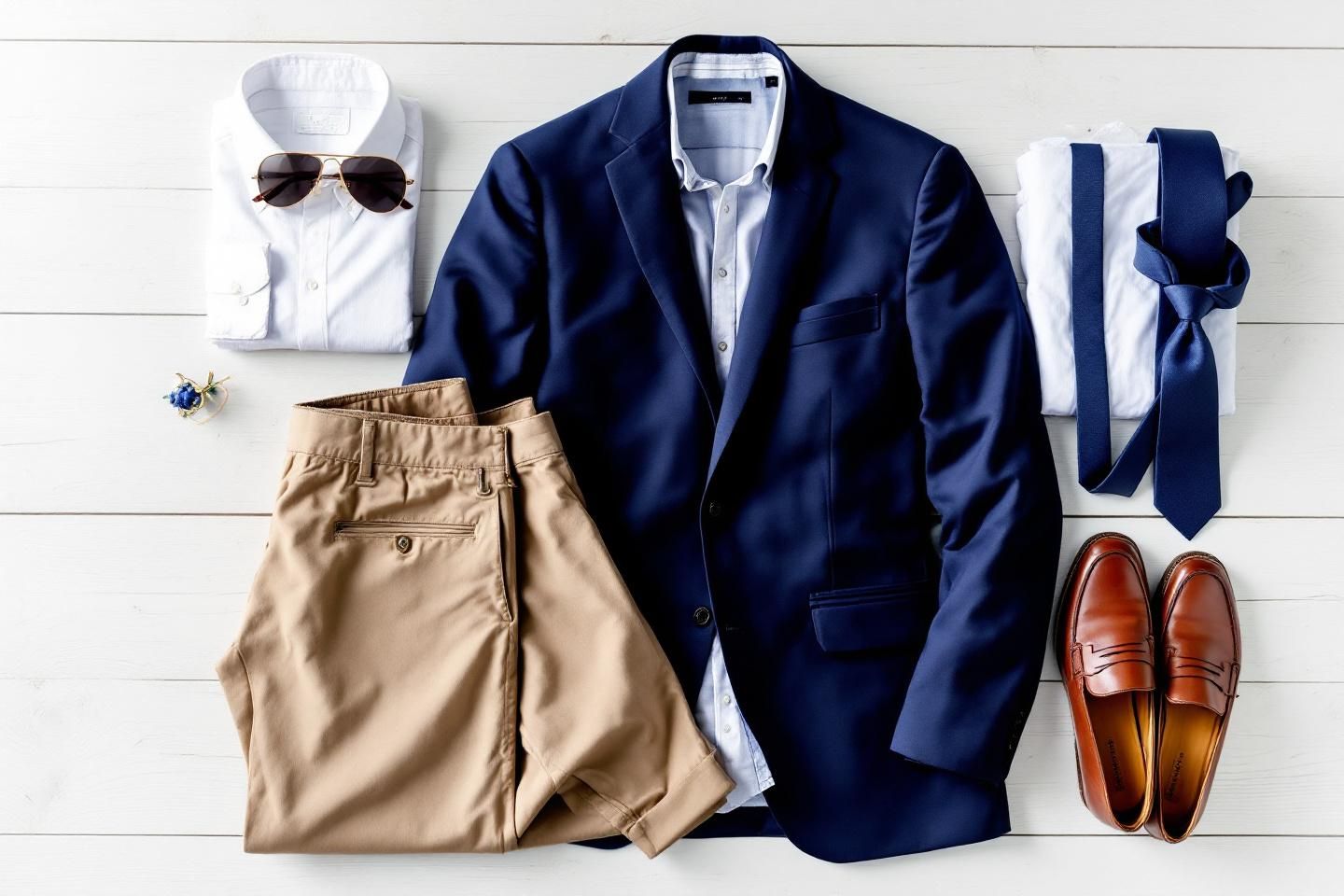
Cruise wear for men comes down to one core problem: you are packing for a floating resort that expects you to look beach-ready by noon and restaurant-ready by seven, sometimes on the same day. Add a formal night, a few active shore excursions, and potentially weather that ranges from Caribbean heat to Alaskan cold, and the packing decision gets complicated fast.
It doesn’t have to be. Most men who have cruised more than once figure out that the wardrobe answer is simpler than it first appears — a handful of versatile pieces, a clear understanding of what each dress code actually means in practice, and the discipline to leave the excess at home.
This guide covers every clothing occasion you’ll encounter at sea: what the dress codes mean and which lines actually enforce them, what to wear during the day on the ship and in port, how to handle formal night without shipping a garment bag, and the single most important shoe decision you’ll make before you pack.
For a complete look at what to bring beyond clothing, start with our full Cruise Packing hub and the guide on what to bring on a cruise.
Understanding the Dress Code Tiers
Every cruise line uses slightly different language, but in practice there are three clothing situations you’ll encounter. Getting these straight before you pack makes every clothing decision downstream automatic.
Resort Casual: The Default Mode
Resort casual is the dress standard for most of the ship, most of the time — casual dining, the pool deck (in non-swimwear areas), the casino, the bars, the theater, the corridors between venues. Think of it as the equivalent of what you’d wear to a casual lunch at a beach restaurant: shorts or casual pants, a t-shirt or polo, sandals or sneakers.
The practical restriction is that swimwear is confined to the pool deck and adjacent areas. You cannot walk through the buffet in just swim trunks. A t-shirt or linen shirt over trunks solves this; a towel wrapped around your waist does not.
Smart Casual: Main Dining Room Evenings
Smart casual is the standard for the main dining room (MDR) on non-formal nights, which is the majority of evenings on most cruises. On a 7-night sailing you’ll have roughly five or six smart casual evenings and one or two formal ones.
For men, smart casual means:
- A collared shirt — polo or button-down, short or long sleeve
- Chinos, dress pants, or dark jeans without distressing or tears
- Clean closed-toe shoes — loafers, boat shoes, or dress shoes
- A blazer is optional, not required
What gets you redirected at the MDR entrance: athletic wear, tank tops, flip-flops, ripped jeans, baseball caps, and swimwear in any form. Staff on Carnival, Norwegian, and MSC are relatively relaxed about enforcement. Celebrity, Princess, and Holland America are more consistent. Luxury lines (Regent, Silversea, Seabourn) hold a genuinely elevated standard throughout.
Formal Night: One Evening Per Week
Formal night — called “Elegant Evening” on Princess, “Gala Night” on MSC, and various other names elsewhere — typically happens once on a 7-night cruise, twice on longer sailings. It is the most photograph-heavy night of the trip and the one that generates the most packing anxiety, usually disproportionate to what the situation actually demands.
For men, the practical spectrum of acceptable formal night attire runs from:
- Dark suit with tie — correct on every mainstream cruise line, comfortable middle ground
- Blazer with dress shirt, dress pants, and tie — works well on Carnival, Royal Caribbean, NCL; adequate on Celebrity and Princess
- Button-down, slacks, and dress shoes without a tie — gets through on Carnival and NCL; may earn a look on Celebrity or Princess but is rarely turned away
- Tuxedo — always acceptable, expected on luxury lines, rare on mass-market ships
The honest reality in 2026: on Royal Caribbean, Carnival, and NCL, formal night has largely evolved into an optional dress-up occasion. A dark blazer and slacks will not get you turned away from dinner anywhere. On Celebrity, Holland America, and Princess, the standard is meaningfully higher — a suit or blazer-with-tie is the practical floor. On Cunard and luxury expedition lines, formal means formal.
If you’re debating whether to bring a suit: a navy or charcoal suit is the single most efficient formal night solution. It packs reasonably well, photographs well, and works on any line from Carnival to Celebrity without any awkward judgment calls at the door.
Daytime: What to Wear on the Ship
Pool Deck and Sea Days
Sea days are entirely casual. Swim trunks, a t-shirt or rash guard, sandals or flip-flops, and a cap cover every situation on the pool deck. The practical considerations:
Bring at least two pairs of swim trunks. Quick-dry fabric (polyester or nylon blend) is non-negotiable — cotton trunks stay wet for hours, chafe on the walk back to your cabin, and can’t double as casual shorts once they’ve been in saltwater and sunscreen.
A rash guard is underrated. Sun exposure on a cruise deck is more intense than most men expect — you’re on the water, often at latitudes closer to the equator than you’re used to, with reflected UV off the ocean surface adding to direct exposure. A rash guard provides meaningful protection and dries immediately. It also means you’re covered for re-entry into indoor spaces without finding a shirt first.
One light layer for the interior. Ship interiors are aggressively air-conditioned. The MDR, the casino, the theater, and the main corridors run cold enough that a light long-sleeve shirt or a thin quarter-zip is genuinely useful even in tropical climates.
Port Days and Shore Excursions
Port day clothing is its own category and the one where men most often make mistakes.
For city walking tours and cultural sites: comfortable chinos or lightweight pants, a breathable collared shirt or polo, and broken-in walking shoes. Many churches, mosques, and cultural monuments require covered shoulders and covered knees. A collared shirt handles this without any adjustment. Shorts may require you to buy or borrow a cover-up at the entrance to some sites.
For active excursions (zip-lining, kayaking, hiking): moisture-wicking shorts or pants, a breathable athletic top, and closed-toe shoes with real grip. This is the most important clothing decision for any excursion day. Your sandals will not work. Many excursion operators will turn you away at the meeting point if you show up in flip-flops for an activity that requires closed-toe footwear.
For beach days: swim trunks, a cover-up, sandals, and a hat. Add a rash guard and water shoes if you’re heading to rocky or reef-lined beaches.
Evening Wear: Building Your Rotation
The most efficient approach to men’s cruise outfits for evenings is building a small rotation of pieces that mix and match across the dress code tiers, rather than packing separate complete outfits for each night.
The Core Evening Wardrobe
Two or three collared shirts in varied colors. A white button-down, a light blue Oxford, and a patterned or textured polo covers the smart casual baseline for most of a 7-night cruise. Roll or fold them carefully; wrinkles in a shirt are harder to disguise than wrinkles in pants.
Two pairs of versatile trousers. Navy chinos and charcoal dress pants handle every smart casual evening and, with the right shirt, formal night on most mainstream lines. Dark jeans (clean, no distressing) can substitute for a third pair if you prefer.
One blazer. This is the single highest-leverage item in a man’s cruise wardrobe. A well-fitting navy or dark grey blazer transforms a polo and chinos into a smart casual look, elevates a button-down to formal-night-appropriate on most lines, and functions as your light layer when the dining room temperature drops. Pack one; wear it more than you expect to.
One tie (optional). If your cruise line has a genuine formal night standard or you want the complete look, pack a single tie. It weighs nothing and takes no space. If you’re on Carnival or NCL, you can leave it at home.
Dress shoes. One pair — a dark oxford, a clean loafer, or a leather boat shoe — handles both smart casual and formal night. Don’t pack two pairs of dress shoes.
Shoes: The Most Important Packing Decision
Men typically underpack footwear on cruises, and it costs them. The right shoe strategy involves four pairs — no more, no fewer:
-
Flip-flops or pool slides — pool deck only. These are not walking shoes and should not leave the ship.
-
Comfortable walking shoes (closed-toe, broken in) — for every shore excursion that involves terrain, active activities, or extended walking in port. Sneakers work well. Leather walking shoes or hiking-lite shoes work better for cobblestone ports. These must be broken in before you board; a new pair will destroy your feet by the second excursion.
-
Loafers or boat shoes — the workhorse evening shoe. Comfortable enough to wear all evening, dressy enough for smart casual in the MDR, acceptable for formal night on most mainstream lines. A dark brown or navy leather loafer earns its place in the bag on every cruise.
-
Dress shoes or leather oxfords — only necessary if your cruise line holds a genuine formal night standard (Celebrity, Princess, Holland America, luxury lines) or if you want the complete formal look. Skip these on Carnival and NCL.
The common mistake: bringing flip-flops as your only off-pool footwear and then discovering you can’t enter the MDR, can’t do the excursion, and can’t walk the old-town cobblestones without slipping. Flip-flops are pool infrastructure, not general-purpose cruise shoes.
Climate Considerations by Destination
Cruise wear for men shifts considerably based on where you’re sailing. The clothing tiers remain the same; the fabric weight and layering strategy change.
Caribbean, Bahamas, Mexico
The warmest and most forgiving environment. Lightweight fabrics — linen, cotton-linen blends, lightweight polyester — handle the humidity. Even formal night outfits benefit from lighter fabric choices: a linen blazer or a wool-blend suit in a lighter weight is meaningfully more comfortable than heavy wool in 85-degree heat.
Bring fewer long pants and more versatile shorts. The main dial you’re adjusting is breathability, not warmth.
Alaska and Northern Europe
Cold-weather itineraries require a fundamentally different approach. Layering is the strategy:
- A thermal or moisture-wicking base layer for excursion days
- A mid-layer fleece or insulated jacket
- A waterproof outer shell with a hood — rain is constant in Southeast Alaska
Evening wear still follows the dress code tiers inside the ship, which is climate-controlled regardless of outside temperature. But you’ll want a structured blazer rather than a linen one, and dress pants rather than chinos on formal night.
The excursion footwear question matters more in Alaska: hiking boots or waterproof trail shoes are appropriate and worth packing over standard walking sneakers if you’re doing glacial or wilderness excursions.
Mediterranean
Mediterranean summer sailings run hot — similar to the Caribbean in July and August. Spring and fall sailings call for more layering flexibility. The key difference from the Caribbean: European ports have a higher concentration of cultural sites that require covered clothing, and the general dress standard in port towns skews more conservative than a beach destination.
Pack long pants alongside your shorts. A lightweight button-down shirt does double duty — breathable for hot days, coverup-compliant for cultural sites, and smart enough for the MDR in the evening.
See our Caribbean cruise packing list for destination-specific essentials that apply to warm-weather sailings across regions.
Men’s Cruise Packing Checklist
Use this for a standard 7-night cruise. Adjust quantities for longer sailings or specific itinerary demands.
Pool and Casual Daytime
- 2 pairs swim trunks (quick-dry fabric)
- 1–2 rash guards or pool t-shirts
- 1 pair flip-flops or pool slides
- 3–4 casual t-shirts or polos
- 2 pairs casual shorts (can double as excursion wear if not too long)
- 1 light long-sleeve shirt or quarter-zip (air conditioning)
- 1 baseball cap or sun hat
Shore Excursions
- 1 pair closed-toe walking shoes or sneakers (broken in)
- 1–2 moisture-wicking or athletic shirts
- 1–2 pairs lightweight pants or zip-off convertible pants
- Small daypack for water, phone, and sunscreen
- Sunglasses with UV protection
Evenings
- 2–3 collared dress shirts or fitted polos (smart casual)
- 2 pairs chinos or dress pants (navy + charcoal covers everything)
- 1 blazer (navy or dark grey)
- 1 pair loafers or boat shoes
- 1 tie (optional; required on some luxury lines)
- 1 dark suit (if your line holds a formal night standard)
- 1 pair dress shoes (if bringing a suit)
Total shoes: 3–4 pairs. Flip-flops, walking shoes, loafers, and (optionally) dress shoes.
Common Mistakes Men Make When Packing for a Cruise
Overpacking for formal night. One suit or one blazer-and-pants combination handles formal night on any mainstream cruise line. Men who pack multiple formal looks — suits, sport coats, separate dress shirts for each — use none of them past the first evening.
Relying on flip-flops as general footwear. Covered above in shoes, but worth repeating: flip-flops are pool shoes. They will not get you into the MDR. They will not survive a cobblestone walking tour. They will not meet excursion requirements for closed-toe footwear. Pack actual walking shoes.
Forgetting the light layer for indoors. Ship interiors are cold. Men who pack purely for the destination temperature — all shorts and t-shirts for a Caribbean cruise — spend the evenings in the theater or casino vaguely uncomfortable. A single light long-sleeve shirt or thin layer solves this entirely.
Bringing new shoes. Any shoe that is not already broken in before you board becomes an enemy on the first long port day. Blisters on day two ruin the rest of the excursion days. Break in your walking shoes at home before the trip.
Ignoring fabric weight on formal night. A heavy wool suit on formal night in the Caribbean is genuinely miserable. A lightweight wool-blend suit or a linen blazer keeps the look correct while making the evening bearable.
Not checking the cruise line’s specific dress code. The dress code variance between Carnival and Cunard is significant. A blazer without a tie is fine for one and underdressed for the other. Check your specific line’s published dress code before you decide what to pack.
Final Thoughts on Cruise Outfits for Men
The men who pack best for cruises think in systems, not outfits. A blazer that covers smart casual and formal night. Loafers that work from the MDR to the bar to the casino. Two swim trunks that rotate daily so one is always dry. A pair of walking shoes that handle every shore excursion regardless of terrain.
From that base, everything else is optional. The cruise wardrobe for men is genuinely lean — fewer pieces than most first-timers pack, used far more efficiently.
The full Cruise Packing hub covers everything beyond clothing: documents, tech, health essentials, and what the ship provides so you don’t pack duplicates. If you’re heading to the Caribbean, the Caribbean cruise packing list covers destination-specific gear including sunscreen requirements and excursion essentials. For the complete picture of what comes with you and what stays home, see our guide on what to bring on a cruise.
Pack the system. Leave the excess. You’ll wear more of what you bring and enjoy the trip more for it.
Related guides
Part of our Cruise Packing hub.