
Cheapest Cruise Lines: Best Value Picks
The cheapest cruise lines ranked on real all-in cost vs. quality. Compare Carnival, MSC, Royal Caribbean, Norwegian, Costa, and Princess per night.
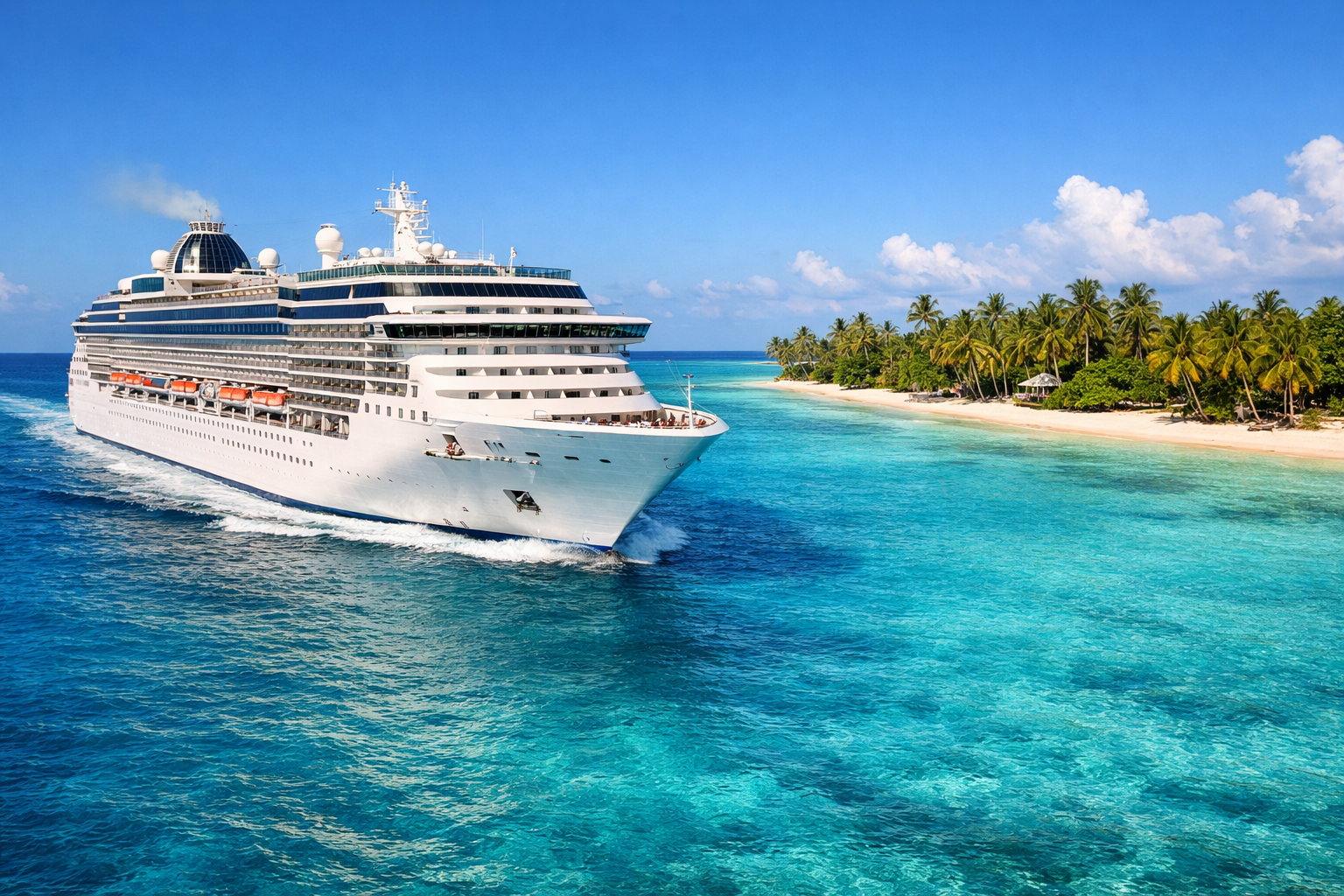
You’ve seen the ads — “7-night Caribbean cruise from $299!” — and wondered whether there’s a catch. Sometimes there is. Sometimes there isn’t. Finding the genuinely cheapest cruise lines requires looking past the headline fare to understand what you’re actually getting for your money, and where the real savings (or sticker shock) shows up.
This guide breaks down the most affordable cruise companies on a per-night basis, compares what’s included versus what gets added on, and explains how to actually book at the lowest price. If you want the full picture of how all the major brands stack up, head over to our Cruise Lines hub — this article zooms in specifically on value and affordability.
The “Cheap vs. Value” Distinction You Need to Understand
Before diving into line-by-line comparisons, it’s worth establishing a framework. The cheapest cruise lines by sticker price are not always the best value cruise lines once you factor in:
- Daily gratuities/service charges — typically $18–$21 per person per day on mainstream lines
- Drink packages — anywhere from $60–$110+ per person per day
- Wi-Fi — $15–$30 per day for a decent connection
- Specialty dining — $20–$60 per venue
- Port fees and taxes — often $20–$50 per person per sailing, and not always shown in headline fares
A $299 four-night cruise with $20/day gratuities, a $70/day drink package, and $15/day Wi-Fi translates to roughly $120+ per person per night in real spend — not the $75 implied by the advertised fare.
The lines that offer genuine value are the ones where either the base fare is low AND the add-on culture is restrained, or where bundled pricing makes the real cost predictable.
The Cheapest Cruise Lines, Ranked by Per-Night Cost
1. Carnival Cruise Line — Lowest Average Base Fares
Carnival consistently delivers the lowest advertised fares of any major U.S.-based cruise line. Four-night Bahamas and Mexico sailings regularly start in the $60–$80 per person per night range for an inside cabin when booked several months in advance. That’s hard to beat anywhere in travel.
What you get: Carnival’s fleet skews toward fun-forward, party-atmosphere ships. Dining in the main dining room and buffet is included and genuinely decent. The entertainment — comedy clubs, live music, game shows — is included as well. The ships are big and loud; if you want serene, look elsewhere.
Where costs add up: Carnival’s drink packages run $65–$85 per person per day (the “CHEERS!” package). Gratuities are approximately $18 per person per day. Wi-Fi runs $18–$25 per day. If you drink regularly, the package can make sense, but it moves your actual per-night cost meaningfully higher.
Best for: First-time cruisers, party-seekers, families on tight budgets, short sailings out of Florida or Texas ports.
2. MSC Cruises — European Value with Modern Ships
MSC is the fastest-growing cruise line in the world and has made aggressive pricing in the North American market a core part of its strategy. Base fares often land in the $75–$120 per person per night range for Caribbean sailings, with European Mediterranean itineraries sometimes even lower in shoulder season.
What you get: MSC’s newer ships (Seashore, Seascape, World America) are genuinely impressive — modern design, excellent dining variety, and strong entertainment. The line also has tiered “Experience” levels (Bella, Fantastica, Aurea, Yacht Club) that let you customize what’s included.
Where costs add up: MSC’s Bella Experience, the cheapest tier, strips out things like flexible dining times and some cabin categories. The Yacht Club — a ship-within-a-ship concept with butler service and private pool — adds significant cost but represents a genuinely different product. MSC Cruises also tends to push extras aggressively onboard.
Best for: Value seekers who want newer ships, European-style service, and don’t need a fully American onboard vibe.
3. Royal Caribbean — Mid-Range Pricing with Unmatched Onboard Scale
Royal Caribbean isn’t the cheapest cruise line by sticker price — typical inside cabins run $100–$180 per person per night on mainstream sailings — but the sheer scale of what’s included sets it apart. The newer Oasis- and Icon-class ships pack water parks, surf simulators, ice rinks, Broadway shows, and dozens of dining options into the base fare.
What you get: More onboard activity and entertainment than any competitor at a comparable price point. Main dining, buffet, pools, shows, and most daytime activities are included. The quality floor is higher than Carnival across the board.
Where costs add up: Royal Caribbean is aggressive about specialty dining (20+ restaurants on Icon of the Seas), drink packages ($85–$110 per person per day), and Wi-Fi ($20–$30 per day). The “Royal Caribbean Key” program bundles some perks. Shore excursions through the line are routinely 2–3x the cost of booking independently.
Best for: Families who want maximum variety, travelers who want to do everything and are OK paying for it, anyone drawn to the spectacle of the world’s largest ships.
4. Norwegian Cruise Line (NCL) — Flexible “Free at Sea” Bundling
Norwegian’s base fares sit in a similar range to Royal Caribbean ($120–$200+ per person per night for a standard sailing), but the line’s “Free at Sea” promotion has been a fixture for years. When active, it bundles a drink package, specialty dining credits, Wi-Fi, and sometimes shore excursion credits into the fare.
What you get: NCL’s Freestyle Cruising model means no fixed dining times and no formal nights — genuinely flexible. The ships are well-maintained, entertainment is strong (NCL holds rights to several Broadway productions), and the Haven suite complex is among the best luxury-within-mainstream products at sea.
Where costs add up: The “Free at Sea” bundling sounds generous, but the prices are set accordingly — you’re not getting $100/day of drinks for free, you’re getting a discount on a drink package that’s been priced at a premium. That said, if you’d spend the money anyway, it locks in predictable costs. NCL’s gratuities are also on the higher end, around $20+ per person per day.
Best for: Travelers who want flexibility in dining, anyone who values predictable all-in pricing, and couples who want a luxury suite experience at non-luxury prices via the Haven.
5. Costa Cruises — The Budget Option for European Itineraries
Costa is Carnival Corporation’s European brand and is significantly less prominent in the U.S. market than it once was, but it remains one of the cheapest cruise lines for Mediterranean and Northern European itineraries. Per-night fares for European sailings can drop to $70–$100 for inside cabins, which is exceptional given the destination quality.
What you get: An Italian-inflected onboard experience that skews toward European travelers — less show-oriented than Carnival, more focused on dining and destination. The ships are older on average than MSC’s fleet, though Costa has introduced newer vessels in recent years.
Where costs add up: Costa’s pricing can be opaque for North American bookers, and the onboard culture is less geared toward English-first guests. Shore excursions and food upgrades can inflate costs.
Best for: Flexible travelers who want cheap European cruise fares and don’t need an English-dominant environment.
6. Princess Cruises — Value Through Bundled Packages
Princess doesn’t lead on sticker price, but its “Princess Plus” and “Princess Premier” packages, which bundle Wi-Fi, gratuities, and a drink package into the base fare, can make it one of the better-value mainstream cruise lines when you do the math. The all-in cost per night on a Princess Plus fare often undercuts a Carnival fare with those extras added separately.
What you get: A more mature, destination-focused product. Princess is known for excellent Alaska and Pacific Northwest itineraries, strong culinary programming, and a calmer onboard atmosphere than Carnival or Royal Caribbean.
Best for: Older travelers, Alaska and Pacific itineraries, and anyone who wants all-inclusive simplicity.
The Hidden Costs That Change Everything
Understanding the true cost of a cruise means factoring in what every line charges on top of the base fare.
Daily Gratuities
Almost every mainstream cruise line charges automatic service fees of $18–$21 per person per day, added to your onboard account. On a 7-night sailing for two people, that’s $252–$294 before you’ve bought a single drink. A few lines — Virgin Voyages most notably — include gratuities in the base fare.
Drink Packages
Drink packages range from $60–$110 per person per day depending on the line and the package tier. Most require both people in a cabin to purchase the same package. The math works in your favor if you’re drinking 5+ cocktails per day; if you drink socially but not heavily, you’ll likely overpay.
Wi-Fi
Budget roughly $15–$25 per day for a decent internet connection. Most lines sell at least three tiers — social media only, basic streaming, and premium streaming. Booking pre-cruise online typically saves 10–20% off onboard pricing.
Port Fees and Taxes
These are usually non-negotiable and sometimes excluded from advertised fares. Budget $20–$50 per person per sailing and confirm what’s included before comparing prices across booking platforms.
Budget-Friendly Itinerary Types Worth Knowing
The cheapest cruise lines can get even cheaper when you choose the right itinerary format.
Short Cruises (3–5 Nights)
Four-night Bahamas runs out of Miami or Port Canaveral, and 3-night Ensenada or Nassau sailings, are among the lowest per-night prices available. They’re also a smart way to trial a cruise line before committing to a longer sailing.
Repositioning Cruises
When ships move between regions — from the Caribbean to Europe in spring, or from Alaska to the Mexican Riviera in fall — lines sell those transits at dramatically reduced rates. Repositioning cruises in 2026 are running as low as $29–$88 per person per night on mainstream lines, including 14–20 night transatlantic and transpacific sailings. The tradeoff is flexibility: you need to arrange one-way travel, and sea days are plentiful.
Shoulder Season Sailings
May, September, and early October are the sweet spots for cheap cruise lines to get even cheaper. Summer peak and holiday school-break periods drive prices up; booking just before or after those windows — especially for Caribbean and Mediterranean sailings — can save 20–40% compared to peak fares.
When and How to Book for the Best Price
Timing matters enormously. Here’s what the data supports:
Book 6–12 months out for the best cabin selection at early-bird pricing. Most lines release their lowest promotional fares when itineraries first go on sale. If you see a price you like, book it — cruise fares rarely fall reliably the way hotel rates can.
Watch for flash sales and last-minute deals. Carnival and Royal Caribbean in particular run periodic promotions — “Wave Season” in January–March, and occasional flash sales tied to ship launches or slow booking periods. These can be excellent for flexible travelers without school-schedule constraints.
Use a travel agent or cruise specialist. Counterintuitively, you often pay the same price through an agent as booking direct, but agents can add onboard credit, cabin upgrades, or prepaid gratuities that move the value equation in your favor. For a full breakdown of booking strategy, see our guide to the best time to book a cruise.
Price match and monitor after booking. Royal Caribbean, Carnival, and NCL all offer price-match adjustments if the fare drops after booking (subject to conditions). Check periodically and call to rebook at the lower rate.
Quick Comparison: Cheapest Cruise Lines at a Glance
| Cruise Line | Avg. Base Fare (Inside Cabin) | Gratuities/Day | Drink Package/Day | Best For |
|---|---|---|---|---|
| Carnival | $60–$90/night | ~$18 | $65–$85 | Budget starters, short sailings |
| MSC | $75–$120/night | ~$18 | $60–$80 | Modern ships, European style |
| Royal Caribbean | $100–$180/night | ~$18–$20 | $85–$110 | Families, onboard variety |
| Norwegian | $120–$200/night | ~$20+ | Bundled via Free at Sea | Flexibility, suite experience |
| Costa | $70–$100/night | ~$16–$18 | $50–$70 | European itineraries |
| Princess | $110–$180/night | Included in Plus | Included in Plus | Alaska, bundled value |
The Bottom Line on Cheap Cruise Lines
The cheapest cruise lines — Carnival, MSC, and Costa — genuinely deliver low per-night base fares that are hard to match in other travel categories. But “cheapest” requires a complete accounting. Add gratuities, a drink package, and Wi-Fi to a Carnival fare, and the price per night starts looking much closer to what Royal Caribbean or Norwegian charges with those items bundled.
The best value cruise line for you depends on what you actually consume onboard. If you drink heavily and use Wi-Fi daily, a bundled Norwegian or Princess fare may be cheaper in real terms than a Carnival base fare plus extras. If you’re a light drinker doing a short sailing with minimal add-ons, Carnival or MSC is genuinely hard to beat.
The most important move is to calculate your all-in cost — base fare plus expected add-ons — before comparing options. To see how all the major cruise brands compare across fleets, dining, and onboard experience beyond just price, explore our Cruise Lines hub. And if you want to go deeper on matching lines to specific travel styles and itinerary types, the best cruise lines compared guide is the place to start.
Cheap doesn’t have to mean a bad time. It just has to mean informed.
Related guides
Part of our Cruise Lines hub.