Alaska's Gateway Port Breaks Every Record It Has — and the 2026 Season Hasn't Even Started
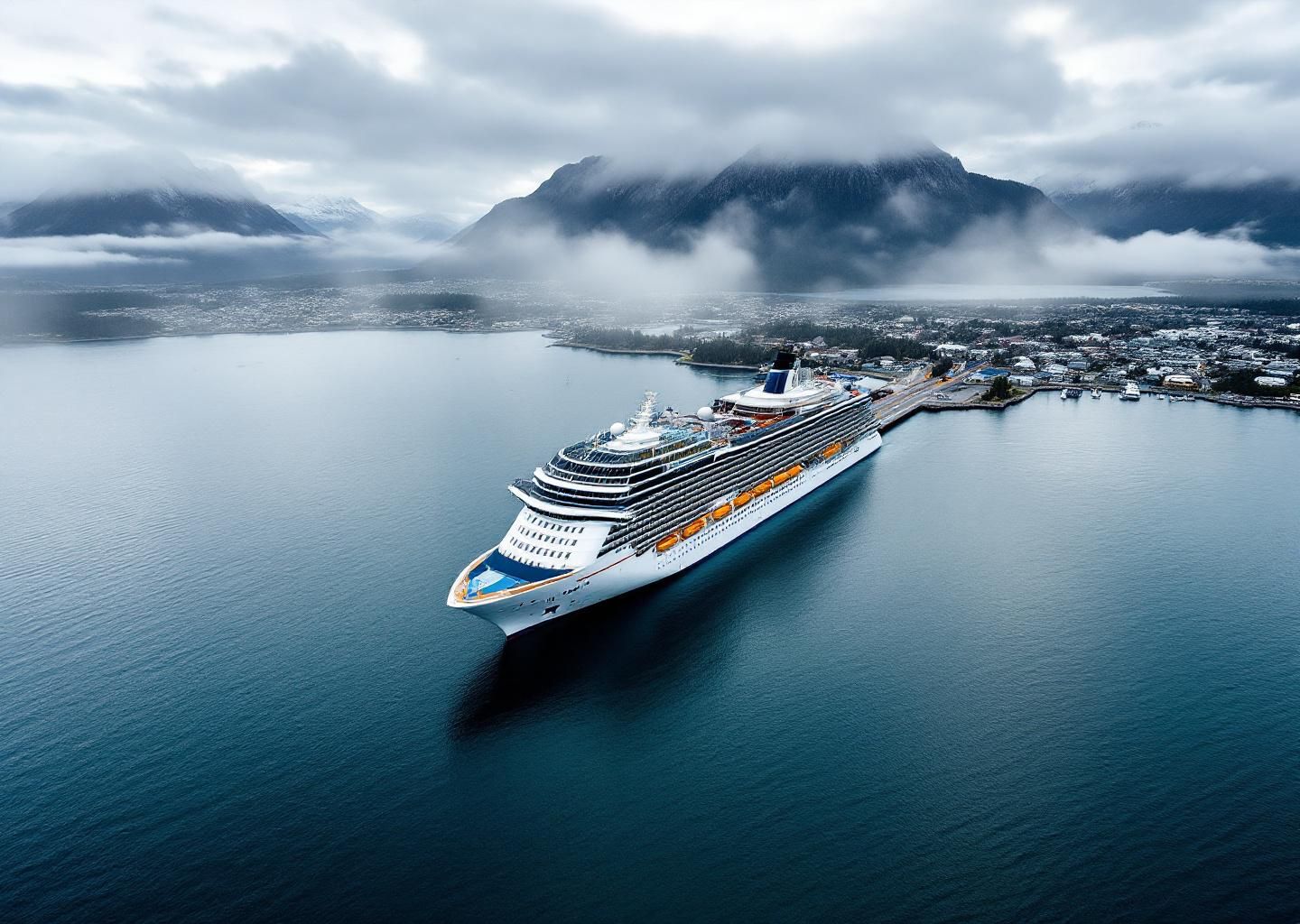
Seattle opened its record 2026 Alaska cruise season on April 17 with 330 ship calls, 2.1 million expected passengers, and two new cruise lines at the port.
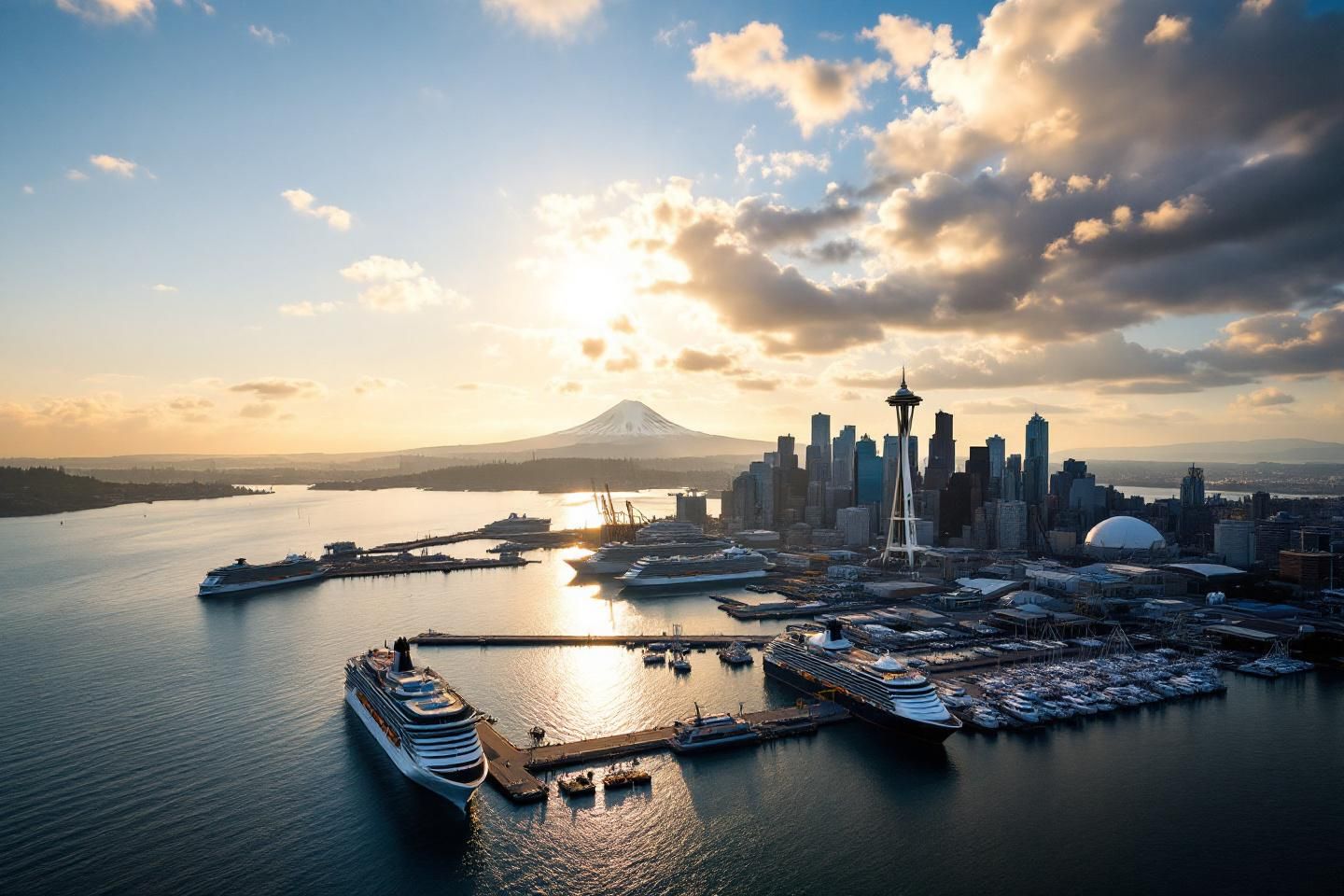
On Friday, April 17, 2026, the first cruise ship of the year arrived at the Port of Seattle — and with it, the opening of a season the port has been building toward for years.
The numbers the port published in its official announcement are not incremental improvements. They are records across the board: 330 vessel calls, 2.1 million expected revenue passengers, and 16 homeport ships — every figure a new high in the port’s history. For context, last year’s season brought 1.9 million passengers and 298 port calls. In a single year, Seattle has added more than 200,000 cruise passengers and 32 additional ship visits to its Alaska season. That is not marginal growth. That is a structural leap.
Two Brands That Have Never Done This Before
The headline statistic for 2026 is volume. But the more revealing story about where the Alaska cruise market is heading may be which cruise lines are showing up for the first time.
MSC Cruises and Virgin Voyages are both debuting Alaska sailings from Seattle this season — two operators that, until this year, had zero presence in one of the most competitive cruise destinations in the world.
MSC Cruises, the world’s largest cruise line by capacity, will begin seven-night Inside Passage sailings aboard the MSC Poesia from Pier 91 on May 11. The 2,550-passenger ship will call at Ketchikan, Icy Strait Point, Juneau, and Victoria, British Columbia. For a line that operates more than 20 ships across virtually every global market, Alaska has been a conspicuous absence — until now.
Virgin Voyages follows on May 21 with the 2,762-passenger Brilliant Lady, offering an adults-only Alaska experience and itineraries ranging from seven to twelve nights, calling at ports including Hubbard Glacier, Skagway, and Haines. Virgin’s approach to Alaska is consistent with its broader brand identity: the itineraries are designed to feel distinct from the conventional Inside Passage run, with longer sailings and a guest demographic that skews toward travelers who’ve already done the classic Alaska route and want something different.
The combined effect of both debuts is significant. Alaska has long been dominated by the same core players — Royal Caribbean, Princess Cruises, Holland America, Norwegian Cruise Line, and Carnival — and those lines are not going anywhere. But MSC and Virgin bring different customer bases, different price points, and different brand identities to a destination that has historically felt like a defined club. Their arrival will expand the audience for Alaska cruising in ways the established operators cannot do on their own.
What 2.1 Million Passengers Actually Means
Cruise passenger counts can feel abstract, so it’s worth grounding the 2.1 million figure in something more tangible. The port projects this season will generate approximately $1.2 billion in regional business revenue for the greater Seattle area, supporting more than 5,120 direct and indirect jobs and delivering $326.6 million in total compensation across Washington State.
That kind of economic footprint explains why the port has been investing in the infrastructure to support it. This year, two new passenger gangways have been added to improve boarding efficiency, and the Port Valet luggage transfer program has been expanded. Shore power connectivity is another area of active investment: 11 of the 16 homeport ships will connect to shore power in 2026, allowing them to shut down diesel engines while docked and draw electricity from the local grid instead. In 2025, 87% of shore power-capable ships at Seattle utilized clean power, avoiding 6,444 metric tons of CO2. Additional shore power connections at Pier 91 are planned for 2027.
Port Commission President Ryan Calkins framed the season in terms that acknowledge both the scale and the responsibility that comes with it, noting the region’s “centuries-long connection with Alaska is rooted in shared values of environmental stewardship.”
Why This Moment Matters
The Port of Seattle’s record-breaking 2026 season is not happening in isolation. It is the visible result of a cruise industry that added a projected 50 million guests globally over the coming decade, a post-pandemic travel rebound that has exceeded nearly every forecast, and a specific surge in demand for Alaska as a destination.
Alaska is no longer a niche market for nature enthusiasts or retirees checking off bucket list items. The addition of Virgin Voyages — a line that explicitly targets younger, lifestyle-oriented travelers — reflects how broadly the appeal of Alaska cruising has expanded. When a brand known for rooftop pools, DJ sets, and adults-only sailings decides Alaska is worth its inaugural season there, it says something about where consumer demand is actually moving.
For anyone planning an Alaska cruise, the 2026 season offers more choices than have ever existed from a single homeport. Sixteen ships, two first-time brands, and 330 opportunities to sail north — Seattle has become, by any measure, the undisputed gateway to the Inside Passage.
Source: Port of Seattle — Cruise Season Kicks Off With 330 Calls and Two New Cruise Lines
Related news
Virgin Voyages Sails Into Alaska for the First Time With the Brilliant Lady
Is the West Coast Finally Ready for Adults-Only Cruising? Virgin Voyages Is About to Find Out
Vancouver Just Welcomed Its First Cruise Ship of 2026 — and the Season Numbers Are Staggering