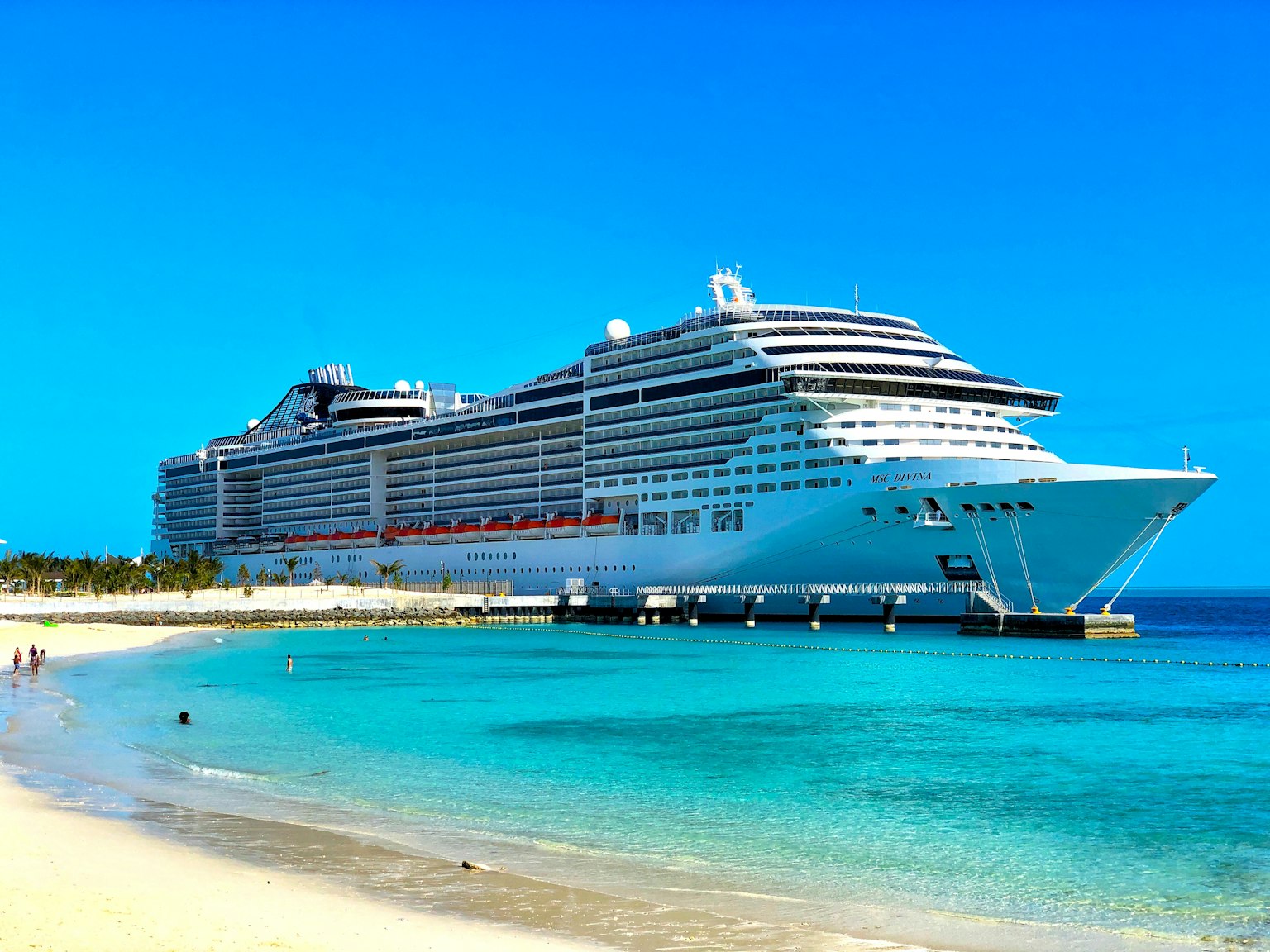
A $450 Million Bet on Grand Bahama: MSC Cruises Is Reshaping the Caribbean's Cruise Map
MSC Cruises is investing $450 million in a new cruise terminal and beach club at Freeport Harbor in Grand Bahama, reshaping the Caribbean cruise map.
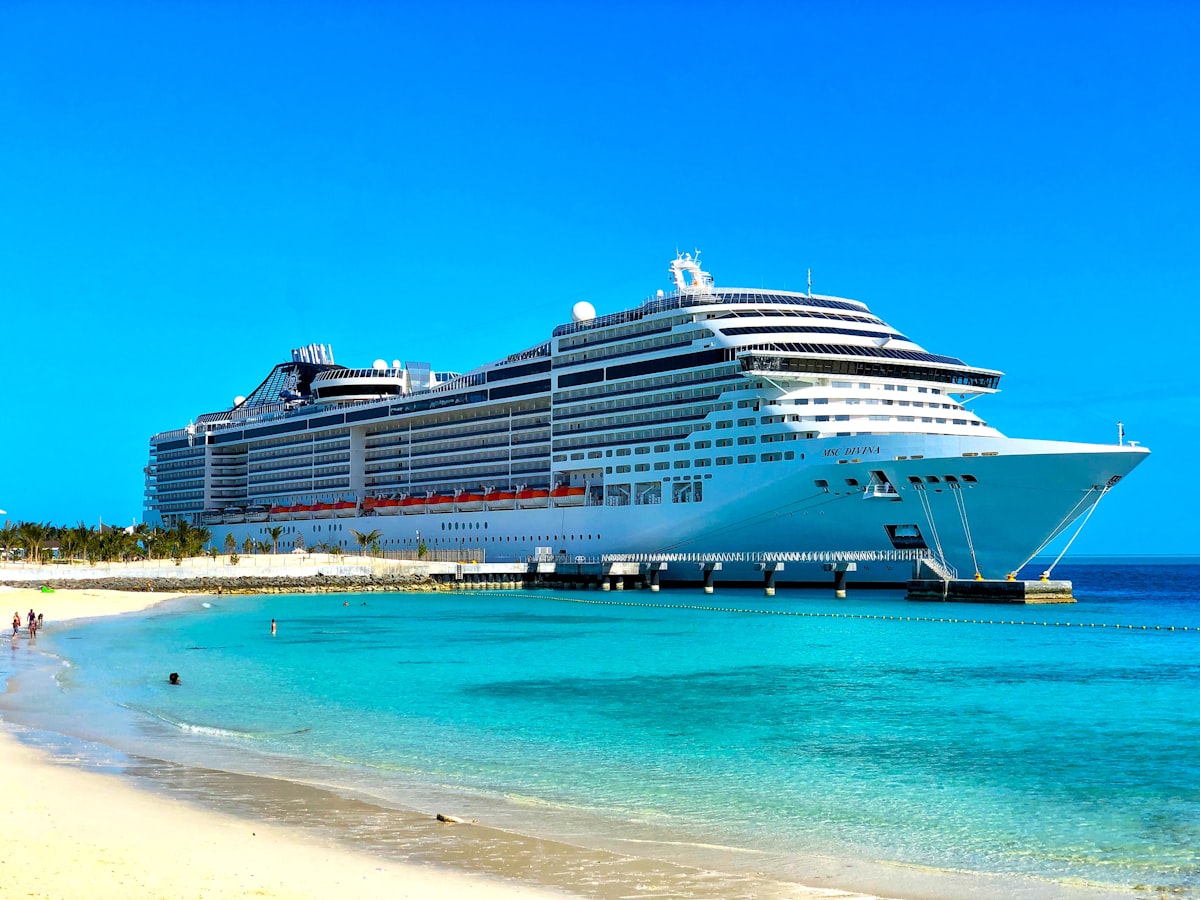
Grand Bahama has long played second fiddle to Nassau in The Bahamas’ cruise story. That is about to change in a very big way.
MSC Cruises has announced plans to invest $450 million into a sweeping new cruise terminal and beach club development at Freeport Harbor on Grand Bahama Island — one of the largest single cruise infrastructure commitments in the Caribbean in recent memory. The project was reported by Caribbean Journal on April 26, 2026.
What Is Being Built
The development will be constructed on an existing man-made island within Freeport Harbor and is broken into two major spending categories: roughly $400 million dedicated to the cruise terminal itself, with another $50 million going toward an MSC Beach Club and refurbishment of the existing retail village.
The terminal will feature multiple new berths, allowing Freeport to accommodate several large cruise ships simultaneously — a capacity the port currently cannot match. Alongside the berths, the plans include dedicated food and entertainment spaces for arriving passengers, plus a transport coordination center designed to connect passengers directly to shore excursions and independent travel options across the island.
Why This Matters
The numbers alone make this noteworthy, but the strategic picture is what really stands out. Grand Bahama has already been on a steep upward trajectory — cruise arrivals on the island grew more than 90% in 2025 compared to 2024, and that figure was already double the pre-pandemic 2019 levels. MSC is effectively doubling down on momentum that already exists.
This also isn’t MSC operating in isolation. Carnival Cruise Line opened its Celebration Key private destination nearby, which has driven additional call volume to the region. What we’re now seeing is competing cruise giants staking out territory on the same island, transforming Grand Bahama from a secondary stop into what could become one of the busiest cruise corridors in the entire Caribbean.
For MSC specifically, the move fits a well-established playbook. The line has been aggressively developing private destinations and proprietary port infrastructure across the Caribbean — controlling the full passenger experience from the moment a ship docks. A purpose-built beach club and entertainment complex ensures MSC passengers spend their shore day within MSC’s ecosystem rather than dispersing to independently owned businesses. It is a revenue-retention strategy as much as a guest experience one.
What It Means for Cruisers
For passengers, the practical upside is significant. More berths means fewer days where ships anchor offshore and tender passengers in — a notoriously slow and frustrating experience that this level of infrastructure investment is designed to eliminate. The retail village refurbishment and new food and entertainment facilities suggest an arrival experience far removed from what Freeport currently offers.
The beach club component also signals MSC’s intent to position Grand Bahama as a genuine day destination, not simply a port checkbox. Done well, it could rival the kind of experience that has made Perfect Day at CocoCay such a defining asset for Royal Caribbean.
The Bigger Picture for The Bahamas
This investment matters well beyond MSC’s own fleet. When a major cruise operator commits this scale of capital to a single port, it signals to the entire industry — and to competing cruise lines — that this destination is viable for long-term, high-volume operations. Other lines are likely watching closely.
For Grand Bahama itself, which has spent years working to recover economic ground, $450 million in cruise infrastructure arriving alongside Carnival’s own investment represents a genuine transformation story. The question is no longer whether Freeport can compete with Nassau. The question is how quickly it can capitalize on the momentum it has already earned.
Source: Caribbean Journal — MSC Cruises Is Planning a $450 Million Cruise Terminal, April 26, 2026.
Related news
One Million Guests in Five Months: The Jaw-Dropping Numbers Behind Carnival's Celebration Key Success
The Cruise Industry Has Been Estimating Emissions for Years. MSC Just Proved the Estimates Were Wrong.
Cruise Ships Could Run on Used Cooking Oil. MSC Just Proved It Works.