
Acapulco Is Making a Comeback — and the World's Biggest Cruise Port Operator Just Bet 24 Years on It
Global Ports Holding has secured a 24-year concession to run Acapulco's cruise port, signaling serious confidence in the Mexican Pacific destination's recovery.
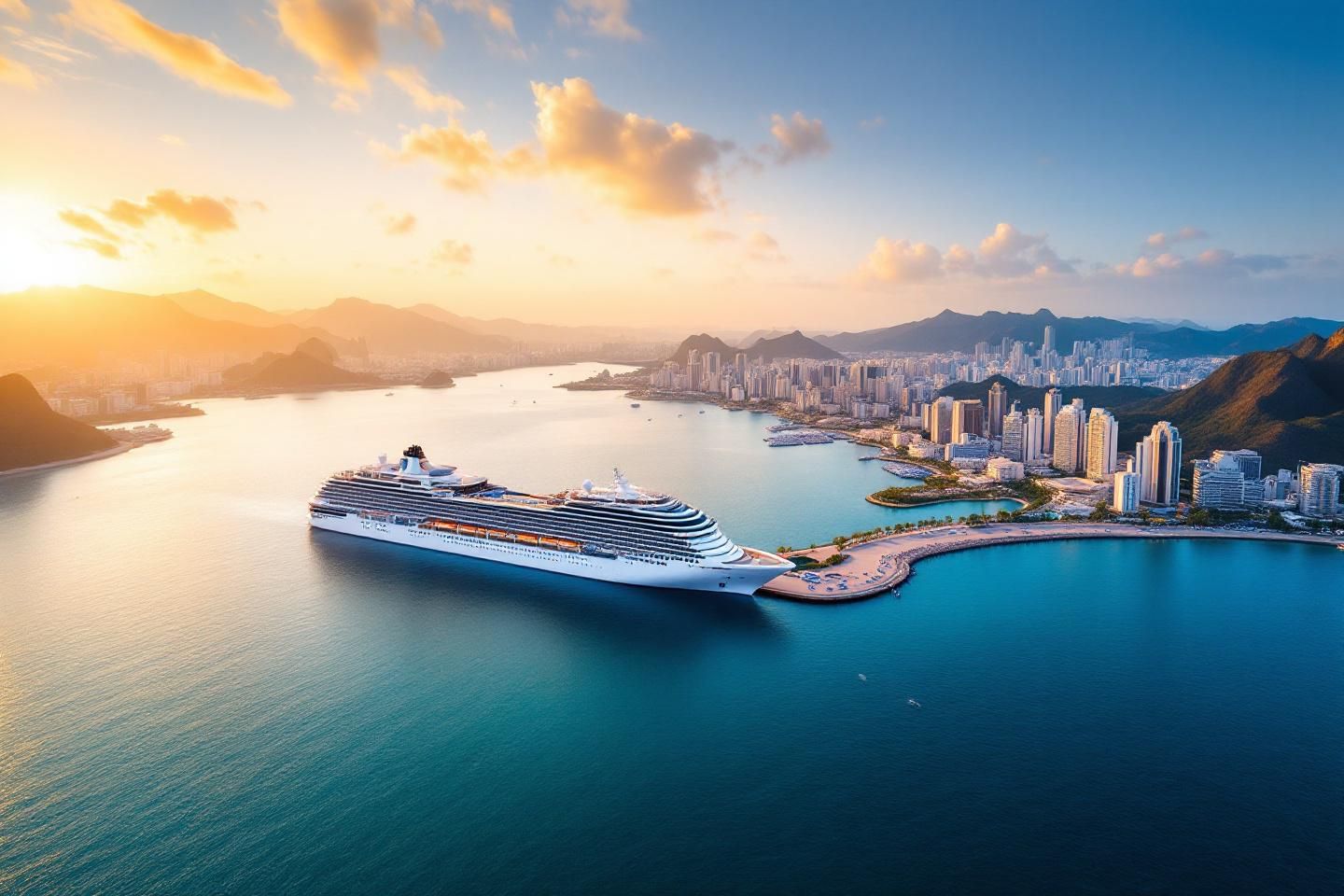
For a destination that spent years largely absent from cruise itineraries, Acapulco just received one of the most significant votes of confidence the industry can offer. Global Ports Holding (GPH), the world’s largest cruise port operator, has secured a 24-year concession to operate and develop Acapulco’s cruise port — a deal that, as Caribbean Journal reported on April 11, marks the company’s very first foothold in Mexico.
This is not a small bet. When the world’s most powerful cruise port operator signs a nearly quarter-century agreement on a destination, it tells you something about where the industry thinks that destination is headed.
A Port With a Past — and Apparently, a Future
Acapulco holds a unique place in the history of Mexican tourism. It was the country’s first major port and for decades served as the glamorous gateway to the Mexican Pacific, a destination synonymous with cliff divers, beachfront hotels, and old Hollywood glamour. Then came years of security concerns that effectively pushed the city off the cruise circuit.
The recovery has been slow and uneven. But it has been real. Carnival Cruise Line recently returned to Acapulco after an extended absence — a signal that at least one of the industry’s major players had decided the risk-reward calculation had shifted. GPH’s 24-year concession suggests the calculation has shifted considerably.
What GPH Is Actually Bringing to the Table
Under the terms of the deal, GPH will take over operations across approximately 17,199 square meters of terminal area and plans to roll out improvements in phases. The focus areas include enhanced passenger flow systems, terminal renovations, expanded retail, and new shore excursions designed to connect visitors more meaningfully with local culture and experiences.
The company isn’t working in isolation, either. GPH Chairman and CEO Mehmet Kutman confirmed the company will work closely with cruise line partners and local stakeholders to introduce new destination experiences and “shore-side concepts” intended to make Acapulco a more compelling stop on Pacific and Mexican Riviera itineraries.
GPH’s Regional Director Mike Maura emphasized the port’s strategic value within Pacific cruise routes and the company’s focus on operational efficiency and passenger safety — two factors that have historically been question marks for the destination.
Operations are expected to begin as early as Q2 2026, which means this is not a distant promise. It is effectively happening now.
A New Pier Is Coming — and It Changes Everything
Perhaps the most tangible piece of this announcement is the infrastructure development running alongside GPH’s operational takeover. Mexico’s port authority, ASIPONA, will construct a brand new 350-meter cruise pier capable of accommodating larger, modern vessels. That berth is scheduled for completion in Q1 2027, using public funds.
This matters more than it might initially seem. One of the persistent limitations of smaller or recovering cruise ports is that they simply cannot physically accommodate the newest, largest ships in any fleet. A 350-meter berth changes that equation for Acapulco entirely. Ships that previously could not call there — or operators who couldn’t justify the logistics — will have a new reason to look at the Pacific coast of Mexico differently.
Why This Story Is Bigger Than One Port Deal
GPH already operates some of the most-visited cruise ports in the world — Nassau, San Juan, Antigua, and Saint Lucia among them. When a company with that portfolio picks a new market to enter, and does so with a 24-year commitment rather than a short-term trial, it reflects genuine confidence that the destination can sustain cruise traffic at a meaningful scale.
For passengers, what this ultimately means is more options. More ships calling at Acapulco means more Mexican Riviera and Pacific itineraries to choose from, and a destination experience that should improve year over year as GPH’s phased investment plan takes hold.
Acapulco has been a story of potential deferred for a long time. The GPH concession doesn’t guarantee anything — ports and destinations are always works in progress. But it does suggest that the industry’s most experienced cruise port operator looked at Acapulco and saw something worth building toward. That, on its own, is a meaningful development for anyone planning a Pacific coast sailing in the years ahead.
We’ll be watching closely as operations ramp up later this year.