
The Cruise Industry Is Spending $80 Billion on New Ships — Here's What That Means for You
Cruise lines have 79 new ships on order worth $80 billion, set to deliver nearly 205,000 new berths by 2037. Here's what the biggest shipbuilding boom in cruise history means for passengers.
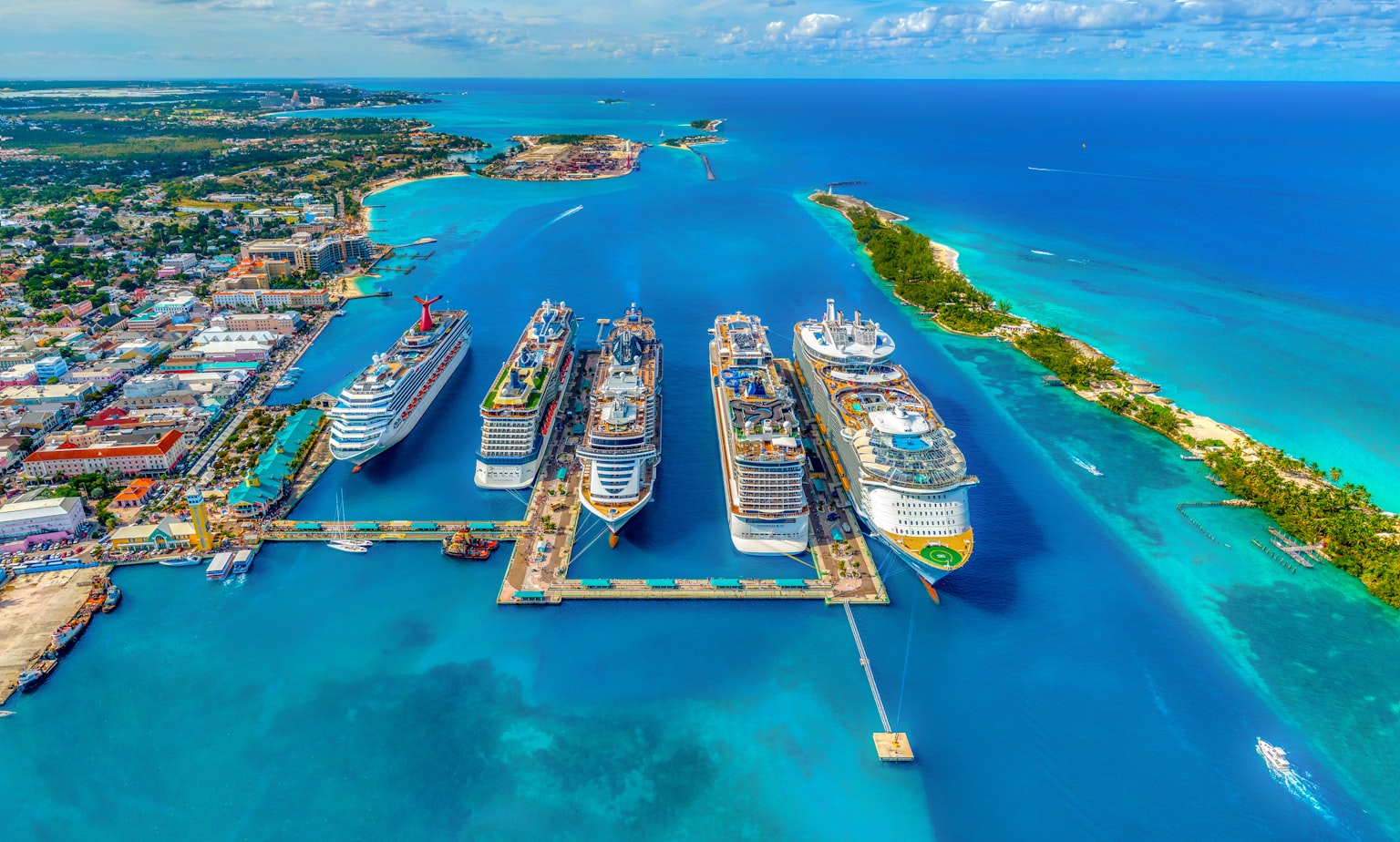
If you’ve ever felt like cruise ships keep getting bigger, newer, and more packed with features every time you step aboard, you’re not imagining things. The cruise industry is in the middle of the most ambitious shipbuilding expansion in its history — and a new report makes the sheer scale of it almost hard to believe.
According to Cruise Industry News, cruise lines are on track to invest roughly $80 billion in new ships through 2037. That’s 79 vessels. Nearly 205,000 new passenger berths. And an average price tag of approximately $1 billion per ship.
Let that sink in for a moment: one billion dollars. Per ship. Seventy-nine times over.
The Numbers Behind the Boom
The updated global cruise ship orderbook paints a picture of an industry betting heavily on its own future. Those 79 newbuilds aren’t spread over a century — they’re all slated for delivery within roughly the next decade, with 13 ships alone entering service just this year in 2026.
The average vessel coming out of these shipyards measures 115,486 gross tons and carries around 2,586 passengers at double occupancy. To put that in perspective, that’s larger than the ships that were considered mega-vessels just fifteen years ago. The baseline has shifted dramatically, and it keeps shifting upward.
The pace of ordering has also accelerated in recent months. Earlier this year, Norwegian Cruise Line Holdings placed an order for three new vessels to be built at Fincantieri between 2036 and 2037 — extending its already-massive commitment to fleet growth across its Norwegian, Oceania, and Regent Seven Seas brands. NCLH currently leads all corporate groups in terms of ships on order, with 17 vessels across its three brands representing $21 billion in value and nearly 47,000 new berths.
MSC Cruises isn’t far behind. The Geneva-based line inked a deal with Germany’s Meyer Werft shipyard for four large ships to be delivered between 2030 and 2034, bringing MSC and its luxury sister brand Explora Journeys to 14 ships on order — a combined investment of $21.1 billion and over 52,000 berths. That’s a staggering commitment from a privately held company that has quietly built one of the most aggressive growth strategies in the industry.
Royal Caribbean Group added two new Discovery-class ships to its order slate, slated for delivery between 2029 and 2032, bringing its current orderbook to 10 vessels valued at $10.5 billion. Meanwhile, Viking has continued expanding with two new expedition ships plus options for additional ocean vessels. And Atlas Ocean Voyages announced plans for a 400-passenger luxury sailing ship — a reminder that this boom isn’t just about mega-ships.
2026 Is Already a Landmark Year
The orderbook news comes at a moment when the industry is also celebrating a record-setting delivery year. Thirteen ships are entering service in 2026, adding 27,107 new berths to the global fleet in a single calendar year. That group includes Norwegian Luna (recently delivered by Fincantieri), Royal Caribbean’s Legend of the Seas — the third ship in the record-breaking Icon class — as well as Viking Mira, the Orient Express Corinthian, and the Magellan Discoverer, among others.
Next year looks even busier: 15 ships are scheduled for delivery in 2027.
What This Means for Cruise Passengers
So why should you care about shipyard contracts and delivery schedules? Because this wave of new ships is going to reshape what cruising looks like — and what it costs — for years to come.
More choices, potentially better prices. When supply increases, competition intensifies. Cruise lines fighting for passengers across a larger fleet tend to offer more aggressive promotions, early-booking incentives, and added-value perks to fill those berths. If you’ve been waiting for the right moment to book that dream cruise, a market flush with new capacity is often a favorable one for consumers.
Newer ships mean newer experiences. The vessels being designed today bear little resemblance to what was on the water even ten years ago. We’re talking about hybrid and hydrogen-powered propulsion systems (Viking Libra, launching in December 2026, is set to become the world’s first hydrogen-powered cruise ship), increasingly sophisticated entertainment technology, expanded suite categories, private island destinations purpose-built for specific ships, and onboard amenities that blur the line between resort and vessel.
More itinerary variety. A larger global fleet means cruise lines can deploy ships to more destinations simultaneously without cannibalizing their own core markets. Expect to see more ships committed to year-round operations in places like Asia, the Middle East, and South America — regions that have historically received only seasonal or limited service.
But there are questions worth watching. An $80 billion buildout assumes continued strong demand, stable fuel and operating costs, and enough port infrastructure around the world to handle significantly larger ships calling on popular destinations. Some ports — particularly in Europe — are already grappling with overtourism concerns and vessel size restrictions. How those tensions resolve will shape where these future ships actually sail.
The Industry’s Vote of Confidence
Perhaps the most striking thing about this orderbook isn’t any single number — it’s what the collective commitment signals. In an era of economic uncertainty, geopolitical friction, and ongoing debates about the environmental footprint of large-scale tourism, the world’s major cruise lines are placing billion-dollar bets that demand for cruising will not just hold steady but grow substantially over the next decade.
It’s a remarkable vote of confidence in an industry that has proven remarkably resilient. And for the millions of people who choose cruising as their preferred way to see the world, the ship that takes them to their next destination may well be one that hasn’t even been laid down yet.
Source: Orderbook Update: Cruise Lines to Invest $80 Billion in New Ships by 2037 — Cruise Industry News, April 2026