800+ Landings, 30 Voyages, and a World Record: Aurora Expeditions' Antarctic Season Was Unlike Any Other
Aurora Expeditions wrapped its biggest Antarctic season ever: three ships, 30 voyages, 819 landings, and the southernmost passenger voyage on record.
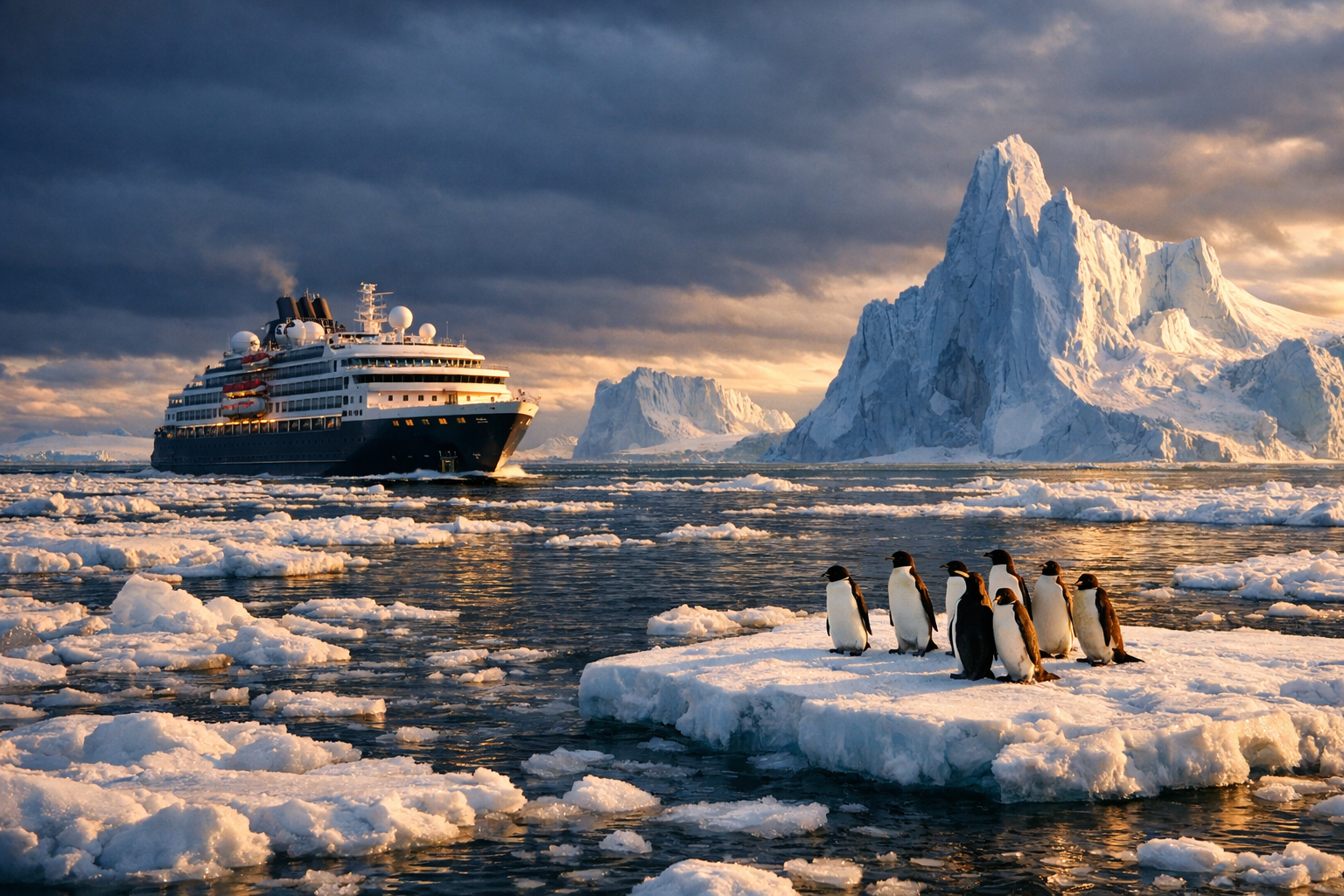
The 2025-26 Antarctic season is over — and for Aurora Expeditions, it ended with records that will be difficult to top. The Australian expedition cruise operator has wrapped what it calls its most significant season in its 35-year history, a program that stretched to 30 voyages, facilitated an estimated 819 landings on the ice, and delivered a genuine world record: the southernmost passenger voyage in history.
According to Cruise Industry News, the season welcomed a 30 percent increase in expeditioners year-over-year, drawing travelers from 56 nationalities — a figure that reflects how broadly the appetite for polar adventure has grown.
Three Ships in Antarctica at the Same Time
The headline achievement underpinning the season’s scale was a first for the company: Aurora Expeditions operated three ships simultaneously in Antarctica. That had never happened before in the line’s history.
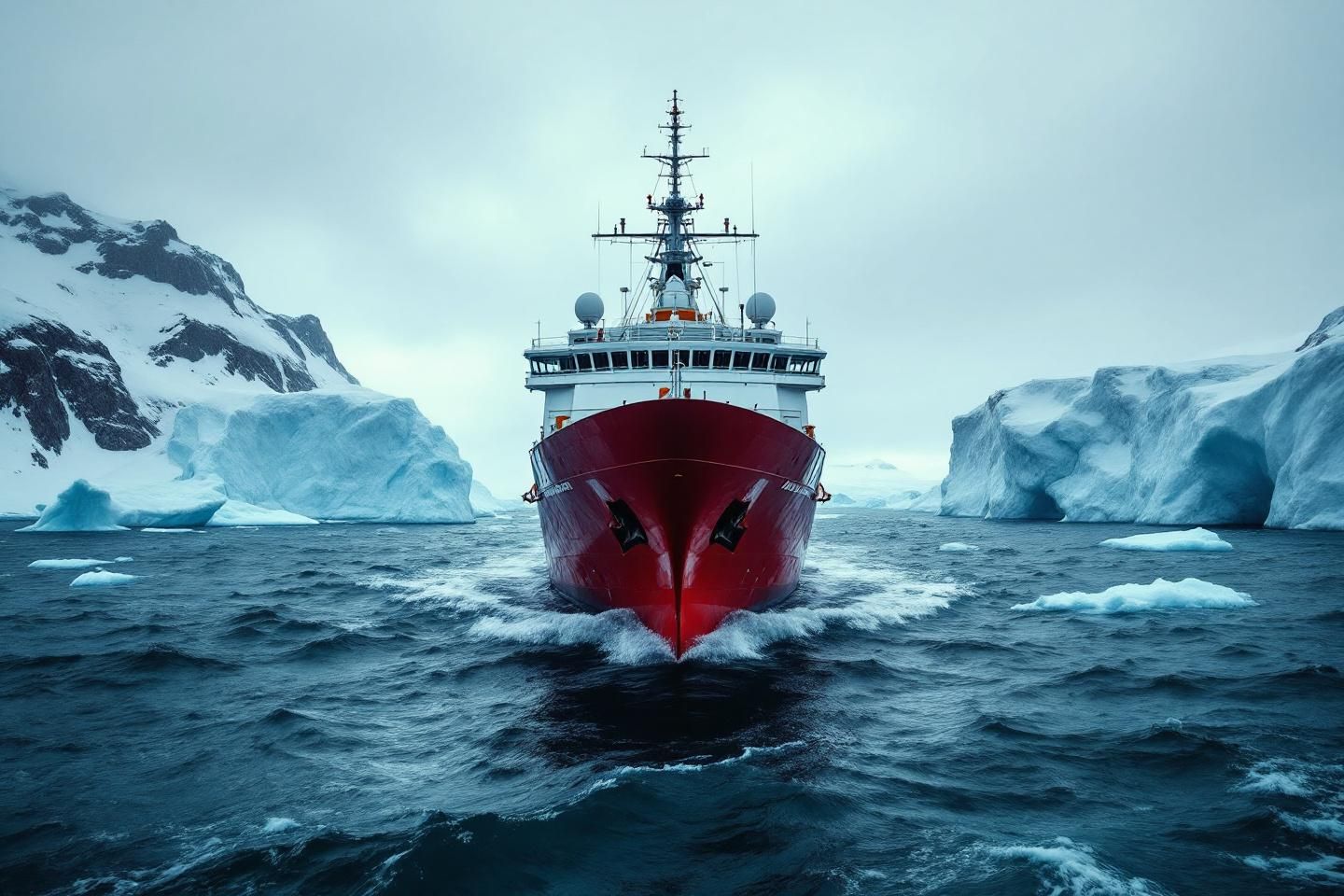
The milestone was made possible by the November 2025 launch of its newest vessel, the Douglas Mawson, which made its inaugural Antarctic season this year alongside the company’s two existing ships. The addition didn’t just add capacity — it enabled entirely new itinerary possibilities, including a return to East Antarctica for the first time in 15 years, a region rarely accessible to expedition cruise passengers.
The Douglas Mawson wasted no time making its mark. On one of its southernmost sailings, the ship reached 78 degrees 44.405 minutes south — a position the company says represents the southernmost voyage in history by a passenger vessel. It’s the kind of record that underscores just how far expedition cruising has pushed into waters once considered the exclusive territory of scientific research programs.
Active Antarctica: Rethinking What an Expedition Looks Like
Aurora also used this season to debut a new voyage format called Active Antarctica, which bundled 14 activities into the included fare. Kayaking, snowshoeing, hiking, and mountaineering — experiences that were previously sold as premium add-ons across much of the industry — became core parts of the product rather than optional extras.
It’s a meaningful shift in how expedition cruising packages the adventure component. The Active Antarctica format essentially removes the friction of deciding which experiences to pay extra for, letting passengers lean fully into the destination without managing a separate budget for activities on top of their voyage cost. For the adventure-minded traveler the model is designed to attract, that’s a compelling proposition.
The season also recorded 2,835 polar plunges — the ritual of jumping into near-freezing Antarctic waters that has become something of a rite of passage for expedition cruise passengers — and delivered 269 on-board lectures, a nod to the educational dimension that separates expedition cruising from mainstream ocean travel.
Technology That Belongs in Antarctica
Perhaps the most forward-looking aspect of the season was the introduction of technology Aurora is positioning as part of its long-term operational identity.
The company deployed AI-powered routing technology for the first time in Antarctica, using machine learning to optimize course planning around ice conditions, weather patterns, and landing opportunities. Combined with drone-supported scouting for real-time assessment of ice and potential landing sites, the result is a more responsive, safer approach to navigating one of the world’s most unpredictable environments.
Aurora also introduced microplastic filtration systems aboard its ships — equipment that actively captures microplastics from the water column as the vessels move through it. In a region as environmentally sensitive as Antarctica, where tourism operators are held to strict conduct standards, the deployment of active filtration technology signals a commitment beyond the baseline regulatory minimums.
Science as a Passenger Activity
One of the more quietly remarkable aspects of the season was the scale of passenger participation in genuine scientific research. Expeditioners contributed thousands of hours to citizen science programs covering whale and seabird monitoring, oceanographic data collection, and polar ecosystem observation. These weren’t passive experiences — passengers were contributing data to ongoing research initiatives with real scientific value.
The blurring of the line between tourist and researcher has become a defining characteristic of modern expedition cruising, and Aurora’s season is a compelling example of how far that model has developed. Travelers aren’t just witnesses to Antarctica — they’re contributing to its study and, by extension, to the case for its protection.
What the Numbers Say About Expedition Cruising’s Trajectory
The 30 percent growth in expeditioners that Aurora reported this season doesn’t exist in isolation. It’s part of a broader pattern across polar cruise operators that points to sustained, significant demand for Antarctic travel — demand that is outpacing much of the mainstream cruise sector.
CEO Michael Heath framed the season as evidence of “growing demand for deeper, more immersive exploration,” and the numbers bear that out. The fact that Aurora could fill three ships simultaneously in Antarctica, including a brand-new vessel on its debut season, suggests the market has absorbed a meaningful capacity increase without softening.
That matters not just for Aurora but for the expedition cruise industry as a whole. As more operators expand their polar fleets and push further into previously undervisited regions like East Antarctica, the regulatory and environmental frameworks governing access to the continent will face increasing pressure. The Antarctic Treaty System and IAATO guidelines set the boundaries — but within them, the competition for the most extraordinary, most remote, most record-breaking Antarctic experience is accelerating.
The Bottom Line
Aurora Expeditions’ 2025-26 season is a benchmark. Three ships, 30 voyages, 819 landings, a world record, and a new vessel that announced itself by sailing further south than any passenger ship in history — that’s a season that will define the company’s next chapter.
For anyone considering an Antarctic expedition, it also serves as a useful reminder of how much the product has evolved. This is no longer a niche pursuit available only to the hardiest adventurers willing to accept spartan conditions. Modern expedition cruising offers immersive, technologically sophisticated voyages with genuine scientific participation, flexible adventure programming, and environmental commitments that go beyond compliance. Aurora’s record season is strong evidence that the market has noticed.
Related news
Expedition Cruising Is Booming, and Lindblad's Q2 Proves It
All Five Great Lakes — Finally: Hapag-Lloyd's 2027 HANSEATIC Inspiration Voyage Is a First for Expedition Cruising
A Deadly Virus Struck a Cruise Ship in the Middle of the Ocean — Here's What Passengers Faced