
Villa Vie Bets Big on Residential Cruising with New Holding Company Launch
Villa Vie Residences has formed Residential Cruise Holdings, a new holding company consolidating its residential cruise operations while positioning for fleet expansion and investment partnerships.
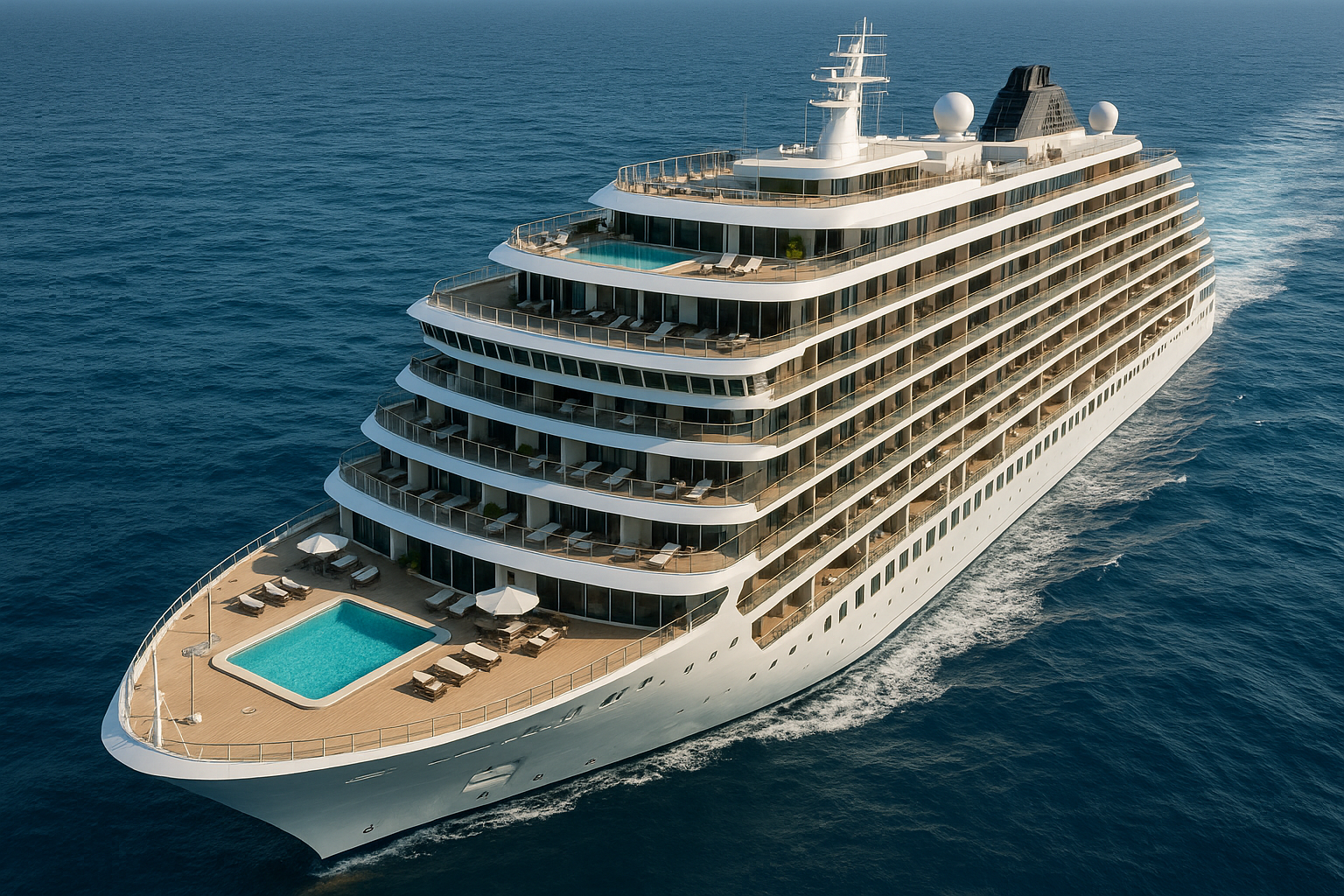
The residential cruise industry just gained a major player positioning itself for aggressive expansion. Villa Vie Residences, the company behind the Odyssey residential cruise ship, has formed a new holding company that signals ambitious plans to transform how people think about living at sea.
On December 15, 2025, Villa Vie registered Residential Cruise Holdings Incorporated (RCH) in the Marshall Islands, according to Cruise Industry News. The move consolidates Villa Vie’s existing operations while creating an umbrella organization designed to acquire additional luxury vessels and attract investment partners.
Beyond Traditional Cruising
What makes this development particularly interesting is how RCH positions itself in the market. The company explicitly states it’s “not a traditional cruise line” but rather offers a lifestyle product that blends the best aspects of travel with the security and permanence of home ownership.
This distinction matters. While conventional cruise lines sell vacation experiences measured in days or weeks, residential cruise companies like Villa Vie sell homes that happen to float. Residents purchase cabins outright or through extended leases, gaining the ability to live aboard indefinitely while the ship circles the globe on continuous itineraries.
The holding company structure suggests Villa Vie sees significant room for growth in this niche. RCH now serves as the parent organization for two brands: Villa Vie Residences, which operates the Odyssey, and Avora Residences, a new luxury brand behind the recently announced Project Lumina.
Leadership and Vision
Mikael Peterson, who founded Villa Vie, serves as executive chairman of the new holding company, while Kathy Villalba takes the CEO role. Together, they’re positioning RCH as “stewards of a new way of living” rather than simply ship operators.
According to the company’s website, RCH aims to “create and nurture world-class residential cruise ship communities that offer an unparalleled lifestyle.” That mission targets what the company calls “discerning individuals” seeking lifestyle flexibility, tax optimization opportunities, and alternatives to traditional land-based living.
The tax optimization angle deserves attention. For high-net-worth individuals, residential cruising offers potential tax advantages depending on their citizenship and how they structure their residency. Living aboard a ship registered in a favorable jurisdiction while spending limited time in any single country can create tax planning opportunities that simply don’t exist with conventional real estate investments.
Current Operations and Expansion Plans
Villa Vie Residences launched in 2022 and currently operates the Odyssey, a residential cruise ship offering both full ownership and rental options. The ship follows a continuous around-the-world itinerary, allowing residents to live aboard full-time or use their cabins periodically while renting them out during absences.
The new Avora Residences brand represents the company’s push upmarket. Project Lumina, announced recently, will operate aboard a “yet-to-be-acquired upscale cruise ship,” according to the source article. The company plans to purchase an existing luxury vessel and convert it for residential use, a strategy that typically proves faster and more cost-effective than new construction.
This acquisition strategy makes particular business sense in the current market. Several luxury cruise ships built in recent decades are approaching the age where cruise lines might consider replacing them, creating potential acquisition opportunities for residential operators willing to invest in refurbishments and conversions.
Investment Opportunities
Perhaps most significantly, RCH is actively seeking investment partners to help fund its expansion. The company’s website promotes investment opportunities for partners “aiming at shaping the future of residential cruise ship living.”
This fundraising effort suggests Villa Vie has identified substantial demand for residential cruise options beyond what single-ship operations can serve. The residential cruise market sits at the intersection of real estate, hospitality, and cruise industries—three sectors that together represent massive capital flows and sophisticated investors.
For investors, residential cruise operations offer different economics than traditional cruise lines. Revenue comes from property sales and long-term leases rather than weekly ticket sales, creating more predictable cash flows. Operating costs remain substantial, but the business model doesn’t depend on maintaining high occupancy rates across short booking windows the way conventional cruises do.
Market Context
The timing of RCH’s formation coincides with growing interest in alternative living arrangements among affluent individuals and retirees. The COVID-19 pandemic demonstrated that many knowledge workers and retirees could maintain their lifestyles while geographically mobile. Digital nomad visas, remote work arrangements, and improved connectivity have made location-independent living increasingly feasible.
Residential cruising takes this concept to its logical extreme. Rather than establishing a base in one country while traveling periodically, residential cruise residents make travel itself their permanent lifestyle. The ship becomes a mobile home base that continuously explores new destinations while providing consistent amenities, social connections, and services.
The concept appeals to multiple demographics. Wealthy retirees seeking adventure without the complications of maintaining multiple properties or constantly rebooking travel. Remote workers who want to experience different cultures while maintaining stable living conditions. Even families choosing unconventional educational experiences for their children through world travel.
Challenges Ahead
Despite the appealing vision, residential cruising faces significant challenges. Converting and operating residential cruise ships requires enormous capital. Ships need extensive refurbishment to transform cruise cabins into proper residences with full kitchens, larger living spaces, and long-term livability features. Operating costs include fuel, port fees, crew salaries, maintenance, insurance, and countless other expenses that don’t decrease just because passengers stay longer.
Regulatory complexity adds another layer of difficulty. Residential cruise ships must navigate international maritime law, flag state regulations, port authority requirements, and the varying rules of every country they visit. Residents face their own regulatory challenges around visas, tax residency, healthcare access, and legal domicile.
The market itself remains relatively unproven at scale. While luxury residential developments at sea generate compelling marketing materials, the number of people actually willing to commit to full-time shipboard living remains unclear. Villa Vie’s decision to create a holding company and seek outside investment suggests confidence in market demand, but execution risk remains substantial.
What This Means for the Industry
RCH’s formation represents a bet that residential cruising will grow from a niche curiosity into a meaningful segment of both the cruise industry and luxury real estate market. If Villa Vie succeeds in acquiring additional ships and filling them with residents, it could validate the business model and attract competitors.
We’ve already seen other companies test residential cruise concepts with varying success. The World, a residential cruise ship that’s been operating since 2002, demonstrates the concept’s viability for ultra-wealthy individuals. Storylines, another residential cruise company, has promoted ambitious plans for custom-built residential vessels, though construction timelines have faced delays.
Villa Vie’s strategy of acquiring and converting existing luxury cruise ships rather than commissioning new construction might prove more sustainable. This approach requires less capital, avoids shipyard construction delays, and allows faster market entry. If Avora Residences successfully launches Project Lumina on a converted vessel, it could establish a playbook for scaling residential cruise operations.
The Bigger Picture
The formation of Residential Cruise Holdings ultimately reflects broader trends in how affluent individuals think about property, lifestyle, and permanent travel. As remote work normalizes, international mobility increases, and traditional retirement patterns evolve, alternative living arrangements that would have seemed eccentric a generation ago now attract serious interest and investment.
Whether RCH succeeds in building a portfolio of residential cruise ships remains to be seen. The company faces significant execution challenges, substantial capital requirements, and an unproven market. But the ambition behind forming a holding company, creating multiple brands, and actively seeking investment partners suggests Villa Vie believes the market for homes at sea extends well beyond a single ship.
For those who’ve dreamed of exploring the world without the hassle of constant packing, booking, and relocating, residential cruising offers an intriguing possibility. If Villa Vie’s expansion succeeds, living at sea might transition from a wealthy eccentric’s fantasy to a genuine lifestyle option for a broader segment of adventurous, location-independent individuals.