
Viking Changed Its Mind on Egypt — And the Reason Is More Complicated Than You Think
Viking reversed its decision to cancel all Nile river cruises, resuming sailings on March 12 after a closer look at State Department guidance revealed Egypt's risk level never actually changed.
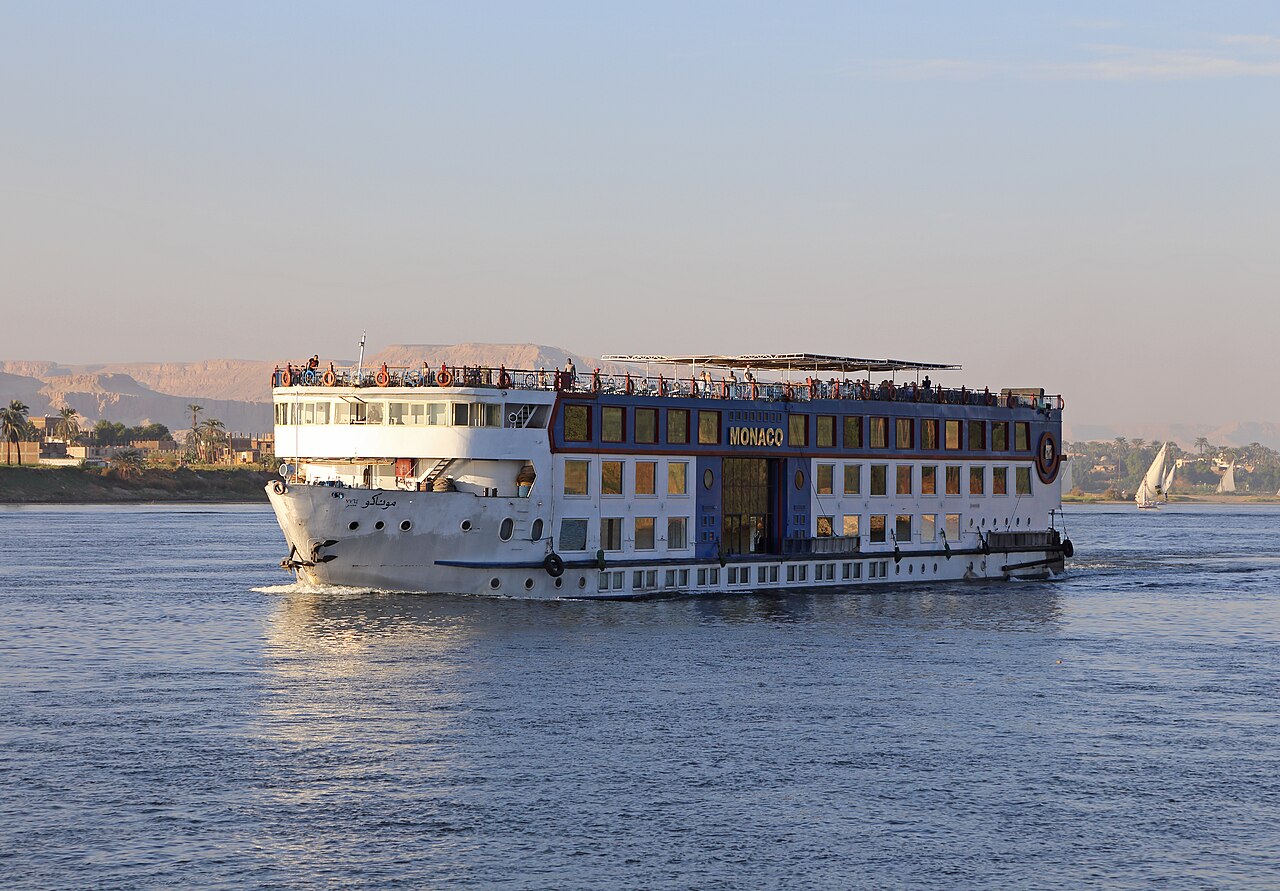
A week ago, Viking River Cruises was telling passengers their Nile sailings were off. Now, those same passengers are being told to pack their bags. The line reversed course on March 8, announcing it would resume all Egypt river cruise operations starting March 12, 2026 — far sooner than anyone expected.
The about-face is good news for travelers who had their trips cancelled. But the story behind it reveals something more interesting: a case study in how a travel advisory panic can spiral well beyond its actual risk, and how one cruise line’s willingness to read the fine print changed the outcome for thousands of passengers.
How a Social Media Post Triggered a Mass Cancellation
The chain of events started on February 28, when the U.S. Department of State issued a worldwide caution amid escalating tensions involving the U.S.-Iran conflict. That warning was accompanied by a social media post urging Americans in Middle Eastern countries — with Egypt explicitly named — to consider departing.
For Viking, the message seemed unambiguous. The line suspended all Nile departures through the end of March, cancelling more than 40 voyages and leaving passengers scrambling for refunds and rescheduling options. It was a significant and costly decision: Viking operates eight ships on the Nile, making it the largest Western cruise operator in Egypt. Grounding that entire fleet for a month is not a small thing.
Other river cruise lines reached different conclusions. AmaWaterways and Uniworld Boutique River Cruises declined to cancel their Egypt sailings. Avalon Waterways halted operations through March 31. Tauck pulled itineraries through mid-March. The industry’s response was fragmented — a reflection of genuine uncertainty about what, exactly, the guidance meant.
The Detail That Changed Everything
When Viking dug deeper into the formal State Department travel advisory framework — the tiered, country-specific designations that carry official weight — Egypt’s status told a different story than the social media post did.
Egypt remained at Level 2: Exercise Increased Caution. That’s the same level as France, the United Kingdom, and Germany. It had not been elevated. The social media post urging Americans to “consider departing” Middle Eastern countries had created a perception of imminent danger that the formal advisory system simply did not reflect.
Viking stated that the official travel advisories had been clarified, and the current advisory for Egypt remained the same as it was prior to the start of the recent conflict.
The distinction matters. The Level 4 “Do Not Travel” designation in Egypt applies to Northern Sinai — a remote region that has nothing to do with standard Nile cruise routes, which operate between Luxor and Aswan in the country’s southern interior. The U.S. Embassy in Cairo was also operating normally as of March 4.
Consulting the People Who Actually Know Egypt
Viking’s reversal was not purely a paper exercise in advisory classification. The line also consulted with what it described as longtime ground operators in Egypt before reinstating its sailings. These are the local professionals — tour guides, port handlers, logistics coordinators — who have eyes on the ground and understand the day-to-day reality of operating in Egypt independent of the geopolitical noise emanating from elsewhere in the region.
That kind of on-the-ground intelligence is something no State Department advisory can fully capture. Egypt’s Nile corridor, running through some of the most visited archaeological sites on earth, is a world unto itself — physically removed from the Sinai, from Gaza, and from the Gulf tensions driving broader regional anxiety.
For passengers who’ve sailed the Nile before, this will come as no surprise. The route between Luxor’s temples and Aswan’s granite quarries has been welcoming international visitors for more than a century, and even during periods of regional turbulence, it has remained one of the world’s most trafficked heritage tourism destinations.
What the Competitors Are Doing
The divergent responses across river cruise lines are worth paying attention to, because they illuminate the different risk calculus operators apply — and who ends up with the most cancellations and unhappy customers when uncertainty resolves.
Avalon is maintaining its cancellation through March 31 even as Viking returns to operation March 12. Tauck suspended through mid-March. These are not reckless companies — they made good-faith decisions in a moment of genuine ambiguity. But Viking’s decision to examine the formal guidance rather than react to the social media messaging means its passengers get back on the water nearly three weeks earlier than Avalon’s.
For travelers, this divergence underscores a lesson that comes up again and again in cruise disruptions: not all cancellations are created equal, and the operator’s interpretation of events shapes the passenger’s experience as much as the underlying situation itself.
What It Means for Egypt’s Tourism Sector
Beyond the cruise industry’s internal dynamics, Viking’s return carries broader significance. Egypt’s tourism economy is heavily dependent on river cruise traffic, and the Nile corridor is particularly vulnerable to perception-driven disruptions. When a major Western operator pulls out of the region — even temporarily — it sends a signal that ripples through hotels, local guides, antiquities sites, and the surrounding communities that depend on tourist spending.
Viking resuming operations on March 12 is being closely watched by the wider travel industry as an early indicator of whether confidence in the region can be restored quickly. With eight ships returning to the Nile and a program running through 2026, the answer, at least from Viking’s perspective, is yes.
The episode is also a reminder that travel advisories are tools with limitations. They are blunt instruments calibrated for a wide range of audiences and situations, and they do not always distinguish between regions that share a country name but have radically different risk profiles. Operators who invest in understanding those nuances — rather than defaulting to the most conservative interpretation of every warning — tend to serve their passengers better when the dust settles.
For the travelers who had front-row seats to all of this: if your March Nile sailing was cancelled and you’re now being told it’s back on, welcome to one of the more unusual cruise reinstatements in recent memory. The temples of Karnak will be there when you arrive.
Source: Parade