
4 Polar Ships by 2031: Viking Is Making a Very Big Bet on Expedition Cruising
Viking signed a deal with Fincantieri for two new polar-class expedition vessels scheduled for 2030 and 2031. Combined with options for two ocean ships, the commitment exceeds 2 billion euros and signals massive confidence in expedition cruising demand.
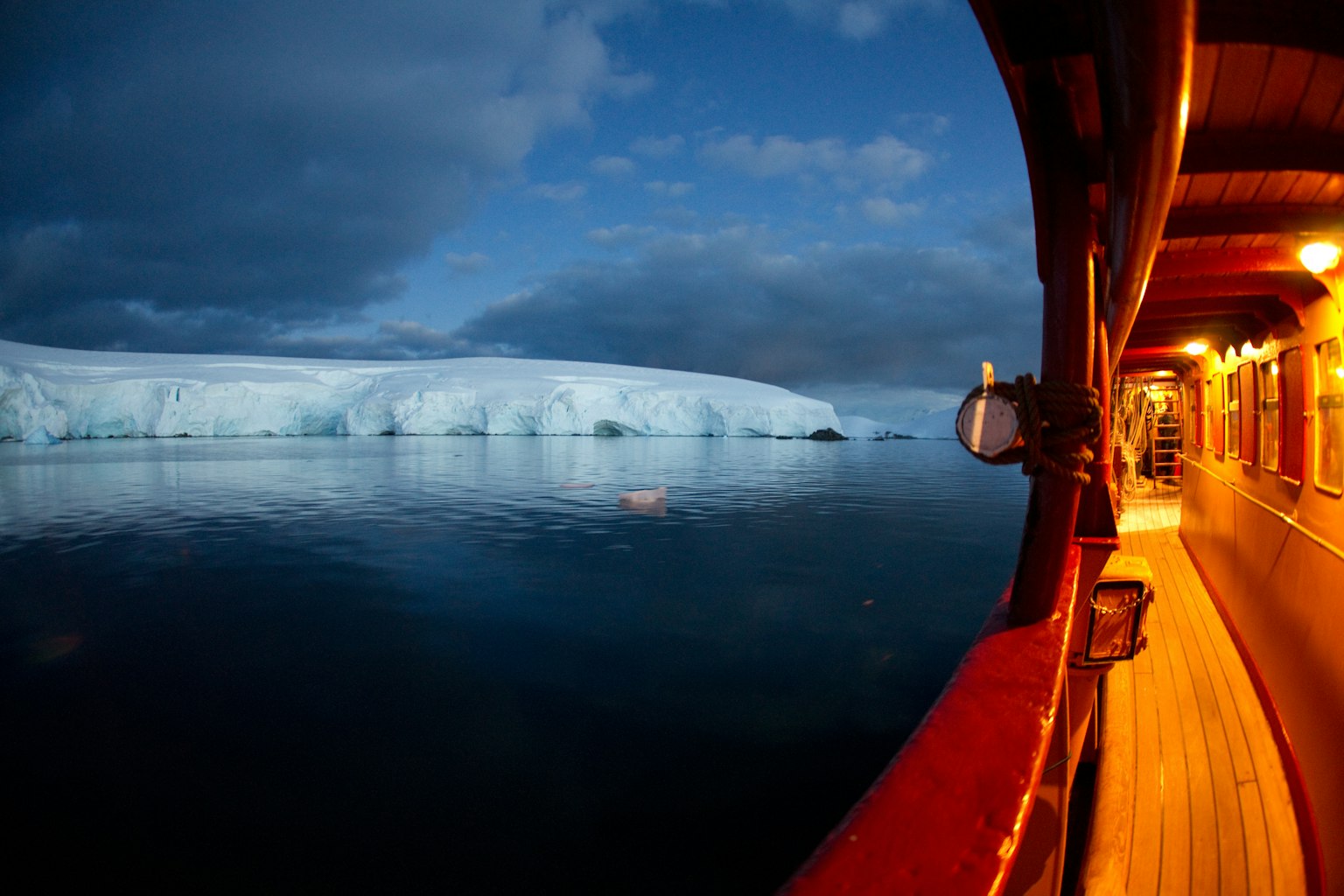
Viking made a significant move this week, signing a deal with shipbuilder Fincantieri for two new polar-class expedition vessels — and the numbers behind the announcement suggest this isn’t just fleet expansion for the sake of it. It’s a calculated bet that the appetite for remote, immersive travel at sea is only getting started.
According to Cruise Industry News, the two new expedition ships are scheduled for delivery in 2030 and 2031, and will be built at Fincantieri’s Palermo shipyard. Each vessel will accommodate 378 guests across 189 staterooms and carry Polar Class 6 certification — meaning they’re engineered for safe operations in Arctic and Antarctic waters. That brings Viking’s polar-class fleet to four ships by 2031, joining the existing Viking Octantis and Viking Polaris.
But the expedition order is only half the story. Viking also signed option agreements for two additional ocean ships slated for 2034 delivery, each capable of carrying 998 guests. The full package is valued at over €2 billion.
Why Viking Is Moving Now
The timing of this announcement is worth understanding in context. When a cruise line signs a deal of this size — ordering ships set for delivery four to five years from now — it’s not reacting to current demand. It’s projecting future demand with serious conviction.
And Viking has the data to back it up. The company reported that 86% of its 2026 capacity is already sold, with approximately $6 billion in advance bookings on the books. Revenues for 2025 came in at $6.5 billion, up 22% year over year. Leah Talactac, Viking’s President and CFO, said the company is “seeing robust demand across our products, from both repeat guests and new-to-brand customers.”
That kind of forward visibility is rare in any business. In the cruise industry, it’s a green light to build.
The Expedition Segment Is No Longer a Niche
For most of cruise history, expedition voyages were a specialty category — expensive, logistically demanding, appealing to a narrow slice of ultra-adventurous travelers willing to trade deck parties for penguin colonies and zodiac landings. That’s changing.
The broader cruise market has spent years watching expedition’s growth and starting to take it seriously. Lines like Hurtigruten, Ponant, Silversea, and Seabourn have all invested heavily in polar and remote-destination vessels in recent years. The segment has shifted from fringe to mainstream-adjacent, attracting travelers who want meaningful destination immersion rather than resort-style entertainment.
Viking spotted this trend early. The company launched Viking Octantis in 2022 and Viking Polaris shortly after — both vessels purpose-built for extreme-environment exploration — and clearly liked what it saw in terms of demand. Doubling the polar fleet by 2031 is a direct extension of that thesis.
What Makes These Ships Different
The new vessels will be sister ships to Viking Polaris, which means prospective passengers already have a reference point for what to expect. The design features ice-strengthened hulls, a straight bow for Arctic ice navigation, U-tank stabilizers for rough sea conditions, and extended hull sections that improve maneuverability in tight polar waters.
Polar Class 6 certification is the operative phrase here. It means these ships aren’t simply styled to look adventurous — they’re engineered to operate safely in first-year medium ice, which is the category that covers most Arctic and Antarctic cruise routes. That’s a meaningful technical distinction that separates genuine expedition vessels from ships that simply visit cold-weather ports.
The Ocean Ship Options Tell a Parallel Story
The option agreements for two ocean ships in 2034 deserve equal attention, even if they’re less dramatic. Viking’s ocean fleet is built around a standardized 998-guest, 54,300-gross-ton design — a format the company has now deployed across 11 operating ships. Securing options for two more through 2034 signals continued confidence in that model.
The exercise deadline for those options is July 30, 2028, giving Viking roughly two and a half years to decide whether to convert them to firm orders. Given the company’s current booking trajectory, it would be surprising if those options didn’t get exercised.
What This Means for Travelers Planning Ahead
If polar and expedition cruising is on your bucket list, the practical takeaway is straightforward: start planning earlier than you think you need to. Viking’s strong advance booking position means the best itineraries and cabin categories on existing ships sell far ahead of departure. The new vessels coming in 2030 and 2031 will eventually open for booking, but by the time they do, early interest will be intense.
For travelers weighing expedition lines, Viking’s continued investment signals a long-term commitment to the product. That’s meaningful when you’re comparing a line that’s doubling its polar capacity against one that operates a single expedition ship as a portfolio footnote.
The Bigger Picture
The cruise industry is currently in a period of aggressive fleet expansion across virtually every segment. What’s notable about Viking’s announcement is the clarity of its strategic logic: the company is profitable, heavily booked, generating billions in advance revenue, and using that position to lock in shipyard capacity for the next decade.
Whether the expedition demand curve holds through 2031 is a question no one can answer definitively. But Viking is clearly betting that travelers who want to stand on the edge of the Svalbard archipelago or cruise past Antarctic tabular icebergs aren’t going anywhere — and that the waiting list for that experience will only grow longer.
That’s a bet we find difficult to argue with.