
China's Cruise Capital Just Rewrote The Rules—And 'Cruises to Nowhere' Are Coming Back
Shanghai approved sweeping new cruise regulations taking effect March 1, 2026, including provisions for "cruises to nowhere" and mandatory shore power systems.
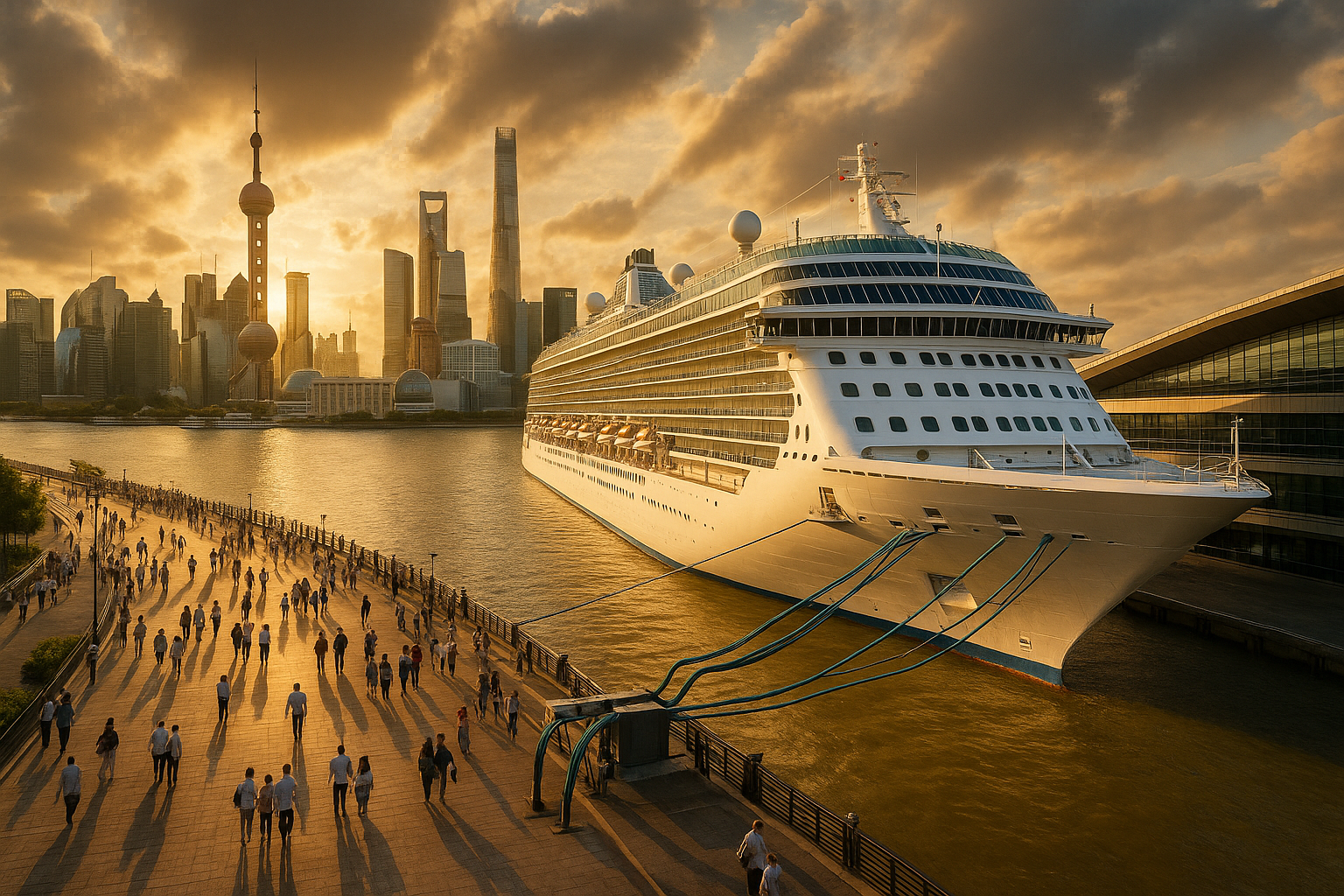
Shanghai has long dominated Asia’s cruise market, but the city just made a bold move that could reshape the entire region’s cruise landscape. On December 31, 2025, Shanghai’s legislative body approved sweeping new regulations designed to cement the port’s position as not just Asia’s largest cruise hub, but as a global leader in sustainable, innovative cruise operations.
The 27-article framework, which takes effect March 1, 2026, doesn’t just tinker around the edges—it fundamentally reimagines how cruise ships will operate in one of the world’s busiest ports. And buried in those regulations is a provision that cruise fans thought might never return: “cruises to nowhere.”
The Return of Cruises to Nowhere
Perhaps the most intriguing element of Shanghai’s new regulatory framework is the formal introduction of pilot operations for “cruises to nowhere”—round-trip sailings that depart from and return to Shanghai without calling at any intermediate ports.
According to CruiseMapper, international cruise ships will be permitted to operate within designated waters around Shanghai, offering guests the cruise experience without the complexity of multiple port calls. This concept, which gained popularity in Singapore and other Asian markets before the pandemic, allows passengers to enjoy shipboard amenities, dining, and entertainment during short getaways—perfect for first-time cruisers or those with limited vacation time.
For cruise lines, these sailings represent a significant opportunity. They require less complex logistics than multi-port itineraries, reduce fuel consumption, and can be marketed as weekend escapes rather than full vacations. For Shanghai, they represent a chance to attract domestic Chinese travelers who may not have passports or extended time off work.
Green Energy Takes Center Stage
Shanghai isn’t just thinking about passenger numbers—the new regulations place environmental sustainability at the forefront of port operations. The framework mandates accelerated installation of shore power systems throughout the port, with strong encouragement for home-ported cruise ships to utilize these facilities.
Shore power allows docked ships to plug into the local electrical grid rather than running their diesel engines for onboard power. This dramatically reduces air pollution, noise, and greenhouse gas emissions in port areas. By making shore power a regulatory priority rather than a voluntary option, Shanghai is sending a clear signal: the future of cruising in China will be cleaner.
The regulations also promote the adoption of alternative fuels and emerging energy technologies, positioning Shanghai as a testing ground for the next generation of sustainable cruise operations. As the global cruise industry grapples with increasingly stringent environmental requirements, Shanghai’s investment in green infrastructure could make it an even more attractive home port for cruise lines planning new deployments.
Port-City Integration: Beyond the Terminal
One of the more innovative aspects of the new framework is its emphasis on port-city integration. Rather than treating cruise terminals as isolated facilities, the regulations encourage development of cultural, tourism, commercial, sporting, and exhibition activities in waterfront districts and port-adjacent areas.
This holistic approach recognizes that cruise passengers represent more than just ship revenue—they’re potential customers for restaurants, shops, museums, and attractions throughout the city. By fostering vibrant waterfront development around cruise infrastructure, Shanghai aims to maximize the economic impact of its cruise industry while enhancing the experience for both passengers and local residents.
Imagine cruise terminals surrounded by bustling promenades, local markets, cultural centers, and parks—spaces where the line between “port area” and “city neighborhood” becomes beautifully blurred. That’s the vision Shanghai is pursuing.
The Numbers Behind the Ambition
Shanghai’s confidence in investing heavily in cruise infrastructure isn’t just wishful thinking—it’s backed by nearly two decades of proven success. Between 2006 and 2025, the city has welcomed over 3,500 cruise ship calls and served more than 18 million passengers.
Even more impressive? Shanghai accounts for over 60 percent of China’s entire national cruise market. The port ranks as Asia’s largest cruise home port and the world’s fourth-busiest cruise port overall. These aren’t the statistics of a market experimenting with cruising—this is a mature, established cruise destination doubling down on its strengths.
What This Means for the Future
Shanghai’s new regulations arrive at a pivotal moment for the global cruise industry. As cruise lines plan their Asian deployments for the coming years, ports that offer streamlined regulations, modern infrastructure, and environmental leadership will have a significant competitive advantage.
The formal framework for “cruises to nowhere” could spark a resurgence of this sailing style throughout Asia, particularly as cruise lines look for ways to introduce new passengers to cruising without the barriers of passport requirements or extended vacations. For China’s growing middle class, weekend cruises to nowhere from Shanghai could become as common as weekend getaways to beach resorts.
The environmental provisions also set a new standard for Asian cruise ports. As European and North American ports increasingly require shore power and alternative fuels, Shanghai’s proactive approach positions it as a leader rather than a follower in sustainable cruise operations.
Perhaps most importantly, Shanghai’s integrated approach to port development recognizes that successful cruise destinations don’t just move passengers efficiently—they create memorable experiences that start the moment ships dock and extend throughout the surrounding city.
As these regulations take effect on March 1, 2026, we’ll be watching closely to see which cruise lines take advantage of the new “cruises to nowhere” framework and how the investment in green infrastructure influences future deployments to Shanghai. One thing is clear: China’s cruise capital isn’t content to rest on its laurels—it’s building the blueprint for the next generation of cruise operations.
Source: https://www.cruisemapper.com/news/15692-shanghai-introduces-cruise-industry-regulations