
Royal Caribbean Picks 15 Alaskans to Compete for $20,000 in Community Business Accelerator
Royal Caribbean's inaugural Port Partners program in Seward, Alaska selects 15 local entrepreneurs to compete for seed funding while completing a 10-week business course—a model that could reshape how cruise lines invest in port communities.
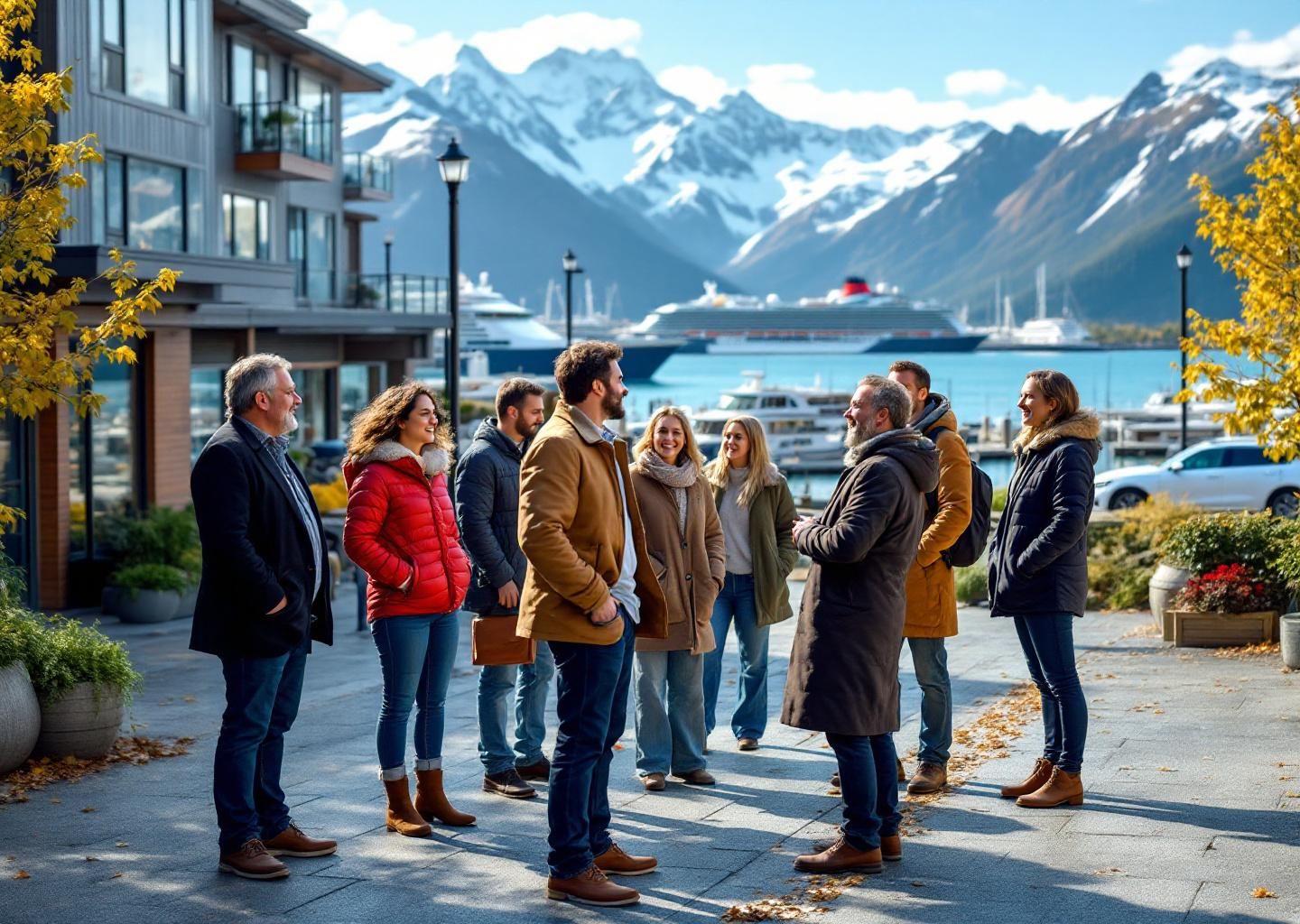
When Royal Caribbean Group announced it would develop a new cruise terminal in Seward, Alaska, locals had mixed feelings. More tourists meant more revenue, but would the community actually benefit beyond serving as a backdrop for vacation photos?
The cruise giant’s answer arrived this week in the form of 15 names—entrepreneurs selected for a first-of-its-kind business accelerator that could reshape how cruise lines interact with port communities. According to Royal Caribbean’s January 22 announcement, these finalists will compete for $20,000 in seed funding while completing a 10-week college-level business course designed to strengthen Seward’s entrepreneurial ecosystem.
It’s an unusual move for a cruise corporation—and it signals a significant shift in how the industry thinks about the places its ships visit.
What the Port Partners Program Actually Does
The inaugural class includes 15 Seward residents: Brendan Ryan, Calley Davenport, Clay Lambert, Elizabeth Dunn, Emerson Cross, Genevieve DeRoos, Heather Bardarson, James Natale, Josiah Bonner, Katherine Georgia, Morgan Shepard, Otto Nipp, Sydney Singer, Taylor Wilson, and Victoria Provenza.
These entrepreneurs will spend the next 10 weeks at the Alaska Vocational Technical Center (AVTEC) working through a comprehensive curriculum that covers supply chain management, legal processes, marketing strategies, and the practical realities of launching a small business in a seasonal tourism economy.
The course is taught by Greg Haas, a maritime instructor at AVTEC who also owns Stoney Creek Brewery—someone who understands both the educational theory and the on-the-ground challenges of running a business in coastal Alaska. Participants also receive one-on-one mentorship from established local entrepreneurs.
Upon completion, each participant earns three college credits from the University of Alaska system. But the real prize comes at the end: graduates pitch their business ideas to a panel of Seward business leaders, and one entrepreneur walks away with $20,000 to launch their venture.
Why This Matters Beyond Seward
Cruise tourism has long faced criticism for its extractive relationship with port communities. Ships arrive, passengers disembark for a few hours, spend money at a handful of approved vendors, and leave. Local businesses struggle to capture tourism dollars, and communities bear the infrastructure burden without seeing proportional economic benefits.
Royal Caribbean’s Port Partners program represents a different model—one where cruise companies actively invest in building sustainable local economies rather than simply using ports as scenic stops on an itinerary.
Preston Carnahan, Royal Caribbean’s Vice President of Destination Development, described the program’s impact: “Through Port Partners, it’s been a privilege to see first-hand Seward residents’ creativity and bold business ideas dedicated to seeing their community thrive.”
The focus on small business development is strategic. Stronger local economies create better experiences for cruise passengers, which benefits Royal Caribbean’s product. But it also addresses a fundamental tension in cruise tourism: how to grow the industry without hollowing out the communities that make destinations worth visiting in the first place.
The Bigger Picture for Cruise Destinations
Seward is the test case, but Royal Caribbean has indicated that Port Partners could expand to other destinations worldwide. If successful, the program could become a template for how cruise lines engage with port communities—moving from transactional relationships to genuine partnerships.
For cruisers, this matters because destination quality directly impacts vacation experiences. Port cities with thriving local businesses offer more authentic dining, shopping, and cultural experiences than ports dominated by chain retailers and cruise line-affiliated vendors.
The program also addresses workforce development in seasonal economies. Many Alaska communities struggle with boom-and-bust cycles tied to summer tourism. By supporting year-round businesses and entrepreneurship, Port Partners could help stabilize local economies and reduce the economic volatility that makes it difficult for port communities to plan and invest in infrastructure.
What Happens Next
The 15 finalists are currently working through their curriculum at AVTEC. Over the next 10 weeks, they’ll develop business plans, work with mentors, and prepare their final pitches. The winner will be announced after graduation, with $20,000 in seed funding ready to deploy.
Royal Caribbean hasn’t announced which other destinations might receive Port Partners programs, but the company has stated that community development is a priority in places it visits worldwide. Given the cruise industry’s rapid expansion—particularly in Alaska, where new terminals and increased capacity are creating both opportunities and tensions—programs like this could become essential tools for managing growth sustainably.
For Seward, the immediate impact is clear: 15 residents will gain business education, college credits, mentorship, and the chance to launch ventures that serve both their community and the tourists who visit. For the cruise industry, Seward is a laboratory for testing whether cruise corporations can be genuine partners in destination development rather than just visitors.
Greg Haas, the program’s instructor, captured the philosophy: “Port Partners is built on trust, time, and real opportunity—values that matter deeply in Seward.”
Whether other cruise lines and destinations follow this model remains to be seen. But for now, 15 Alaskans have a chance to build something lasting in their community—and the cruise industry is watching to see what they create.