
Royal Caribbean Asks Passengers to Voluntarily Give Up Their Cruise Cabins—And the Compensation Package Is Generous
Royal Caribbean offered select Oasis of the Seas passengers a full refund plus 50% future cruise credit to voluntarily cancel their February 7 sailing—a sign of an overbooking situation with unusually generous compensation.
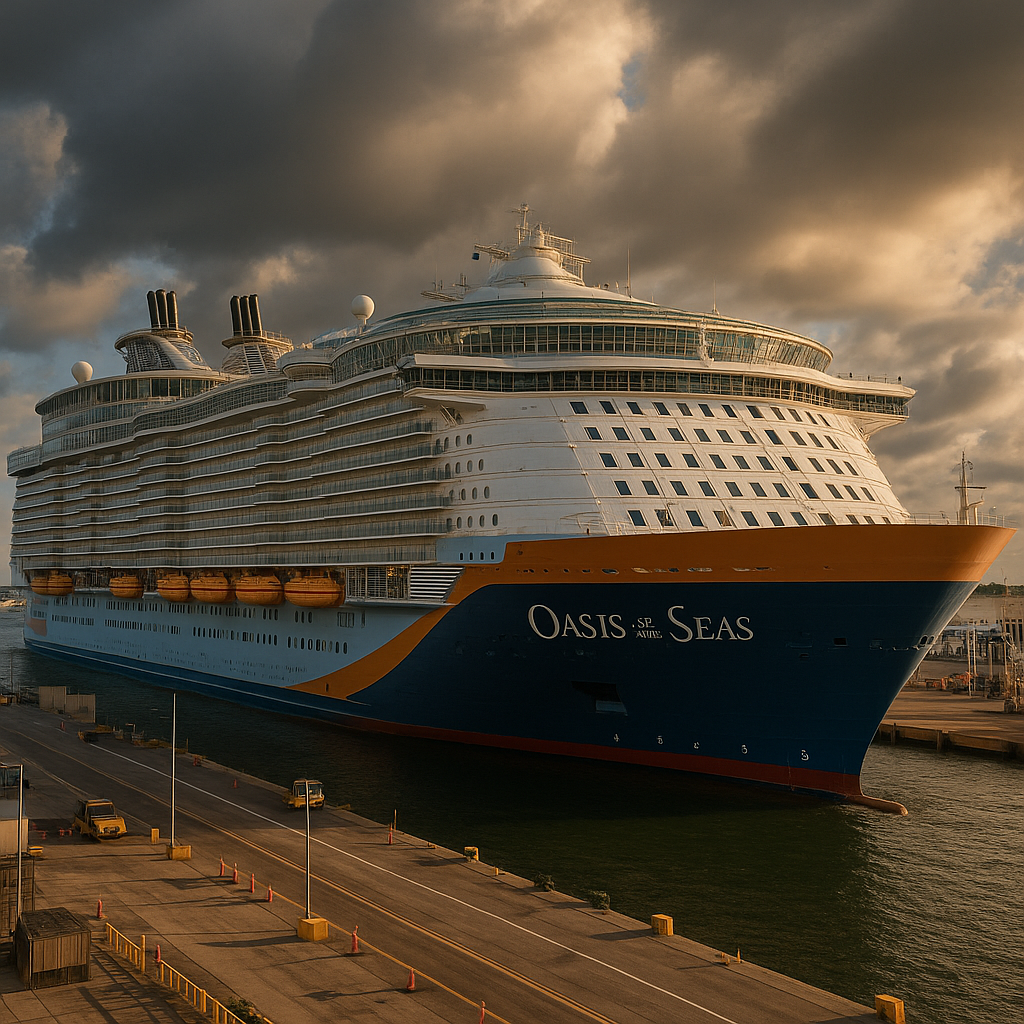
When you book a cruise months in advance, the last thing you expect is for the cruise line to ask you to give up your cabin. But that’s exactly what happened to select passengers booked on Royal Caribbean’s Oasis of the Seas sailing departing Fort Lauderdale today, February 7, 2026.
Royal Caribbean International sent targeted emails to certain guests with reservations on the eight-night Southern Caribbean cruise, offering what can only be described as an unusually generous compensation package in exchange for voluntarily canceling their bookings. The offer includes a full 100% refund of their cruise fare, plus a 50% future cruise credit (FCC) that can be applied to any Royal Caribbean sailing departing before February 7, 2027.
According to Cruise Industry News, the cruise line also promised to reimburse non-refundable pre-purchased travel expenses—a particularly notable inclusion that shows just how serious Royal Caribbean is about resolving what appears to be an overbooking situation.
Why Would Royal Caribbean Do This?
While Royal Caribbean described the offer as being extended to passengers with “flexible travel arrangements,” the underlying reason seems clear: the ship is likely oversold. The Oasis of the Seas can accommodate up to 5,664 passengers at maximum capacity, and when a cruise line offers this level of compensation, it’s typically because they need to reduce the passenger count to comply with safety regulations and capacity limits.
Overbooking isn’t a new phenomenon in the cruise industry—it’s actually a fairly common revenue management practice. Cruise lines often sell slightly more cabins than are available, banking on the statistical probability that some passengers will cancel before departure. Most of the time, natural cancellations balance out these oversells. But occasionally, more passengers show up than anticipated, leaving the cruise line scrambling to find volunteers willing to give up their cabins.
What makes this particular situation noteworthy is the timing and the generosity of the offer. With the sailing departing today, Royal Caribbean appears to have realized only in recent days that they needed to reduce their passenger manifest. The compensation package—which essentially gives passengers their money back plus a 50% credit toward a future cruise—is significantly more generous than standard cruise cancellation policies.
How the Compensation Breaks Down
Let’s put this offer into perspective. If you paid $2,000 for your Oasis of the Seas cabin, here’s what Royal Caribbean’s deal would give you:
- Full refund: $2,000 back in your pocket
- 50% future cruise credit: A $1,000 credit toward any Royal Caribbean sailing through February 2027
- Travel expense reimbursement: Any non-refundable flights, hotels, or other prepaid travel costs covered
Essentially, you’d get all your money back plus half of what you paid as a credit toward your next cruise. For passengers with truly flexible schedules—perhaps those who booked on a whim or have the ability to rearrange travel plans—this represents an opportunity to essentially score a massive discount on a future sailing.
The future cruise credit is particularly valuable because it’s based on the fare of the original Oasis of the Seas sailing, not a percentage discount on future bookings. That means the full $1,000 credit (in our example) can be applied to any qualifying cruise, potentially covering a significant portion of a shorter sailing or reducing the cost of a longer voyage.
The Oasis of the Seas Itinerary at Stake
The sailing in question is an eight-night Southern Caribbean itinerary with stops at some of the region’s most popular ports. Passengers were scheduled to visit Oranjestad in Aruba, Willemstad in Curaçao, and Perfect Day at CocoCay, Royal Caribbean’s private island destination in the Bahamas.
For many cruisers, this represents a dream vacation—particularly those visiting the Dutch Caribbean islands for the first time or returning to experience Royal Caribbean’s heavily invested private island. The emotional disappointment of giving up these plans, even with generous compensation, shouldn’t be underestimated. Family reunions, milestone celebrations, and long-awaited getaways were all potentially riding on this particular sailing.
Not the First Time
This isn’t Royal Caribbean’s first rodeo with overbooking situations. The cruise line has employed similar voluntary cancellation incentive strategies multiple times throughout 2025. In one notable case last August, the company offered guests incentives to downgrade their cabin categories rather than cancel entirely—a creative solution that allowed more passengers to sail while still bringing the ship into compliance with capacity regulations.
The fact that Royal Caribbean has refined these compensation offers over time suggests the cruise line has developed a systematic approach to handling overbooking situations. Rather than forcing passengers off their cruise or denying boarding at the pier—both of which would create public relations nightmares—the cruise line proactively identifies passengers who might have scheduling flexibility and makes it financially attractive for them to volunteer.
What This Means for Future Cruisers
For passengers currently booked on Royal Caribbean cruises, this news serves as a reminder that confirmed reservations don’t always guarantee you’ll sail as planned. While overbooking situations are relatively rare and most cruisers will never experience one, they do happen—especially on popular sailings during peak seasons.
If you’re ever offered a similar deal, the decision ultimately comes down to your personal situation. Can you rebook your vacation time? Will rebooking flights and hotels create too much hassle, even with reimbursement? How important is this specific sailing date and itinerary to your plans?
For passengers with genuine flexibility, these compensation packages can represent excellent value. Getting a full refund plus 50% extra in cruise credit is essentially like being paid to reschedule your vacation. But for those with inflexible commitments—limited vacation days, family members traveling from multiple locations, or celebrations tied to specific dates—even generous compensation might not make up for the disruption.
The Bigger Picture
This situation also highlights the complex balancing act cruise lines face in managing their inventory. They need to maximize revenue by filling every cabin, but they also must comply with strict passenger capacity regulations enforced by maritime authorities. The financial calculations behind overbooking strategies are sophisticated, weighing the revenue from selling extra cabins against the costs of compensating volunteers when natural cancellations don’t materialize.
From a consumer perspective, situations like this underscore the importance of understanding your cruise contract and knowing your rights as a passenger. Most cruise line terms and conditions include clauses that give them significant flexibility in modifying or canceling sailings, though they rarely invoke these provisions in such a public way.
Royal Caribbean’s approach—offering generous compensation and handling the situation well in advance of the sailing date—represents the industry standard for customer service when things don’t go according to plan. The cruise line could have simply offered refunds without the additional 50% credit, but choosing to go above and beyond helps maintain customer loyalty even in disappointing circumstances.
As the Oasis of the Seas prepares to depart Fort Lauderdale today, some cabins will be occupied by passengers who stuck with their original plans, while others will remain empty—vacated by those who accepted Royal Caribbean’s offer. For those who chose to volunteer, the silver lining is a future cruise credit that could lead to an even better vacation down the line. For those sailing as planned, it’s business as usual on one of the world’s largest and most impressive cruise ships.
The question now is whether this represents an isolated incident or signals broader capacity management challenges as the cruise industry continues to experience record-breaking demand in 2026.
Source: Cruise Industry News - Royal Caribbean Offers Incentives for Guests to Cancel Bookings