
Royal Caribbean Extends Labadee Suspension Through 2026 Amid Haiti Security Crisis
Royal Caribbean cancels all Labadee visits through December 2026 due to Haiti security concerns, affecting dozens of Caribbean sailings across twelve ships.
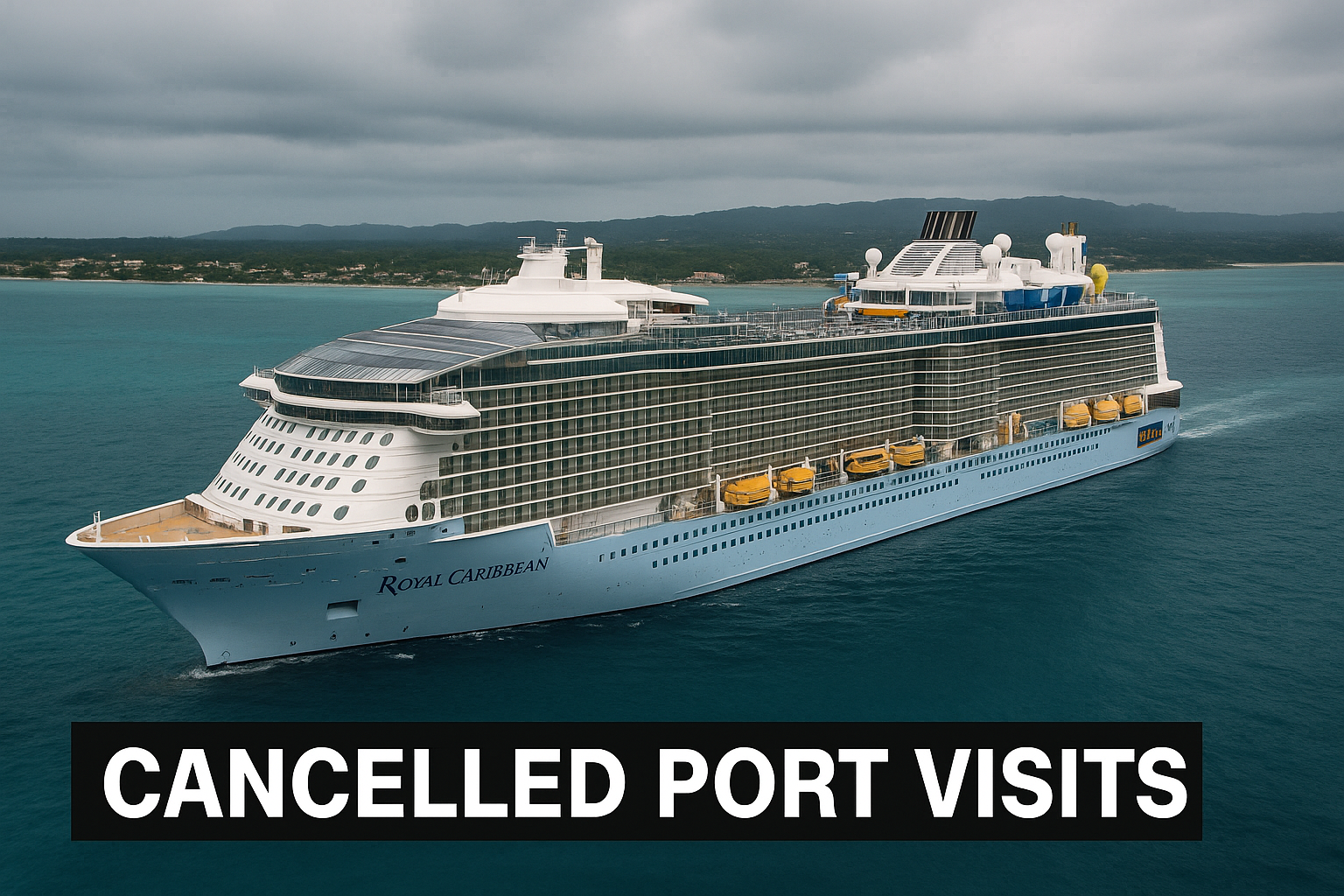
Royal Caribbean has made the difficult decision to cancel all visits to Labadee, its private beach destination in Haiti, through the end of 2026. The announcement, made on January 13, 2026, marks a significant extension of the cruise line’s previous suspension, which was initially set to expire in April 2026.
The decision reflects the ongoing security crisis in Haiti and underscores the complex challenges cruise lines face when operating in regions experiencing political instability. For thousands of guests booked on Caribbean itineraries this year, the news means unexpected changes to their carefully planned vacations.
Understanding the Scope of Cancellations
The suspension affects a substantial portion of Royal Caribbean’s Caribbean deployment. According to the cruise line, dozens of scheduled sailings across twelve ships will be impacted, including some of the company’s most popular vessels: Icon of the Seas, Star of the Seas, Oasis of the Seas, Allure of the Seas, Utopia of the Seas, Adventure of the Seas, Explorer of the Seas, Freedom of the Seas, Independence of the Seas, Legend of the Seas, Brilliance of the Seas, and Jewel of the Seas.
In a statement to Royal Caribbean Blog, a company representative explained: “Out of an abundance of caution, we have extended our pause to Labadee through December 2026.”
The Security Situation Driving the Decision
Labadee, located on Haiti’s northern coast, has long been promoted as a private oasis separate from the country’s challenges. However, the deteriorating security situation throughout Haiti has made the cruise line increasingly cautious about operations in the region.
The U.S. State Department currently maintains a Level 4 travel advisory for Haiti—the highest warning level available—cautioning against all travel to the country. The advisory specifically cites concerns about firearms-related crimes including robbery, carjacking, sexual assault, and kidnappings, which the State Department describes as “common” throughout the country.
The roots of Haiti’s current crisis trace back to the 2021 assassination of President Jovenel Moïse. In the years since, armed gangs have expanded their control over much of the country, creating an environment of widespread instability that extends well beyond the capital of Port-au-Prince.
While Labadee itself operates as a controlled, private destination accessible only to Royal Caribbean guests, the cruise line appears unwilling to take any risks given the broader security environment. The company’s decision prioritizes guest and crew safety over the significant revenue Labadee generates.
What This Means for Affected Guests
Passengers booked on sailings that were scheduled to visit Labadee are being notified via email about the itinerary changes. According to reports from travel agencies and social media posts, Royal Caribbean is offering several alternative ports to replace the cancelled Labadee stops.
The substitute destinations include:
- Nassau, Bahamas
- Grand Turk, Turks and Caicos
- Cozumel, Mexico
- Puerto Plata, Dominican Republic
- Various other Caribbean ports
Some sailings will replace the Labadee port day with an additional sea day instead, giving guests more time to enjoy the ship’s amenities.
While Royal Caribbean is working to provide comparable alternatives, the change is undoubtedly disappointing for many cruisers. Labadee has developed a loyal following over the years, particularly for its exclusive Royal Caribbean experience, beautiful beaches, and activities like the Dragon’s Breath zip line. The destination offered something unique that standard ports of call cannot fully replicate.
The Business Impact
The suspension of Labadee visits represents more than just an operational inconvenience—it carries real financial consequences for Royal Caribbean. During the company’s October 2025 earnings call, executives disclosed that the closure negatively impacted fourth-quarter earnings per share by approximately $0.05.
While that figure may seem modest, it reflects only a partial suspension period. An entire year without Labadee operations will likely represent a more substantial financial impact, though the company has not yet quantified the 2026 effect.
The situation also highlights the risks inherent in cruise line investments in private destinations. While these exclusive ports typically offer better margin opportunities than traditional ports (where the cruise line must pay port fees and shares revenue with local vendors), they also create concentrated exposure to regional instability.
A Pattern of Pauses and Resumptions
This is not the first time Royal Caribbean has suspended Labadee operations. The cruise line last visited the destination in April 2025, but had previously paused calls there in 2024 as well. When violence initially appeared contained to Port-au-Prince, Royal Caribbean attempted to resume visits, only to suspend them again in spring 2025 when gang violence spread beyond the capital region.
This pattern of stops and starts creates planning challenges for both the cruise line and its guests. Each suspension requires Royal Caribbean to rework dozens of itineraries, coordinate with alternative ports, and manage guest communications and expectations. For travelers, the uncertainty about whether a booked Labadee visit will actually occur has become a source of frustration.
By extending the suspension through the end of 2026, Royal Caribbean is providing more certainty and demonstrating a commitment to monitoring the situation over a longer time horizon before making decisions about resuming operations.
The Broader Context for Caribbean Cruising
Royal Caribbean’s decision regarding Labadee occurs against a backdrop of other Caribbean challenges facing the cruise industry. Earlier this month, a federal court blocked Hawaii’s attempt to implement an 11% cruise passenger tax, providing the industry with relief in one region while highlighting the complex regulatory environment cruise lines navigate.
The Haiti situation is particularly significant because it affects not just one cruise line but raises questions about the viability of cruise operations in or near regions experiencing sustained political instability. Other cruise lines that called on Haiti or nearby destinations have also adjusted their deployments in response to the security situation.
For Royal Caribbean specifically, the company operates one of the Caribbean’s most extensive networks of private destinations, including CocoCay in the Bahamas and Labadee in Haiti. The success of CocoCay—which has received massive investments in recent years and consistently receives high guest satisfaction ratings—demonstrates the value of private destinations when conditions allow them to operate successfully. Labadee’s suspension represents the flip side of that equation: the vulnerability created when a destination becomes inaccessible.
Looking Ahead
Royal Caribbean has not indicated when it might consider resuming Labadee operations beyond noting the suspension extends through December 2026. The situation in Haiti would need to improve substantially—including a significant reduction in gang violence and likely a change in the U.S. State Department’s travel advisory—before the cruise line would feel comfortable returning.
For guests booked on 2026 Caribbean cruises, the message is clear: check your itineraries carefully and be prepared for the listed ports rather than hoping for a last-minute change. The cruise line appears committed to this extended pause, prioritizing caution over optimism about a near-term security improvement.
The Labadee situation serves as a reminder that cruise itineraries, while carefully planned, remain subject to change based on factors beyond any cruise line’s control. Political instability, natural disasters, health crises, and other unforeseen events can all necessitate itinerary modifications.
What remains to be seen is whether Royal Caribbean will eventually resume Labadee operations once Haiti’s security situation stabilizes, or whether the prolonged absence will lead the company to reassess the destination’s place in its long-term Caribbean strategy. For now, guests sailing the Caribbean with Royal Caribbean in 2026 should plan for experiences at other ports—and hope that Haiti finds a path toward the stability that would make a return to Labadee possible.