
Nearly 90 Sickened as Norovirus Sweeps Through Holland America Cruise Ship
The CDC confirmed the first cruise ship norovirus outbreak of 2026, with 89 passengers and crew falling ill aboard Holland America's Rotterdam during a 12-day Caribbean voyage.
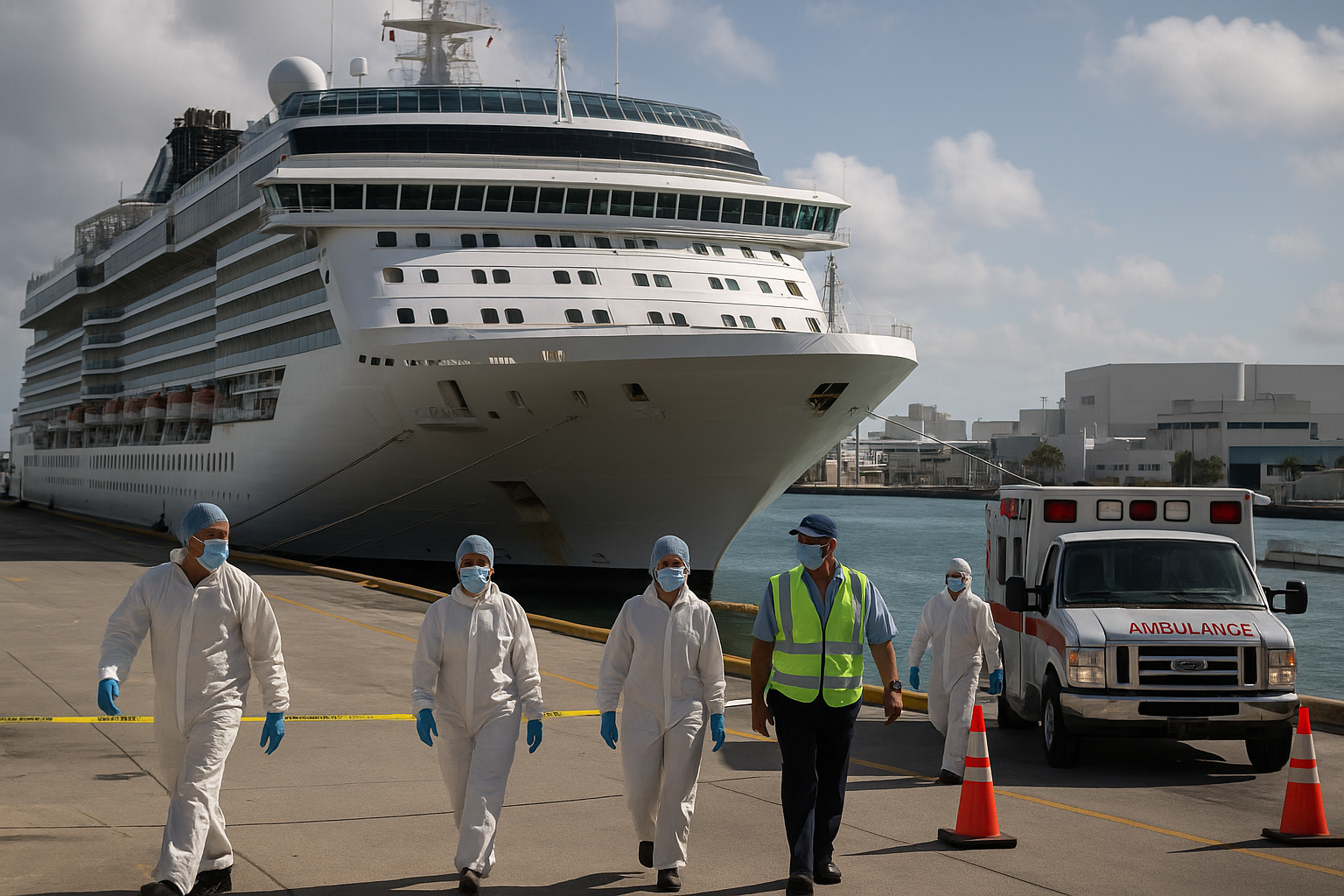
The Centers for Disease Control and Prevention has confirmed the first cruise ship norovirus outbreak of 2026, with 89 passengers and crew falling ill aboard Holland America Line’s Rotterdam during a 12-day Caribbean voyage. The outbreak, which affected nearly 90 people out of more than 3,500 passengers and crew, marks another troubling incident for the cruise line that recorded the highest number of gastrointestinal outbreaks across any cruise line in 2025.
A Holiday Cruise Turns Miserable
The Rotterdam departed Fort Lauderdale, Florida, on December 28 with stops planned for Curaçao, Colombia, Costa Rica, and Jamaica before returning to port on January 9. But what should have been a festive holiday cruise quickly turned into a health crisis as passengers and crew began reporting severe gastrointestinal symptoms.
According to the CDC report, 81 passengers and eight crew members experienced diarrhea and vomiting during the voyage. With 2,593 passengers and 1,005 crew members aboard, that translates to approximately 3.1% of passengers and less than 1% of crew affected by the highly contagious virus.
The cruise line notified the CDC of the outbreak on January 8, just one day before the ship was scheduled to return to port.
Understanding the Outbreak
Medical staff aboard the Rotterdam tracked cases involving “three or more loose stools from individuals within a 24-hour period,” according to the CDC’s confirmation. This clinical definition helps differentiate true norovirus cases from minor stomach upset, ensuring accurate outbreak tracking.
Norovirus is notoriously contagious and spreads rapidly in confined environments like cruise ships. The virus can be transmitted through contaminated food or water, touching contaminated surfaces, or even through airborne particles when an infected person vomits. This makes cruise ships particularly vulnerable to outbreaks despite rigorous sanitation protocols.
Dr. Scott Weisenberg, an infectious disease expert, emphasized the virus’s highly contagious nature, noting it can spread through the air even without physical contact between individuals. This airborne transmission capability makes containment especially challenging in the close quarters of a cruise ship.
Holland America’s Response
Holland America Line moved quickly to contain the outbreak once cases were identified. The cruise line implemented its outbreak prevention and response plan, which included increased cleaning and disinfection procedures throughout the ship. Affected passengers and crew members were immediately isolated from the rest of those aboard to prevent further transmission.
The company collected stool specimens from affected passengers and crew for testing while working to limit the spread of the virus through enhanced sanitation measures.
In a statement, Holland America emphasized that “the cases were mostly mild and quickly resolved,” attempting to reassure future passengers that the situation was handled appropriately. When the Rotterdam docked in Fort Lauderdale on Friday, the entire ship underwent comprehensive sanitization before the next sailing.
A Troubling Pattern Emerges
What makes this outbreak particularly concerning is that it’s not an isolated incident for either the Rotterdam or Holland America Line. This marks the second norovirus outbreak aboard the Rotterdam within just 11 months, raising questions about whether there are systemic issues with the vessel’s sanitation or air handling systems.
Even more alarming, Holland America recorded seven gastrointestinal outbreaks across its fleet in 2025, more than any other cruise line during that period. This pattern suggests potential gaps in the company’s prevention protocols that may need to be addressed to protect passenger health.
The CDC maintains a Vessel Sanitation Program that conducts unannounced inspections of cruise ships calling at U.S. ports. Ships are scored on a 100-point scale, with scores below 86 considered unsatisfactory. While the Rotterdam’s recent inspection scores weren’t mentioned in the outbreak reports, the frequency of gastrointestinal incidents on Holland America vessels warrants scrutiny.
What This Means for Cruise Passengers
For travelers considering Holland America cruises or any cruise vacation, this outbreak serves as an important reminder about norovirus risks at sea. Despite the cruise industry’s best efforts, outbreaks can and do occur, especially during winter months when norovirus is more prevalent in the general population.
Passengers can take several precautions to reduce their risk:
-
Practice meticulous hand hygiene: Wash hands thoroughly with soap and water before eating and after using the restroom. Hand sanitizer, while convenient, is less effective against norovirus than soap and water.
-
Avoid buffets if possible: Opt for plated service in dining rooms where food handling is more controlled.
-
Report symptoms immediately: If you develop gastrointestinal symptoms, notify the ship’s medical staff right away and self-isolate in your cabin to avoid spreading illness.
-
Consider travel insurance: Cruise interruption insurance can help recover costs if an outbreak forces quarantine or early disembarkation.
The First of 2026
As the first reported cruise ship norovirus outbreak of the year, the Rotterdam incident sets a concerning tone for the 2026 cruise season. Health officials will be watching closely to see if this was an isolated event or the beginning of a more widespread pattern.
The CDC continues to monitor cruise ship outbreaks through its Vessel Sanitation Program, publishing outbreak reports to keep the traveling public informed. While cruise lines have made significant strides in preventing and containing illnesses, norovirus remains a persistent challenge for the industry.
For the 89 people who fell ill aboard the Rotterdam, the holiday cruise they’d looked forward to became a miserable ordeal of gastrointestinal distress and cabin isolation. Their experience underscores the ongoing need for vigilance, robust prevention protocols, and rapid response when outbreaks do occur.