
Prince Rupert Port on Track for 135% Passenger Surge as Alaska Cruise Market Reshuffles
British Columbia's underdog cruise port expects to welcome over 150,000 passengers in 2026—more than double this year's numbers—as Virgin Voyages and luxury lines discover this Pacific Northwest gem.
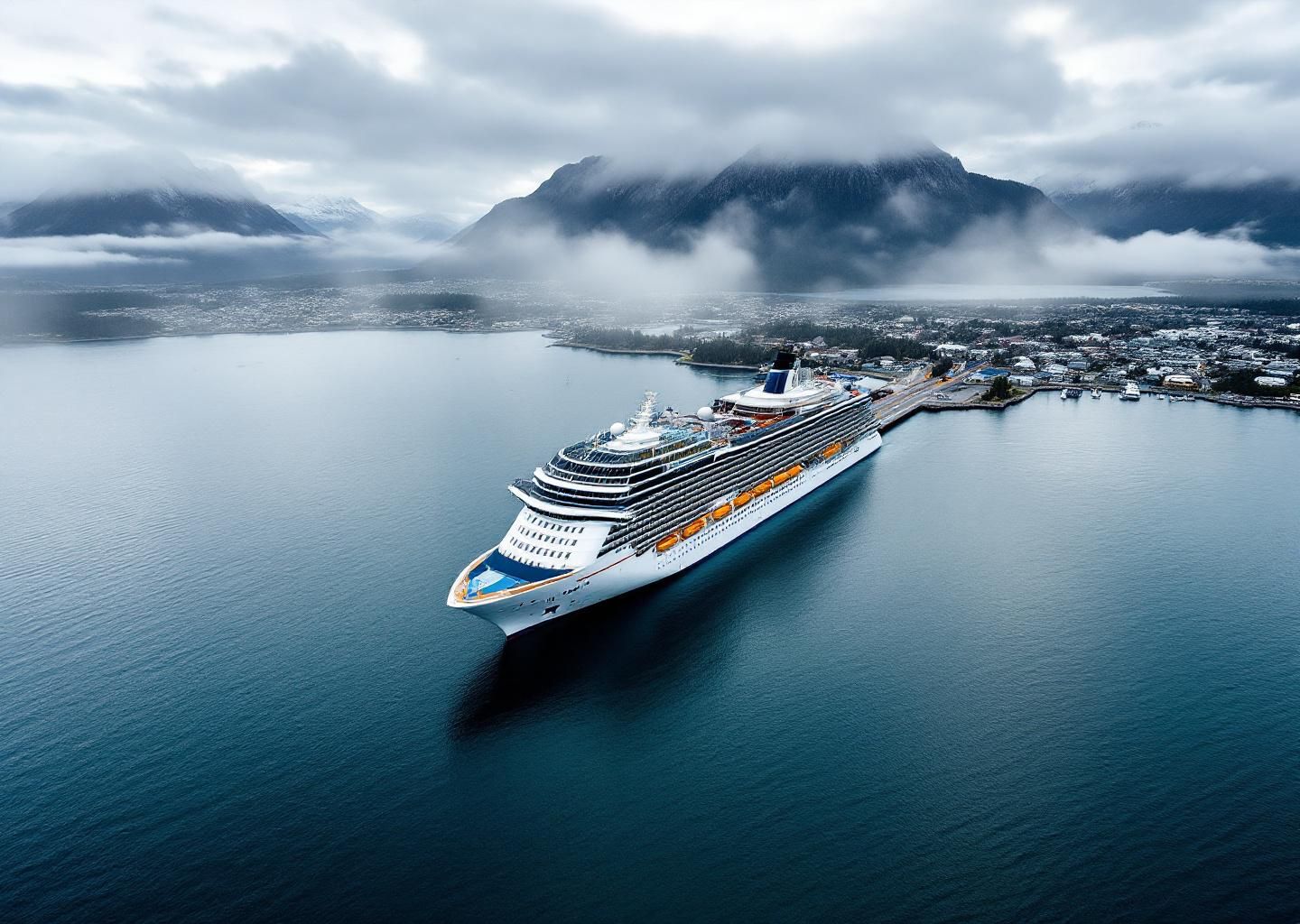
While most Alaska cruise ports celebrate modest year-over-year gains, one underdog destination is preparing for a growth explosion that’s turning heads across the industry. Prince Rupert, British Columbia—a small coastal city of just 12,000 residents—expects to welcome over 150,000 cruise passengers in 2026, representing a staggering 135% increase from this year’s already impressive numbers.
According to a report from The Northern View, the Canadian port is capitalizing on several strategic advantages that are making it an increasingly attractive alternative to traditional Alaska cruise itineraries. With 11 cruise lines scheduled to call in 2026—including newcomer Virgin Voyages—Prince Rupert is positioning itself as more than just a stopover; it’s becoming a destination in its own right.
From Modest Port to Breakout Star
Prince Rupert’s trajectory reads like a classic underdog story. In 2025, the port welcomed 68,433 passengers, marking a 16.6% increase over the previous year. While respectable, that growth pales in comparison to what’s coming. The projected 150,000+ passengers expected in 2026 would represent one of the most dramatic year-over-year expansions in North American cruise port history.
The growth isn’t happening in a vacuum. This year marked several historic firsts for the port: Royal Caribbean’s Serenade of the Seas and Holland America Line’s Noordam both made inaugural visits. More significantly, the Noordam completed the port’s first-ever overnight cruise ship berthing—a milestone that signals Prince Rupert’s evolution from day-stop to multi-day destination.
“Our community came together to deliver unforgettable experiences,” said Steve Finnigan, the port’s general manager, in a statement. “The positive response from guests has been inspiring.”
That positive response appears to be translating into concrete business. Virgin Voyages’ decision to add Prince Rupert to its 2026 itineraries represents a major validation, particularly given the line’s reputation for choosing unique, off-the-beaten-path destinations that align with its lifestyle brand positioning.
Why Prince Rupert, Why Now?
The Alaska cruise market is experiencing a subtle but significant shift. Traditional ports like Juneau and Ketchikan continue to grapple with overtourism concerns, local resistance to unlimited cruise ship visits, and infrastructure strains during peak season. Meanwhile, cruise lines are actively seeking alternative ports that can offer authentic experiences without the crowds.
Prince Rupert checks multiple boxes that matter to modern cruise operators and passengers:
Geographic Positioning: Located on Kaien Island near the mouth of the Skeena River, Prince Rupert sits along the Inside Passage—the scenic waterway that defines Alaska cruise itineraries. Ships calling at Prince Rupert can maintain traditional routing while offering passengers a different perspective on Pacific Northwest culture and natural beauty.
Authentic Indigenous Culture: The region is home to the Tsimshian people, whose rich cultural heritage predates European contact by thousands of years. The Museum of Northern British Columbia houses one of Canada’s finest collections of Northwest Coast Indigenous art and artifacts. For cruise lines increasingly focused on authentic cultural experiences rather than manufactured tourism, Prince Rupert offers genuine connections.
Natural Attractions: The surrounding region features world-class wildlife viewing opportunities, including grizzly bears, orcas, and humpback whales. Khutzeymateen Grizzly Bear Sanctuary, accessible from Prince Rupert, is Canada’s first protected grizzly bear habitat. These natural assets rival anything available at traditional Alaska ports.
Less Crowded Experience: Unlike Skagway or Juneau, where multiple mega-ships can converge simultaneously, Prince Rupert maintains a more manageable cruise schedule. The overnight berthing capability suggests infrastructure designed for quality over quantity—a selling point for passengers fatigued by overcrowded port days.
Canadian Appeal: For international passengers, particularly from markets outside North America, the Canadian flag adds diversity to Alaska itineraries. Prince Rupert offers a blend of British Colonial heritage and Indigenous culture that differentiates it from U.S. ports.
The Virgin Voyages Factor
Virgin Voyages’ addition to Prince Rupert’s 2026 roster deserves special attention. The adults-only cruise line has built its brand around curating unique itineraries that avoid overdone cruise staples. Virgin’s decision to include Prince Rupert in its Alaska programming signals the line’s confidence in the port’s ability to deliver experiences aligned with its elevated, experiential brand promise.
Virgin Voyages doesn’t announce new ports lightly. The line’s shore excursion philosophy emphasizes local guides, small group experiences, and authentic cultural connections—exactly the kind of offerings where Prince Rupert can differentiate itself from larger, more commercialized ports.
The Virgin effect could extend beyond direct passenger impact. When a trendsetting line like Virgin validates a destination, other premium and luxury operators often follow. That pattern may already be playing out: The Ritz-Carlton Yacht Collection, representing the ultra-luxury segment, is also reportedly adding Prince Rupert to future itineraries.
Infrastructure and Community Readiness
One challenge facing rapidly growing cruise ports is infrastructure strain. Can a city of 12,000 effectively absorb more than twelve times its population in seasonal cruise visitors?
Prince Rupert appears to be taking a measured approach. The overnight berthing capability suggests investment in port facilities that can handle extended visits rather than just day-stop mass tourism. Extended stays encourage passengers to venture beyond the immediate dock area, spreading economic impact more evenly across the community.
The port’s management has emphasized community collaboration in delivering guest experiences. This approach contrasts with ports where local sentiment has turned against cruise tourism due to perceived economic imbalance—where ships deliver thousands of visitors but limited sustainable economic benefit to residents.
Small ports that successfully scale cruise operations typically share several characteristics:
- Diversified Economy: Prince Rupert’s economy includes significant non-tourism sectors (shipping, fishing, forestry), reducing over-dependence on cruise revenue
- Controlled Growth: The projected 11 cruise line visits in 2026, while substantially more than 2025, still represents manageable scheduling
- Local Ownership: Shore excursion offerings owned by local businesses and Indigenous communities ensure economic benefits stay local
- Environmental Protection: The region’s natural assets (wildlife, wilderness) require sustainable tourism practices to maintain appeal
What This Means for Alaska Cruisers
For passengers planning Alaska cruises in 2026 and beyond, Prince Rupert’s emergence offers several practical implications:
Itinerary Diversity: Expect to see more cruise itineraries featuring Prince Rupert as an alternative to traditional ports. This is particularly true for premium and luxury lines seeking differentiation.
Pricing Dynamics: New port calls can sometimes translate to slightly lower overall cruise fares as lines test market demand and negotiate competitive port fees. Prince Rupert’s growth phase may create value opportunities.
Shore Excursion Evolution: Newer ports typically offer more innovative shore excursions as they compete for passenger attention. Watch for unique offerings around Indigenous culture, wildlife viewing, and wilderness experiences.
Reduced Crowding: Choosing itineraries with Prince Rupert instead of third or fourth calls at traditional Alaska ports may deliver a less crowded, more intimate experience.
Extended Stays: The overnight berthing capability means some itineraries may offer evening and early morning hours in port—prime times for wildlife viewing and cultural experiences without day-tripper crowds.
The Broader Industry Context
Prince Rupert’s growth trajectory reflects larger industry trends reshaping cruise tourism. Passengers increasingly value authentic experiences over manufactured attractions. They seek destinations where cruise tourism enhances rather than overwhelms local character.
Simultaneously, cruise lines face mounting pressure to demonstrate sustainable tourism practices and positive community impact. Small ports with strong local partnerships and controlled growth models present better narratives than overtourism controversies in established destinations.
The Alaska market specifically is experiencing what industry analysts call “capacity redistribution.” Total Alaska cruise capacity continues growing, but that capacity is spreading across more ports rather than concentrating in traditional calls. This benefits passengers (more choices, fewer crowds) and communities (more manageable tourism impact).
Prince Rupert’s 135% growth projection would have been unthinkable a decade ago when Alaska itineraries followed nearly identical patterns across all major cruise lines. The port’s success demonstrates how strategic positioning, infrastructure investment, and authentic offerings can rapidly transform a secondary port into a primary attraction.
Challenges Ahead
Rapid growth brings challenges even under ideal circumstances. Prince Rupert will need to navigate several potential pitfalls:
Maintaining Authenticity: As visitor numbers surge, preserving the authentic small-town character that makes Prince Rupert appealing becomes more difficult. Over-commercialization could undermine the very qualities attracting cruise lines and passengers.
Infrastructure Scaling: While current plans appear adequate for 150,000 passengers, sustained growth beyond 2026 may require additional port facilities, transportation infrastructure, and tourism support services.
Environmental Protection: The region’s natural assets—particularly wildlife populations—require careful management to prevent degradation from increased human activity.
Community Support: Maintaining local enthusiasm for cruise tourism requires visible economic benefits, environmental stewardship, and meaningful community input in tourism development decisions.
Seasonal Workforce: Accommodating 135% more cruise passengers requires proportional increases in tour guides, transportation providers, hospitality workers, and support staff—challenging in remote communities with limited labor pools.
Looking Forward
Prince Rupert’s projected 135% growth for 2026 represents more than statistical achievement—it signals a meaningful shift in how the Alaska cruise market operates. As traditional ports grapple with capacity constraints and community resistance, emerging alternatives like Prince Rupert offer cruise lines and passengers valuable options.
The port’s success will likely inspire similar development efforts at other secondary Pacific Northwest ports. British Columbia’s Inside Passage includes numerous communities that could potentially capture cruise traffic with appropriate infrastructure investment and tourism development.
For now, Prince Rupert is enjoying its moment as the Alaska cruise market’s breakout star. Whether that growth proves sustainable will depend on the port’s ability to deliver exceptional experiences while maintaining the authentic character and natural beauty that sparked interest in the first place.
One thing is certain: when passengers board Virgin Voyages or other ships calling at Prince Rupert in 2026, they’ll be visiting a port experiencing one of the most dramatic transformations in modern cruise tourism. That growth story—from modest regional port to major Alaska alternative—may prove as compelling as the destination itself.
The cruise industry loves a good underdog story. Prince Rupert is writing one right now, and the next chapter promises to be fascinating.