
Portugal's Hidden Cruise Gem Just Smashed Records—And Nobody Saw It Coming
Porto's cruise terminal crossed 200,000 passengers for the first time in history, posting 30% growth in 2025. The Portuguese port is emerging as a serious alternative to overcrowded Mediterranean destinations.
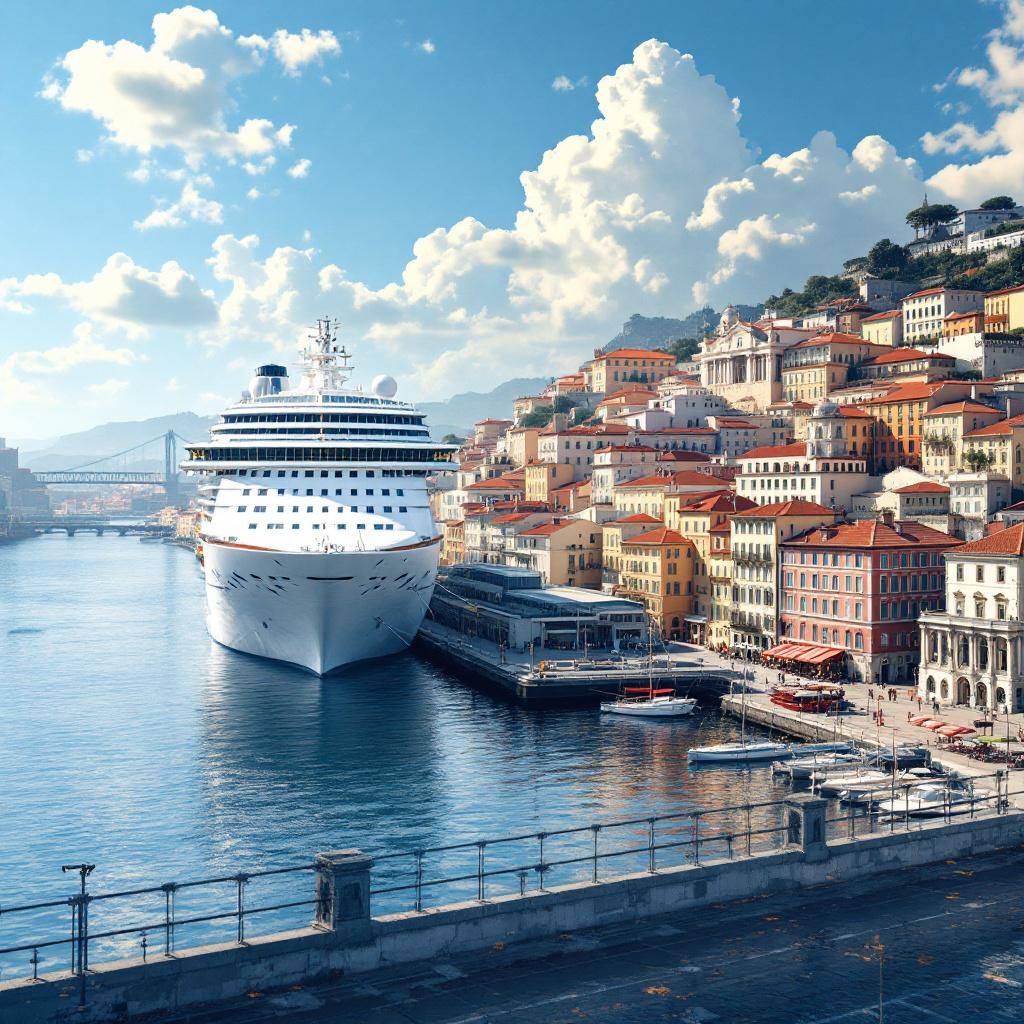
While the cruise world obsesses over the Caribbean’s mega-ports and Alaska’s seasonal rush, a Portuguese city has quietly become one of Europe’s fastest-growing cruise destinations. Porto’s cruise terminal just wrapped up a record-breaking year that’s turning heads across the industry.
According to Cruise Industry News, Porto Cruise Terminal at the Port of Leixões welcomed over 215,000 passengers in the first ten months of 2025—a staggering 30% increase compared to the same period last year. By November’s end, passenger numbers had climbed to 223,603, putting the terminal on track to close out 2025 with approximately 225,000 total passengers and nearly 150 cruise ship calls.
This isn’t just a good year. It’s a milestone. Porto has now crossed the 200,000 annual passenger threshold for the first time in its history—an achievement that arrives just seven years after the terminal welcomed its 100,000th guest back in 2018. That’s exponential growth in an industry where ports often fight for incremental gains.
What’s Driving Porto’s Explosive Growth?
Several factors are converging to put Porto on the cruise map. First, the ships themselves are getting bigger. Vessels calling at Porto in 2025 averaged 9% larger than those in 2024, reflecting the cruise industry’s broader shift toward larger, more amenity-packed ships. Bigger ships mean more passengers per call, which translates directly into higher traffic numbers.
But size alone doesn’t explain Porto’s success. The terminal has also dramatically expanded its turnaround operations—the holy grail of cruise port business. Turnaround operations, where ships begin or end their voyages, are far more valuable than simple port calls. They bring passengers who need hotels, restaurants, transportation, and local experiences before or after their cruise.
In 2024, Porto handled just 2,121 turnaround passengers. In 2025, that number exploded to nearly 24,000 passengers across 12 turnaround operations—five of which hosted over 5,000 guests each. That’s more than tenfold growth in the highest-value segment of cruise traffic.
Lines like TUI Cruises are betting big on Porto’s appeal. TUI’s Mein Schiff 4 offered Western Europe and Morocco itineraries featuring Porto in 2025, and the line is doubling down for 2026. TUI’s Mein Schiff 6 is scheduled to conduct 11 turnaround operations at Porto between July and September 2026, involving nearly 50,000 embarking and disembarking passengers. That’s a massive vote of confidence in Porto’s infrastructure and regional appeal.
Who’s Coming to Porto?
The passenger demographics tell an interesting story about Porto’s draw. Most visitors hail from the United Kingdom, followed closely by Germany and the United States. These markets represent cruise travelers seeking authentic European experiences beyond the overcrowded hotspots of Barcelona, Venice, and Dubrovnik.
Porto offers something those ports are losing: a sense of discovery. The city’s historic Ribeira district, with its colorful riverside buildings cascading down to the Douro River, provides an Instagram-worthy backdrop that hasn’t been diluted by mass tourism. The famous Port wine cellars of Vila Nova de Gaia offer exclusive experiences you simply can’t get anywhere else. And the nearby Douro Valley, a UNESCO World Heritage site, delivers scenic river cruising that rivals anything in Europe.
Cruise passengers are seeking destinations that feel special, not stamped out. Porto delivers on that promise while still offering the infrastructure and accessibility that cruise lines demand.
The Terminal That Could
Porto Cruise Terminal’s success isn’t accidental. The facility has invested in the guest experience, upgraded services, and positioned itself as a viable alternative to the Mediterranean’s congested traditional ports. Port authorities noted that “these numbers confirm the growing attractiveness of Porto and the North of Portugal region in the cruise sector.”
The terminal handled 145 cruise calls between January and November 2025—matching 2024’s total—while processing 18% more passengers. That efficiency gain shows Porto is handling larger ships more effectively, turning calls around faster, and maximizing the economic impact of each visit.
The terminal also welcomed 13 maiden calls in 2025, meaning 13 ships visited Porto for the first time. Maiden calls are crucial for building long-term relationships with cruise lines and establishing new itineraries that can become annual fixtures.
What This Means for the Cruise Industry
Porto’s rise reflects broader shifts in European cruising. Travelers are tired of overtourism and cookie-cutter port experiences. They want authenticity, culture, and destinations that haven’t been trampled by millions of annual visitors.
We’re also seeing Northern European itineraries gain traction. Porto sits perfectly positioned for Atlantic Coast voyages that combine Spain, Portugal, and France—a region offering incredible food, wine, history, and scenery without the crowds crushing Venice or Santorini.
Cruise lines are taking notice. The fact that TUI is committing to 11 turnaround operations in 2026 signals that Porto isn’t a one-year wonder. The terminal has proven it can handle volume, deliver positive guest experiences, and support the logistics cruise lines need for homeporting operations.
The Road Ahead
With 2025’s numbers nearly locked in, Porto is already looking toward 2026 with ambitious expansion plans. The terminal expects continued growth in both transit calls and turnaround operations, particularly during the peak summer months when Northern Europe’s weather is most favorable.
The challenge now is balancing growth with sustainability. Porto’s charm lies in its authenticity and walkability—qualities that can erode quickly if the city becomes another overtouristed cruise stop. How Porto manages this growth will determine whether it becomes a long-term fixture on European itineraries or just another port that lost its soul to mass tourism.
For now, though, the numbers tell a story of success. Porto has positioned itself as a must-visit destination for cruise travelers seeking genuine European culture, world-class wine, stunning architecture, and experiences that feel personal rather than packaged.
The cruise industry is always looking for the next great port. Based on 2025’s performance, Porto might just be it.