
The Crown Changes Hands: Port Canaveral Dethrones Miami as World's Busiest Cruise Port
Port Canaveral welcomes 8.6 million passengers in 2025, claiming the title of world's busiest cruise port from longtime champion PortMiami.
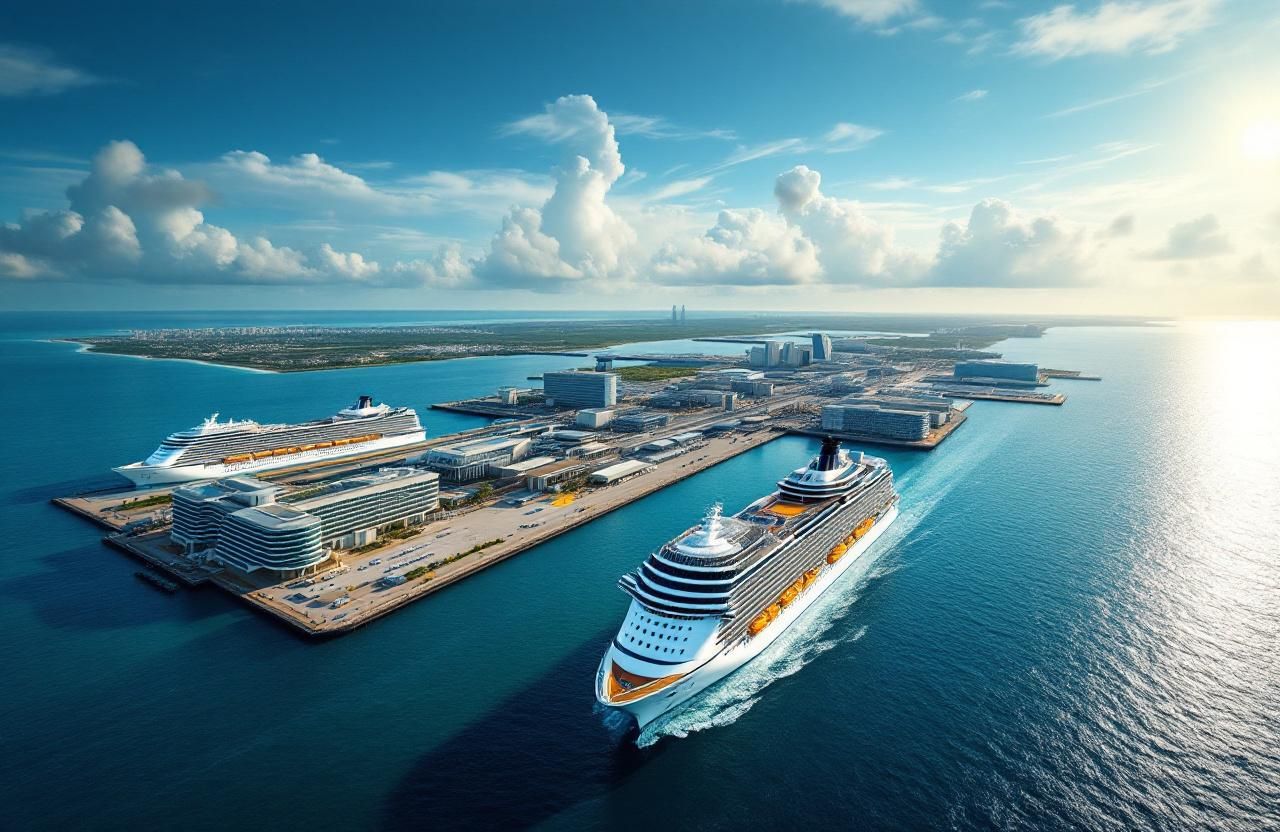
In a historic shift for the cruise industry, Port Canaveral has officially claimed the title of world’s busiest cruise port, processing a record-breaking 8.6 million passengers during fiscal year 2025. The achievement marks a significant milestone for the Central Florida port, which narrowly edged out longtime champion PortMiami to secure the top spot.
According to Port Canaveral’s official announcement, the port tallied exactly 8,602,047 revenue passenger movements in FY 2025—just ahead of PortMiami’s impressive 8,564,225 passengers. The confirmed numbers represent the highest passenger count in Port Canaveral’s history and a remarkable 13 percent increase over the previous fiscal year.
Not the First Time in the Spotlight
While this achievement is certainly newsworthy, it’s not Port Canaveral’s first time claiming the crown. The port previously held the title of world’s busiest cruise port in 2022, demonstrating its growing importance in the global cruise ecosystem. This latest victory, however, comes with even more impressive numbers and signals a potentially sustained shift in cruise industry dynamics.
What’s Driving the Growth?
Port Canaveral’s success isn’t accidental. The port currently homeports 18 ships from seven different cruise brands and handles more than 1,000 sailings each year. But the real game-changer has been the port’s ability to attract larger vessels and new cruise lines.
In August 2025, Port Canaveral welcomed Royal Caribbean’s Star of the Seas—currently the world’s largest cruise ship. The port also brought in Princess Cruises and Celebrity Cruises for the first time last winter, expanding its cruise line portfolio and demonstrating its appeal to diverse market segments.
This strategic expansion is supported by six cruise terminals, with ambitious plans for more growth on the horizon.
The Drive-To Advantage
One of Port Canaveral’s key competitive advantages is its positioning as a drive-to market. Approximately 75 percent of passengers drive to the port, taking advantage of its convenient, centralized Florida location, modern terminals, ample adjacent parking, and easy highway access. For cruise passengers looking to avoid airport hassles and fly-cruise logistics, Port Canaveral offers an attractive alternative.
The port has earned recognition for this convenience, winning the “Best U.S. Cruise Homeport” award from Cruise Hive five times—a testament to its passenger-friendly approach.
Investing in the Future
Port Canaveral isn’t resting on its laurels. The port is currently executing the “Port Canaveral Advantage™,” a massive $912 million five-year capital improvement initiative designed to cement its position as a cruise industry leader.
The ambitious program includes:
- Expansion of two existing cruise terminals
- Development of a seventh new cruise terminal campus
- Additional parking facilities
- Deployment of new technology to enhance accessibility and convenience
These investments signal that Port Canaveral is positioning itself not just for temporary success, but for long-term dominance in the cruise port market.
What This Means for Cruisers
For cruise passengers, this shift represents increased competition and choice. As Port Canaveral continues to expand and attract more cruise lines, passengers in the Southeast and beyond will have more sailing options, potentially better pricing through competition, and enhanced terminal facilities.
The battle between Port Canaveral and PortMiami also benefits the broader Florida cruise market, with both ports investing heavily in infrastructure and passenger experience to maintain their competitive edge.
The Bigger Picture
Port Canaveral’s achievement reflects broader trends in the cruise industry. As cruise ships grow larger and cruise lines expand their fleets, ports must invest in infrastructure, technology, and capacity to accommodate these vessels. The ports that make these investments—like Port Canaveral—are positioning themselves to capture growing passenger volumes in an industry that continues to see strong demand.
With 8.6 million passengers processed in a single fiscal year, Port Canaveral has proven it can handle massive volume while maintaining efficiency and passenger satisfaction. As the cruise industry continues its post-pandemic growth trajectory, this Florida port appears poised to remain at the center of the action.
The question now is whether PortMiami will reclaim its crown in FY 2026, or if Port Canaveral’s ambitious expansion plans will help it maintain the top spot for years to come.