
A New Player Just Ordered Eight Cruise Ships in China—And They Won't Carry Their Own Name
Ocean Advice's unprecedented eight-ship order signals a major shift in cruise industry business models, as the white-label operator prepares to charter custom vessels to tour operators and lifestyle brands.
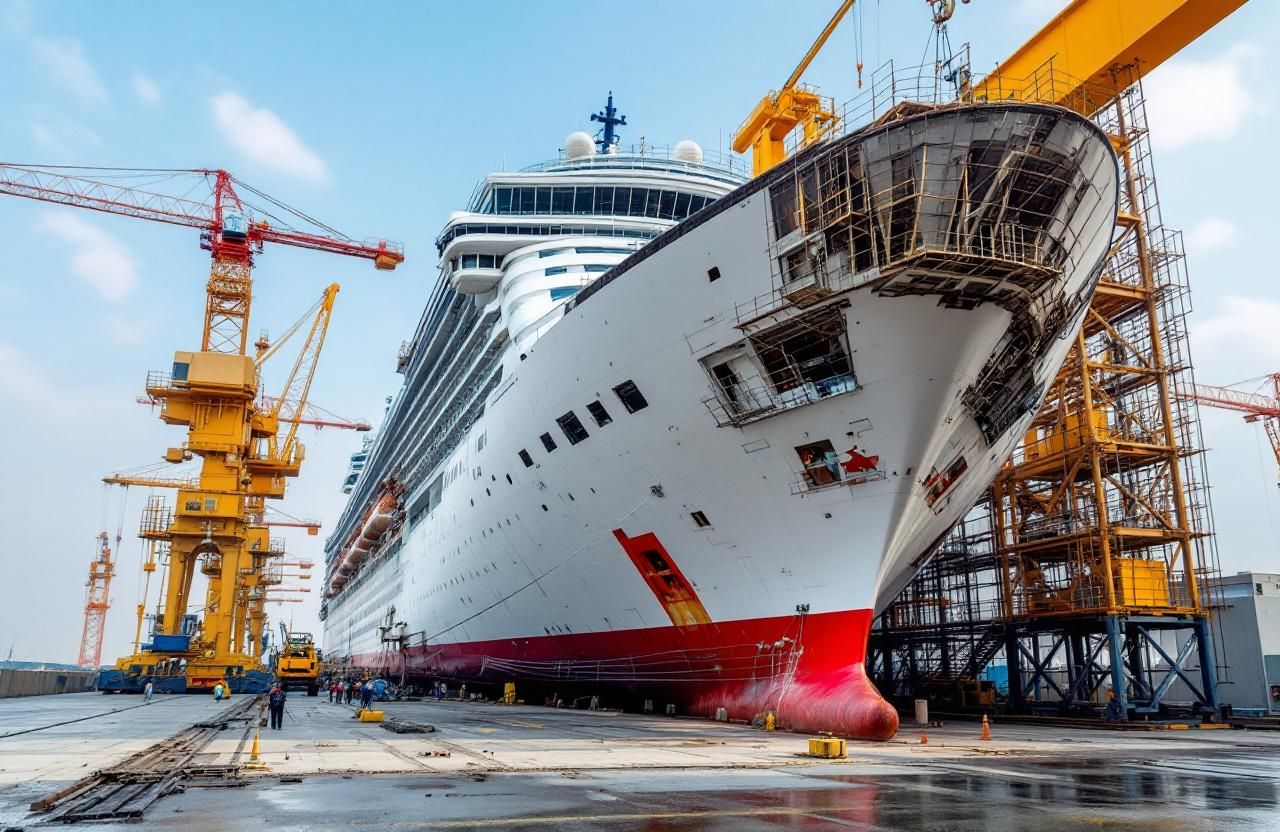
The cruise industry just witnessed an unusual announcement that could signal a significant shift in how cruise ships are built, branded, and operated. Ocean Advice, a Cyprus-based division of Europe’s largest white-label ship management company United Waterways, has signed a contract to build eight new cruise ships at China Merchant Heavy Industry’s Jiangsu shipyard. But here’s the twist: Ocean Advice doesn’t plan to operate these ships under its own brand. Instead, they’re building a fleet specifically designed to be chartered out to tour operators and lifestyle brands who want to enter the cruise market without building their own vessels.
According to Cruise Industry News, the order includes four expedition ships capable of carrying 186 guests and four coastal vessels accommodating 260 passengers. The first ship is scheduled for delivery in 2029, with the expedition vessels arriving first in 2028, followed by the coastal ships in 2029.
The White-Label Revolution in Cruising
What makes this story particularly intriguing isn’t just the size of the order—it’s the business model behind it. Ocean Advice is pioneering what they call the “white-label market” in ocean cruising, a concept that’s been successful in river cruising but remains relatively uncommon in the ocean cruise sector.
Think of it like a private-label product at your grocery store. The store doesn’t manufacture the product themselves, but they put their brand on it and sell it as their own. Ocean Advice is doing the same thing with cruise ships. They’ll build the vessels, manage the operations, and provide all the technical expertise—but the ships will sail under the brand names of partner companies.
“The White Label Market, in this instance, comprises fully customized and chartered vessels that can be branded and marketed by third parties (e.g., tour operator companies, lifestyle companies, etc.) and allow the operator to provide tailored cruise experiences to their customers without having to partner with a cruise line,” explains the company in their announcement.
This model removes enormous barriers to entry for companies that want to offer cruises to their customers. Building a cruise ship can cost hundreds of millions of dollars. Operating one requires specialized maritime expertise, regulatory compliance, safety management, and a massive infrastructure investment. For a tour operator or lifestyle brand, partnering with Ocean Advice means they can enter the cruise market with their own branded ship without shouldering these enormous capital and operational burdens.
Three Ships Already Spoken For
The business model appears to be resonating with potential partners. Ocean Advice reports that three of the eight vessels have already been reserved, and the company expects to charter all eight ships within the next twelve months. While they haven’t disclosed the identities of these partners, the company indicates strong interest from “well-known tour operators” and has ambitions to expand into lifestyle brands.
This isn’t entirely surprising. The expedition and small-ship cruise market has been one of the fastest-growing segments in the industry over the past decade. Travelers increasingly seek more intimate, immersive experiences that focus on destinations rather than onboard amenities. Major tour operators like National Geographic, Lindblad Expeditions, and others have successfully operated in this space, and many other travel brands have likely watched with interest, weighing whether to make the leap into cruising.
For these companies, the Ocean Advice model offers an attractive proposition: maintain your brand identity and customer relationships, but let experienced maritime professionals handle the complex operational details.
Proven Chinese Shipbuilding Expertise
Ocean Advice’s choice of China Merchant Heavy Industry as their shipbuilding partner is no accident. The Jiangsu shipyard has already established itself as a reliable builder of small expedition cruise vessels, having delivered seven 200-passenger expedition ships for SunStone Ships’ Infinity class series.
Those seven vessels—including Greg Mortimer, Ocean Victory, Ocean Explorer, Sylvia Earle, Ocean Odyssey, Ocean Albatros, and Douglas Mawson—are now chartered to major expedition cruise brands including Aurora Expeditions. All feature Ulstein’s distinctive inverted X-Bow design and are built to Ice Class 1A and Polar Class 6 standards, allowing them to operate safely in polar regions.
The success of that program demonstrates that China Merchant Heavy Industry can deliver quality expedition vessels on schedule—a critical consideration when you’re planning to charter ships to major tour operators who need reliability.
Hybrid Technology Meeting 2050 Goals
Perhaps the most forward-thinking aspect of Ocean Advice’s new ship order is the emphasis on hybrid propulsion and environmental sustainability. According to Mathias Kracht, managing director of Ocean Advice, “The design and much of the technology will be imported from Europe and the US, and enhanced with China’s electrification knowledge.”
This fusion approach aims to combine cutting-edge European and American maritime systems with China’s advanced electrification technology. Sascha Gill, CEO of United Waterways, stated that the ships will be ready to comply with the European Union’s 2050 environmental goals—an ambitious target that requires dramatic reductions in greenhouse gas emissions.
The hybrid design represents a pragmatic approach to sustainability in expedition and coastal cruising. While fully electric ships remain years away from being practical for most ocean applications, hybrid vessels can significantly reduce emissions, especially during port operations and in environmentally sensitive areas where they can run on battery power alone.
For charter partners—particularly those in the premium and luxury segments—this sustainability focus isn’t just a nice-to-have feature. Modern travelers, especially those attracted to expedition cruising, increasingly demand that their travel choices align with their environmental values. Ships that can credibly claim reduced environmental impact become marketing assets for the brands that charter them.
Accessing Ports the Big Ships Can’t Reach
The size of these vessels—186 guests for expedition ships and 260 for coastal vessels—is strategic. These aren’t megaships competing with Carnival or Royal Caribbean. They’re purpose-built to access the places those massive vessels can’t go.
“New, smaller cruise vessels entering the market will permit cruisers to visit and disembark in coastal cities and remote islands,” notes the announcement. This capability addresses one of the cruise industry’s most significant challenges: port congestion and the limitations of infrastructure at many desirable destinations.
Small cruise ports in the Mediterranean, the Caribbean, Alaska, and expedition destinations in polar regions simply cannot accommodate ships carrying 3,000 to 7,000 passengers. But a 260-passenger coastal ship or a 186-passenger expedition vessel? Those can dock almost anywhere, or anchor offshore and tender guests to remote beaches and villages that see few tourists.
This access becomes particularly valuable for tour operators who have built their reputations on providing authentic, immersive travel experiences. Being able to take guests to ports that the mainstream cruise lines can’t reach creates genuine differentiation in an increasingly crowded marketplace.
The United Waterways Advantage
Ocean Advice’s parent company, United Waterways, brings significant credentials to this venture. As Europe’s largest provider of modular white-label ship management services, the company already operates extensively in the river cruise market. They founded Ocean Advice in Limassol, Cyprus, in 2022 specifically to extend their white-label model to ocean cruising.
This experience matters enormously. Operating cruise ships—whether on rivers or oceans—requires managing complex regulatory requirements, safety protocols, crew training, supply chains, and technical operations. Tour operators and lifestyle brands excel at marketing, customer service, and creating compelling travel experiences. But most lack the infrastructure and expertise to manage a ship’s technical operations.
By handling all the behind-the-scenes maritime operations while allowing partners to control the guest experience and brand identity, Ocean Advice is offering a genuine value proposition. Their partners can focus on what they do best—creating and selling travel experiences—while Ocean Advice ensures the ships operate safely, efficiently, and in compliance with international maritime regulations.
What This Means for the Cruise Industry
Ocean Advice’s eight-ship order represents more than just another shipbuilding contract. It signals the potential emergence of a new business model in ocean cruising that could democratize access to ship operations for companies that previously couldn’t justify the investment.
If successful, this model could lead to an explosion of niche cruise products entering the market. Imagine:
- Adventure travel companies offering branded expedition cruises to their loyal customers
- Luxury hotel brands extending their portfolio to include intimate coastal cruising
- Tour operators specializing in specific regions operating their own small ships to provide deeper destination immersion
- Lifestyle brands in wellness, culinary, or cultural travel creating highly specialized cruise experiences
Each of these scenarios becomes much more feasible when you don’t need to invest hundreds of millions of dollars in ship construction and build an entire maritime operations infrastructure from scratch.
The timing is also significant. The cruise industry is experiencing robust demand, with CLIA projecting 37.7 million ocean-going passengers in 2025. But that growth is heavily concentrated in the mainstream and premium segments dominated by the major cruise lines. The expedition and small-ship market remains comparatively underserved, suggesting room for new entrants—particularly those that can offer distinctive experiences under their own brand identities.
Challenges and Questions Ahead
While the Ocean Advice model is intriguing, several questions remain. Operating a cruise ship requires more than just technical management—it requires building trust with consumers who will spend thousands of dollars on a vacation. Will tour operators and lifestyle brands that charter these vessels be able to establish that credibility in the cruise market?
There’s also the challenge of scale. Major cruise lines benefit from enormous economies of scale in everything from provisioning to marketing to customer service infrastructure. Can white-label operators and their charter partners compete effectively without those advantages?
The financial model also warrants scrutiny. Charter agreements need to work economically for both Ocean Advice (which needs to service the debt on ship construction) and the charter partners (which need to generate adequate margins to justify the investment in marketing and operations). Finding that sweet spot requires careful financial engineering, especially in an industry where demand can fluctuate based on economic conditions, geopolitical events, or even weather patterns.
The Bottom Line
Ocean Advice’s eight-ship order from China Merchant Heavy Industry represents a bold bet on a different way of doing business in the cruise industry. By building ships specifically designed to be chartered to tour operators and lifestyle brands, they’re creating a pathway for companies to enter the cruise market without the massive capital investment and operational complexity of building and managing their own fleet.
With three ships already committed and strong interest from potential partners, the model appears to have commercial viability. The focus on hybrid propulsion and environmental sustainability addresses one of the industry’s most pressing challenges. And the small ship sizes—combined with the ability to access ports that larger vessels can’t reach—position these vessels to serve a growing market segment hungry for more intimate, immersive travel experiences.
Whether this white-label approach becomes a significant force in ocean cruising or remains a niche model remains to be seen. But one thing is certain: Ocean Advice is betting big on the idea that the future of cruising includes more diversity in who operates ships and how they’re brought to market. And with deliveries beginning in 2028, we won’t have to wait long to see if that bet pays off.