
Ankle-Deep Water Floods 40 Cabins on MSC Seaview After Fire System Pipe Bursts
A burst pipe in the fire safety system sent water flooding through Deck 10 of MSC Seaview during a South American cruise, displacing dozens of passengers and prompting a port authority inspection.
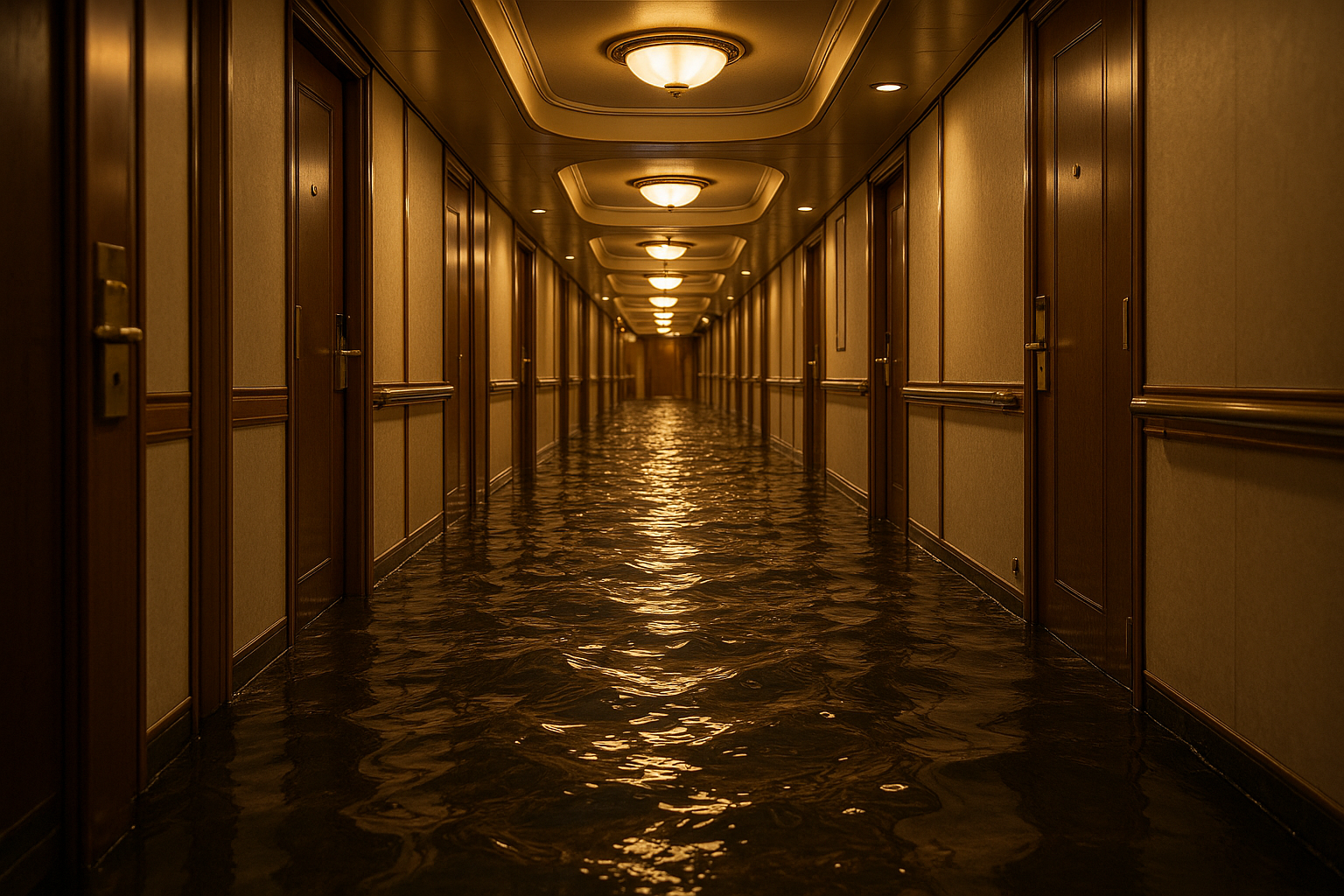
Passengers aboard MSC Seaview woke to an unwelcome surprise on the morning of January 12 when a ruptured pipe in the ship’s fire safety system sent water cascading through Deck 10, flooding approximately 40 cabins and forcing guests to evacuate with their belongings.
The incident occurred at roughly 7:45 a.m. during the second day of a seven-night South American cruise that departed Santos, Brazil on January 10, according to Cruise Hive. Photos and videos shared by affected passengers showed water rising to ankle height in corridors and seeping into staterooms, damaging personal items and disrupting what was supposed to be a relaxing vacation.
What Passengers Experienced
The scene on Deck 10 that Sunday morning was chaotic. Families with children and elderly passengers found themselves suddenly displaced as water spread through the corridor and into their cabins. Some guests reported scrambling to rescue electronics, luggage, and clothing from the rising water before it could cause further damage.
MSC Cruises moved quickly to relocate affected guests, directing them to a bar on Deck 8 while crew members worked to contain the leak and assess the damage. The cruise line offered complimentary beverages to displaced passengers as they waited for updates on their accommodations.
The water originated from a pipe connected to the ship’s fire suppression system, one of the critical safety mechanisms that cruise ships maintain throughout their vessels. While the irony of a safety system causing damage was not lost on passengers, MSC emphasized that at no point was anyone’s safety at risk.
MSC’s Official Response
In a statement to media, MSC Cruises acknowledged the incident while downplaying its severity: “A leak was identified in a water pipe that is part of the ship’s fire safety system, resulting in water entering some guest cabins and a common area corridor. The problem was quickly resolved by our technical teams, and all affected areas underwent thorough cleaning. Guests were promptly assisted, and at no time was there any risk to their safety.”
The cruise line offered $150 per cabin to affected passengers as immediate compensation. Additionally, guests were instructed to report any damaged personal items, including phones, luggage, and clothing, to guest services for potential reimbursement. Whether that compensation will satisfy passengers who had their vacations significantly disrupted remains to be seen.
Port Authority Steps In
The incident drew official attention when the ship arrived in Maceio, Brazil on January 14. The Port Authority of Alagoas conducted additional pipe inspections aboard the vessel, examining the fire safety system to ensure no further issues could occur during the remainder of the voyage.
Such inspections are not routine for minor onboard incidents, suggesting that either the Brazilian authorities took the flooding seriously or MSC requested the inspection to verify their repairs. Either way, the ship was cleared to continue its itinerary after the examination.
A Pattern Emerges
Perhaps most concerning for MSC Cruises is that this marks the second flooding incident on MSC Seaview. A similar pipe burst occurred in August 2018 during a Mediterranean sailing, just months after the ship entered service. That incident also involved the ship’s water systems and affected passenger cabins.
The 153,516-gross-ton Seaview is a Seaside-class vessel that entered service in June 2018. She carries approximately 5,300 passengers at full capacity and typically operates South American itineraries during the winter season before repositioning to the Mediterranean for summer sailings.
Repeat incidents on the same vessel raise questions about whether underlying maintenance or design issues exist with the ship’s plumbing infrastructure. While two incidents over eight years may not constitute a crisis, passengers booking future Seaview voyages might reasonably wonder if the problem has been fully addressed.
What This Means for Affected Passengers
For the approximately 40 cabin-loads of passengers directly impacted, the compensation situation remains somewhat murky. The $150 per cabin offer is relatively modest considering the disruption involved, though the promise to reimburse damaged personal items could significantly increase the total payout depending on what guests lost.
Passengers who feel the compensation is inadequate have several options. They can negotiate directly with guest services during the voyage, file formal complaints with MSC Cruises after returning home, or escalate to consumer protection agencies if they believe the cruise line’s response was insufficient. Some may also have recourse through travel insurance policies that cover trip interruptions.
For passengers whose cabins suffered significant water damage, the cruise line typically relocates guests to comparable or upgraded accommodations for the remainder of the voyage. However, availability can be limited on full sailings, and some passengers may find themselves in less desirable cabin locations as a result.
The Bigger Picture
Cruise ship incidents like this serve as reminders that even modern vessels with sophisticated systems can experience unexpected failures. The cruise industry generally maintains excellent safety records, and flooding incidents from burst pipes, while dramatic and inconvenient, rarely pose serious dangers to passengers.
That said, the experience of waking up to water flooding your vacation cabin is deeply unsettling, regardless of how quickly the crew responds. For many passengers, the memory of scrambling to save personal belongings will overshadow any compensation they receive.
MSC Cruises has not indicated whether any additional measures will be taken to prevent similar incidents in the future, nor whether the Seaview’s fire safety piping system will receive a comprehensive inspection beyond what the Brazilian port authority conducted.
For now, the Seaview continues her South American season, with her next voyages departing from Santos on the usual seven-night Caribbean schedule. Passengers on those sailings will have to trust that whatever caused the January 12 incident has been fully resolved.
The cruise line’s reputation for handling such incidents will ultimately be judged not just by their immediate response but by whether similar problems recur. For MSC Seaview specifically, the clock is ticking on that question.