
MSC Cruises Just Made Texas Its Newest Cruise Hub—And This $154M Terminal Changes Everything
MSC Seascape arrives in Galveston with a brand-new state-of-the-art cruise terminal, marking the cruise line's first-ever Texas homeport and a major expansion of Gulf Coast cruise operations.
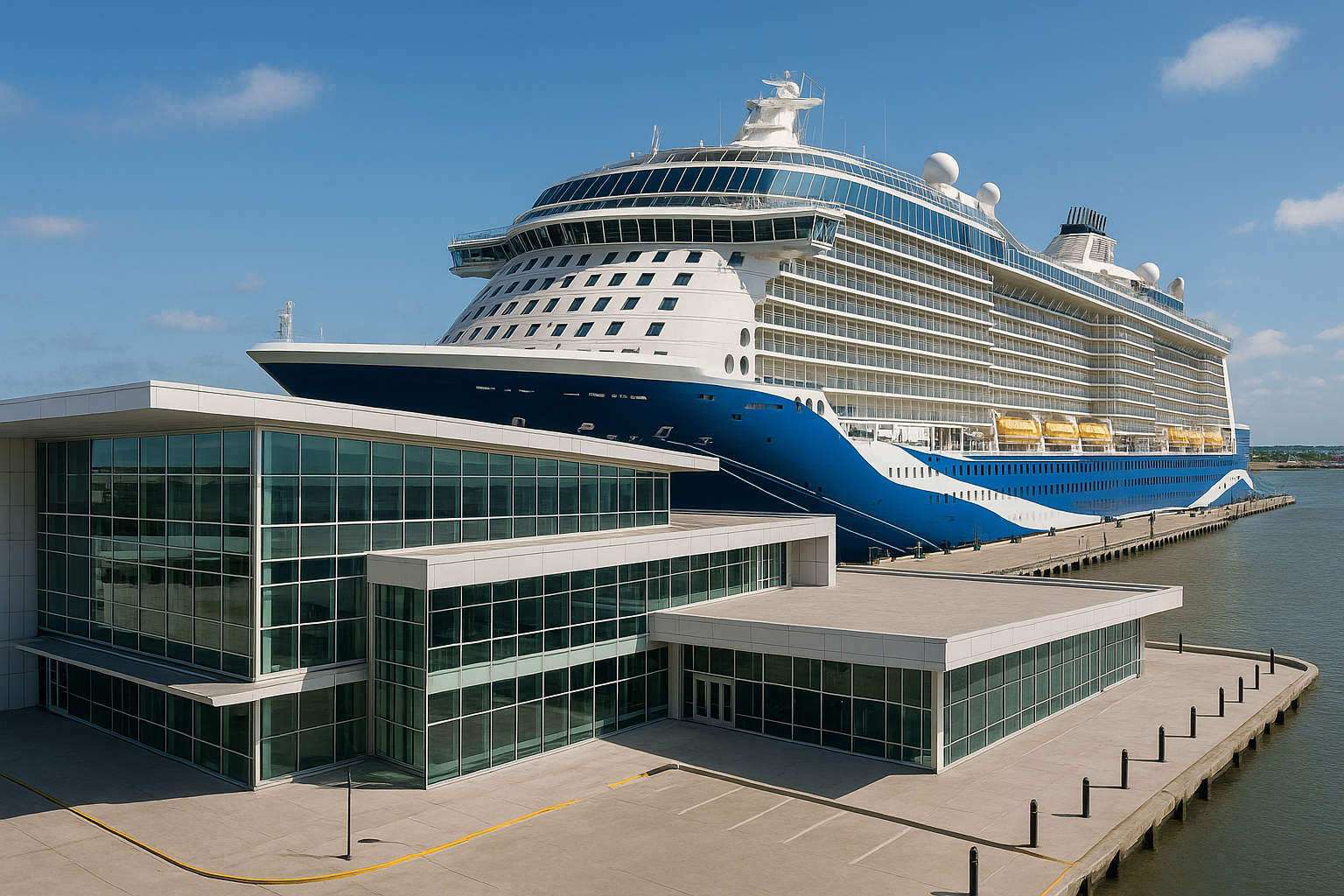
The cruise industry’s Gulf Coast expansion reached a significant milestone this week as MSC Seascape docked in Galveston on November 7, 2025, inaugurating MSC Cruises’ first-ever Texas homeport. The arrival coincides with the opening of the Port of Galveston’s new Cruise Terminal 16, a $154 million state-of-the-art facility that signals the port’s ambitious growth strategy.
According to MSC Cruises’ official announcement, the 170,400-gross-ton vessel began year-round operations with its first sailing departing November 9, 2025. This marks a strategic expansion for the Swiss-Italian cruise line, which now operates from its third U.S. homeport alongside Miami and Port Canaveral.
A Terminal Built for Growth
The timing of MSC Seascape’s arrival aligns perfectly with Galveston’s infrastructure investment. The new Cruise Terminal 16 represents more than just a building—it’s a 165,000-square-foot statement about the port’s confidence in future cruise demand. The facility includes modern boarding bridges and an integrated parking garage, addressing two of the most critical aspects of passenger experience: efficient embarkation and convenient parking.
For context, Galveston has been steadily positioning itself as a major Gulf Coast cruise hub. The Port of Galveston projects impressive numbers for 2026: 445 sailings and 3.9 million passenger movements. These aren’t aspirational figures—they’re backed by current economic data showing the port already generates 4,547 jobs, $291 million in personal income, and $733 million in business revenue.
The $154 million investment in Terminal 16 makes strategic sense when viewed through this lens. With MSC Cruises now joining other major cruise lines operating from Galveston, the port is diversifying its cruise portfolio while building capacity for future growth.
Year-Round Caribbean Access from Texas
MSC Seascape will operate 7-night Western Caribbean cruises every Sunday, visiting Costa Maya and Cozumel in Mexico, plus Isla de Roatan in Honduras. This itinerary is particularly notable for Texas-based cruisers, who historically had to fly to Florida ports or accept limited seasonal sailings from Galveston.
Year-round operations change that equation entirely. The consistency of weekly departures allows MSC Cruises to build brand recognition in the Texas market while providing reliable vacation planning options for the region’s 30+ million residents.
The ship’s capacity—2,270 cabins across 12 different suite and stateroom categories—means each weekly sailing can accommodate up to 5,877 guests. Over a full year, that translates to roughly 300,000 passengers sailing from Galveston on MSC Seascape alone, representing significant economic activity for the port and surrounding community.
Texas-Sized Ship Features
MSC Seascape isn’t just any ship—it’s one of MSC Cruises’ newer vessels with amenities designed to compete with the industry’s most modern offerings. The ship features 11 dining venues and 19 bars and lounges, providing the variety that today’s cruisers expect from a week-long vacation.
Five swimming pools, including an aft infinity pool, offer plenty of water-based relaxation options. The 1,772-foot waterfront promenade provides what many cruisers consider essential: outdoor walking space with ocean views.
For families, MSC Seascape dedicates 7,567 square feet specifically to children’s programming for ages 0-17. This isn’t just daycare—it’s structured programming designed to keep kids engaged while parents enjoy their vacation. The ship also features the ROBOTRON amusement ride, which combines rollercoaster thrills with a personalized DJ experience, representing the kind of unique attraction that differentiates modern cruise ships.
At the premium end, 32,000 square feet of exclusive MSC Yacht Club space provides a ship-within-a-ship experience for guests willing to pay for additional privacy and service.
Localizing the Experience
Perhaps most interesting is MSC Cruises’ deliberate effort to incorporate Texas and Gulf Coast culture into the ship’s offerings for its Galveston deployment. The cruise line is adding Southern and Texan food options, including barbecue and Cajun-inspired cuisine—regional flavors that resonate with the local market.
Entertainment programming includes The Lone Star, a resident country music band, along with dueling pianos and line dancing. These aren’t token gestures—they’re meaningful attempts to connect with Texas cruisers on their cultural terms.
The ship also features “Read With Jenna” installations in partnership with NBC’s TODAY show, providing on-deck reading nooks that showcase book club selections and children’s titles. It’s a small detail that speaks to broader trends in cruise experiences: creating distinct spaces for different passenger preferences.
The Competitive Landscape
MSC Seascape’s arrival intensifies competition in the Gulf Coast cruise market. Galveston already hosts ships from Carnival Cruise Line, Royal Caribbean, and Disney Cruise Line (seasonally). Each cruise line is essentially competing for the same pool of drive-to cruisers from Texas, Oklahoma, Louisiana, and surrounding states.
This competition benefits consumers through better pricing and more sailing options, but it also means MSC Cruises must differentiate itself in a crowded market. The company’s European heritage, different dining philosophy (no traditional dining room assignments), and included amenities represent key differentiators from competitors.
Pricing starts around $370 per passenger for 7-night cruises, positioning MSC Seascape as a value option compared to premium cruise lines while offering more amenities than budget-focused competitors.
Infrastructure Investment Signals Confidence
The broader story here isn’t just about one ship or one cruise line—it’s about infrastructure investment signaling confidence in long-term cruise demand. Port authorities don’t invest $154 million in new terminals based on short-term trends. They make these investments when data supports sustained growth.
Galveston’s projections for 2026—3.9 million passenger movements—would represent significant growth from current levels. These numbers suggest port officials see cruise tourism as a cornerstone of the region’s economic strategy, not just a supplementary revenue stream.
The economic multiplier effects extend beyond the port itself. Each cruise passenger typically spends money on hotels (for pre- or post-cruise stays), restaurants, transportation, and local attractions. The 4,547 jobs and $291 million in personal income currently generated by the port demonstrate this ripple effect.
What This Means for Cruisers
For consumers, MSC Seascape’s Galveston deployment offers several practical advantages:
Convenience: Drive-to cruising eliminates flight costs, baggage fees, and airport stress for millions of Texas-area residents.
Consistency: Year-round weekly departures make vacation planning simpler and provide flexibility for different schedules.
Competition: More cruise lines in Galveston creates competitive pressure on pricing and promotional offers.
Choice: Different cruise lines serve different preferences—MSC’s European approach offers an alternative to the Americanized experience from competitors.
The ship’s size and amenities also mean Texas cruisers don’t have to sacrifice features to cruise from their home region. MSC Seascape matches or exceeds what’s available on many ships sailing from Florida ports.
Looking Ahead
MSC Seascape’s Galveston deployment represents more than just a new ship in port—it’s a case study in cruise industry expansion strategy. By identifying an underserved market (Texas drive-to cruisers), partnering with a port willing to invest in infrastructure, and deploying a modern ship with year-round operations, MSC Cruises is executing a textbook market entry.
The success or failure of this deployment will influence future decisions by MSC Cruises and competitors. If MSC Seascape consistently fills its capacity and generates strong revenue from the Texas market, expect other cruise lines to increase their Galveston presence. If the market proves more challenging than projected, the industry will adjust accordingly.
For now, Galveston’s cruise infrastructure and MSC Cruises’ commitment both point toward optimism about Gulf Coast cruise demand. The $154 million terminal and year-round ship deployment aren’t hedged bets—they’re significant commitments based on data suggesting the Texas cruise market has room to grow.
The real question isn’t whether MSC Seascape will find passengers in Galveston—it’s whether this is just the beginning of a larger Gulf Coast cruise expansion that reshapes regional vacation patterns and reduces the cruise industry’s traditional Florida-centric geography.