
MSC Cruises Just Made the Biggest Shipbuilding Bet of the Decade
MSC Cruises orders six next-generation ships from Meyer Werft in a multi-billion dollar deal. The New Frontier class will debut in 2030 with 5,400-passenger capacity.
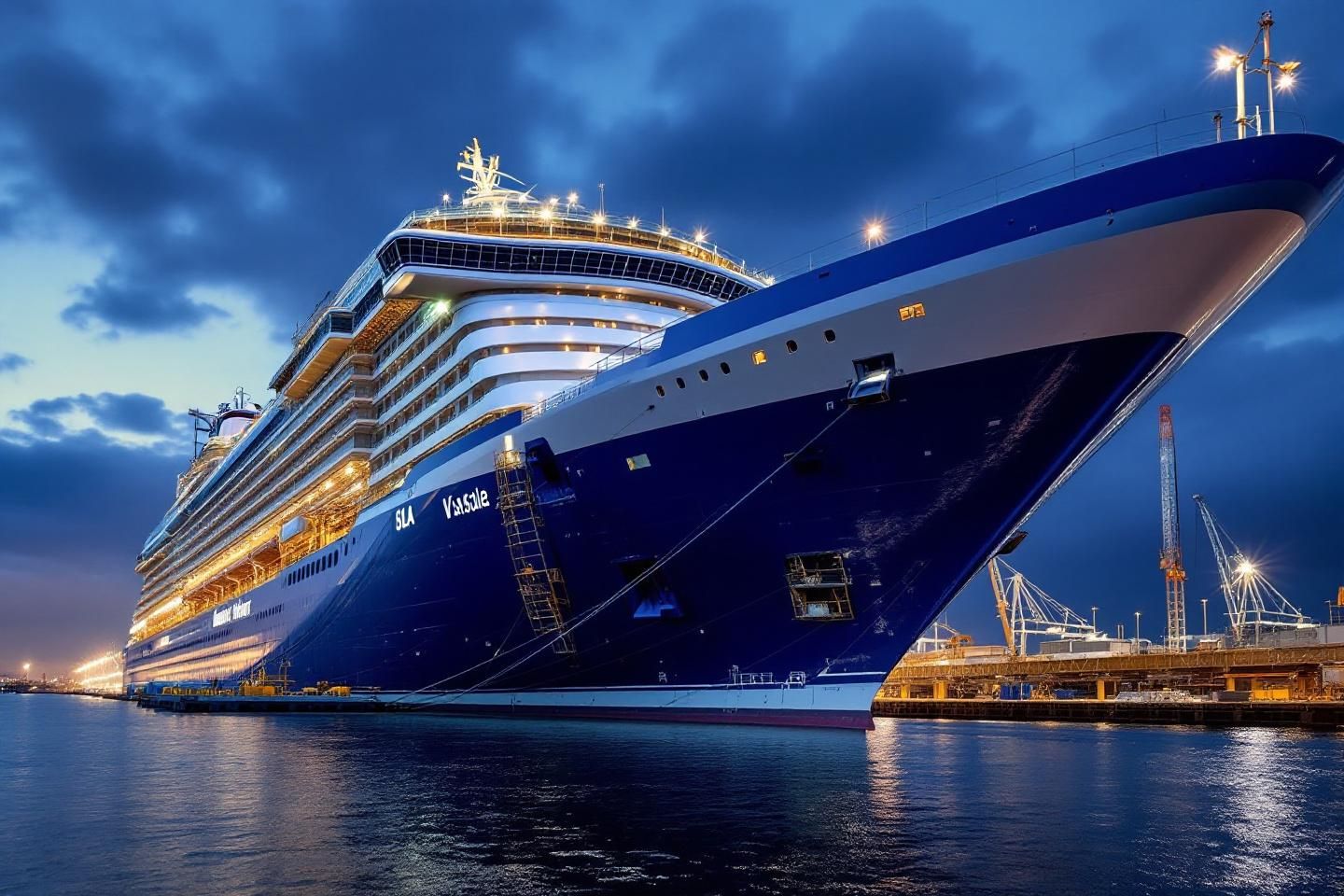
The cruise industry landscape shifted dramatically on December 15, 2025, when MSC Cruises announced a massive shipbuilding agreement with Germany’s legendary Meyer Werft shipyard. This isn’t just another vessel order—it’s a six-ship commitment that signals MSC’s aggressive expansion strategy and represents one of the most significant cruise ship orders in recent memory.
The Deal That’s Reshaping Cruise Ship Construction
According to Shipping Telegraph, MSC Cruises has ordered four next-generation cruise vessels from Meyer Werft in Papenburg, Germany, with options for two additional ships. The announcement was made at the Federal Ministry for Economic Affairs and Energy in Berlin, with heavy hitters from both government and industry in attendance—including German Federal Minister for Economic Affairs and Energy Katherina Reiche, Lower Saxony Minister-President Olaf Lies, MSC Cruises Executive Chairman Pierfrancesco Vago, and Meyer Werft CEO Dr. Bernd Eikens.
This high-profile announcement underscores the economic and strategic importance of the partnership. It’s not every day that government ministers attend a cruise ship order signing, but when the deal supports thousands of jobs and represents billions in investment, it commands that level of attention.
Meet the “New Frontier” Class
The ships being ordered represent an entirely new class for MSC Cruises, appropriately dubbed the “New Frontier” platform. These vessels will be substantial additions to the global cruise fleet, with specifications that put them firmly in mega-ship territory:
- Maximum passenger capacity: 5,400 guests
- Gross tonnage: Approximately 180,000 GT
- Delivery schedule: Annual deliveries beginning in 2030
At 180,000 gross tons, these ships will be among the largest cruise vessels afloat when they debut, though they’ll still fall short of the absolute giants like Royal Caribbean’s Icon and Oasis class vessels. The 5,400-passenger capacity suggests MSC is balancing size with the ability to call at a wide range of ports—too large, and you limit your itinerary options significantly.
Why This Order Matters for the Cruise Industry
This deal represents more than just MSC expanding its fleet. It’s a statement about the company’s confidence in the long-term growth trajectory of the cruise industry. With annual deliveries starting in 2030 and potentially running through 2035 if both options are exercised, MSC is making a decade-long bet on continued demand for cruise vacations.
The timing is particularly interesting. While the cruise industry has bounced back strongly from pandemic disruptions, we’re also seeing increasing competition, evolving environmental regulations, and changing consumer preferences. MSC’s commitment to six new mega-ships suggests the company sees these challenges as manageable and believes the market can absorb this capacity.
MSC Executive Chairman Pierfrancesco Vago emphasized the partnership’s significance, stating: “Together, we will create vessels that redefine the cruise experience while preserving the craftsmanship that keeps Germany at the forefront of maritime engineering.” This language suggests MSC is aiming for ships that push boundaries while leveraging Meyer Werft’s renowned reputation for quality and innovation.
The Meyer Werft Connection
For Meyer Werft, this order is monumental. The 230-year-old German shipyard has built some of the most innovative cruise ships in history, but it’s also faced financial challenges in recent years. CEO Dr. Bernd Eikens didn’t hide his enthusiasm, remarking: “This new order marks a significant milestone in the 230-year history of MEYER WERFT. We are delighted to welcome MSC Cruises as a new customer.”
The economic impact extends far beyond the shipyard’s walls. Meyer Werft directly employs over 3,200 workers, and approximately 20,000 regional jobs are connected to shipyard operations. When you factor in the suppliers, service providers, and supporting industries that depend on shipyard activity, this six-ship order represents a substantial economic boost for the region.
The fact that MSC is a new customer for Meyer Werft is particularly noteworthy. MSC has historically built ships at multiple yards, including STX France (now Chantiers de l’Atlantique) and Fincantieri in Italy. Choosing Meyer Werft for this new class suggests MSC values the yard’s technical expertise and wants to diversify its shipbuilding relationships.
What “New Frontier” Might Bring
While specific design details haven’t been revealed, the name “New Frontier” hints at innovation and new experiences. Based on MSC’s recent ship designs and industry trends, we can make some educated guesses about what these vessels might feature:
Environmental Technology: With deliveries starting in 2030, these ships will likely incorporate the latest in environmental technology—possibly including LNG propulsion, shore power capabilities, advanced wastewater treatment, and energy-efficient design elements. Environmental regulations are only getting stricter, and MSC will want these ships compliant for decades.
Innovative Public Spaces: MSC has been pushing boundaries with features like the Infinity Pool on MSC Seascape and the expansive promenade designs on recent ships. The New Frontier class will likely continue this trend with signature spaces designed to wow guests and differentiate MSC from competitors.
Technology Integration: Smart cabin technology, enhanced connectivity, and digital guest services are becoming table stakes. These 2030s-era ships will likely feature seamless technology integration that we’re only beginning to see on current vessels.
Flexible Dining and Entertainment: MSC has been expanding its dining concepts and entertainment offerings. With 5,400 passengers to feed and entertain, expect multiple specialty restaurants, diverse entertainment venues, and spaces that can adapt to different uses throughout the day.
The Competitive Landscape
This order intensifies the ongoing arms race among the world’s major cruise lines. Royal Caribbean Group continues to dominate the mega-ship segment with its Icon and Oasis class vessels, while Carnival Corporation has been investing heavily in upgrades and selective newbuilds. Norwegian Cruise Line Holdings has been more conservative with new ship orders, focusing on optimizing existing capacity.
MSC’s aggressive expansion—remember, they also have other ships on order at various yards—positions them as a serious global player competing directly with the Big Three North American cruise conglomerates. The company has grown from a regional Mediterranean player to a worldwide operator in remarkably short time, and these six new ships will further cement that transformation.
Looking Ahead to 2030
With first delivery scheduled for 2030, we’re still five years away from seeing the first New Frontier ship in service. That might seem like a long wait, but cruise ship construction is an intricate, time-intensive process. These floating cities require years of planning, engineering, and construction.
For cruise enthusiasts and industry watchers, this announcement sets the stage for the next decade of MSC’s growth. Six ships delivering annually from 2030 means MSC will be welcoming major new capacity every single year for potentially six consecutive years—an unprecedented sustained expansion that will reshape the company’s global footprint.
The financial terms weren’t disclosed, but industry analysts estimate mega-ship construction costs typically range from $800 million to over $1 billion per vessel depending on specifications. If we conservatively estimate $900 million per ship, this six-ship order could represent a $5.4 billion investment—a staggering commitment that underscores MSC’s confidence in the future of cruising.
The Bottom Line
MSC Cruises’ partnership with Meyer Werft for the New Frontier class represents one of the most significant cruise ship orders in recent years. It’s a bold statement about MSC’s ambitions, the cruise industry’s growth trajectory, and the continuing evolution of mega-ship design. While we won’t see these vessels for another five years, the announcement itself tells us plenty about where the industry is headed: bigger fleets, continued innovation, and fierce competition for cruisers’ vacation dollars.
For those of us who love following cruise industry developments, this is a story worth watching. As design details emerge over the coming years and we get closer to that 2030 delivery date, we’ll learn much more about what “New Frontier” really means. Based on MSC’s track record of pushing boundaries and Meyer Werft’s engineering excellence, these ships are likely to be impressive additions to the global cruise fleet.