
MSC's Dubai Cruise Ship Has Been Stranded for Days — and More Cancellations Are Coming
MSC Euribia is stuck in Dubai as Middle East airspace closures and port shutdowns force the cancellation of multiple sailings. Here's what passengers need to know — and why this situation is far from over.
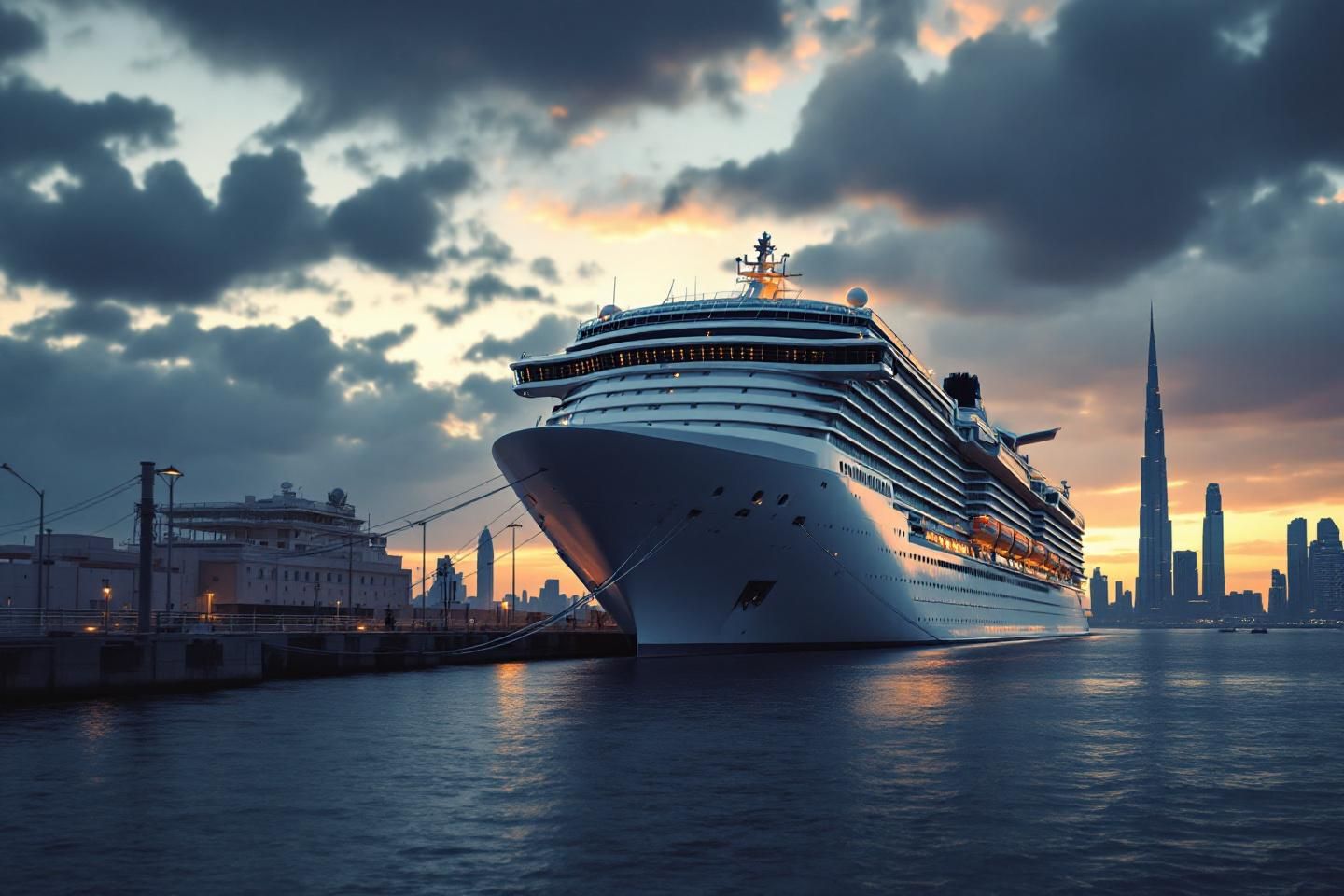
A luxury cruise ship sitting idle at a Dubai pier, its passengers stuck in limbo and its next port literally closed — that’s the reality unfolding right now for MSC Euribia, and it raises some serious questions about the state of Middle East cruising in 2026.
According to Cruise Industry News, MSC Cruises has cancelled two sailings aboard the MSC Euribia that were scheduled to depart from Dubai on February 28 and March 7, 2026. The reason cited by the cruise line is blunt: “the current situation and the closure of the airspace across the Middle East region.” If you had one of those sailings booked, your vacation is over before it started.
What’s Actually Happening Out There
The MSC Euribia isn’t just delayed — it’s docked in Dubai with nowhere to go. The port of Doha, which was the ship’s next scheduled destination, has been closed to all vessels due to the regional conflict currently gripping the area. That’s not a minor routing inconvenience. That’s the kind of disruption that ripples across an entire sailing calendar.
The cancelled seven-night itineraries were scheduled to visit Abu Dhabi, Sir Bani Yas, Doha, Khalifa Bin Salman, and Dubai — a Gulf region circuit that has grown substantially in popularity over the past several years as cruise lines looked to capitalize on Dubai’s emergence as a luxury travel hub. Those ports are now either inaccessible or deemed unsafe enough to justify pulling the plug entirely.
For passengers currently aboard the Euribia, MSC has instructed them to stay within the cruise terminal area, though they are permitted to go ashore. The company is also providing complimentary Wi-Fi — a small but telling gesture that speaks to just how uncertain the situation has become. When a cruise line’s best offer is free internet so you can figure out what to do next, things have gone sideways.
The Compensation Picture
On the refund side, MSC is doing the right thing. Guests on the cancelled sailings will receive full refunds for all fares paid. Those who pre-booked shore excursions will get complete reimbursements applied directly to their onboard accounts. That’s a clean response, and passengers shouldn’t have to fight for it.
But a full refund doesn’t replace a vacation you spent months planning. Flights, hotels, time off work, connecting travel — none of that comes back automatically. Passengers who booked cruise-line air will likely have an easier path to resolution, but independent travelers are going to be navigating cancellation policies across multiple vendors at once. It’s a stressful position to be in through no fault of your own.
The Bigger Problem: This Isn’t Over
What makes this story worth watching isn’t just the sailings that have already been cancelled — it’s the ones still on the schedule. The MSC Euribia has a string of additional departures lined up, and with the ship sitting in Dubai, the port of Doha closed, and regional airspace still affected, the math doesn’t work in anyone’s favor.
The cruise industry has been through Middle East disruptions before. The Houthi attacks on Red Sea shipping in 2024 forced widespread itinerary changes across multiple lines, and those effects lingered far longer than most passengers expected. This situation appears to involve a different but equally destabilizing set of regional dynamics, and if history is any guide, cruise lines tend to be conservative when it comes to reintroducing ships to conflict zones.
That conservatism is warranted. But it does mean that anyone with a Gulf cruise booked in the coming weeks should be monitoring the situation closely and making sure they understand what their cancellation and rebooking rights look like under their specific booking terms.
What This Means for Future Middle East Cruising
The Gulf region has been a genuine growth story for the cruise industry over the past decade. Dubai, Abu Dhabi, and Oman have invested heavily in cruise infrastructure, and the passenger numbers have reflected that investment. The appeal is real: the weather, the ports, the novelty factor, and the luxury positioning all line up well for premium cruise products.
But the region’s proximity to active conflict zones is an unavoidable variable, and it’s one that no amount of onboard programming or shore excursion curating can offset. When ports close and airspace shuts down, the entire logistical foundation of a cruise itinerary collapses.
We’re not suggesting the Middle East cruise market is finished. Far from it. But this disruption is a reminder that geography matters, and that passengers booking itineraries in geopolitically sensitive regions should go in with eyes open — including travel insurance that explicitly covers regional conflict disruptions, which standard policies often do not.
What to Do If You’re Booked
If you have an upcoming MSC Euribia sailing in the Gulf region, contact MSC Cruises directly to understand your current options. Do not wait for the cruise line to reach out proactively — in situations like this, being ahead of the communication curve is the difference between getting a rebooking you actually want and accepting whatever inventory is left over.
For passengers currently aboard the ship in Dubai, MSC’s guidance to remain near the terminal while the situation is assessed is sensible. The cruise line is keeping communication channels open, which is the right call.
The MSC Euribia isn’t going anywhere for now. The question is how long “for now” lasts — and how many more sailings get cancelled before the answer becomes clear.