
MSC Just Dropped €3.5 BILLION on Two New Ships—And the Numbers Are Staggering
MSC Cruises orders two more World Class ships worth €3.5 billion, bringing total fleet to eight LNG-powered vessels by 2031. This massive investment signals confidence in cruise industry's future.
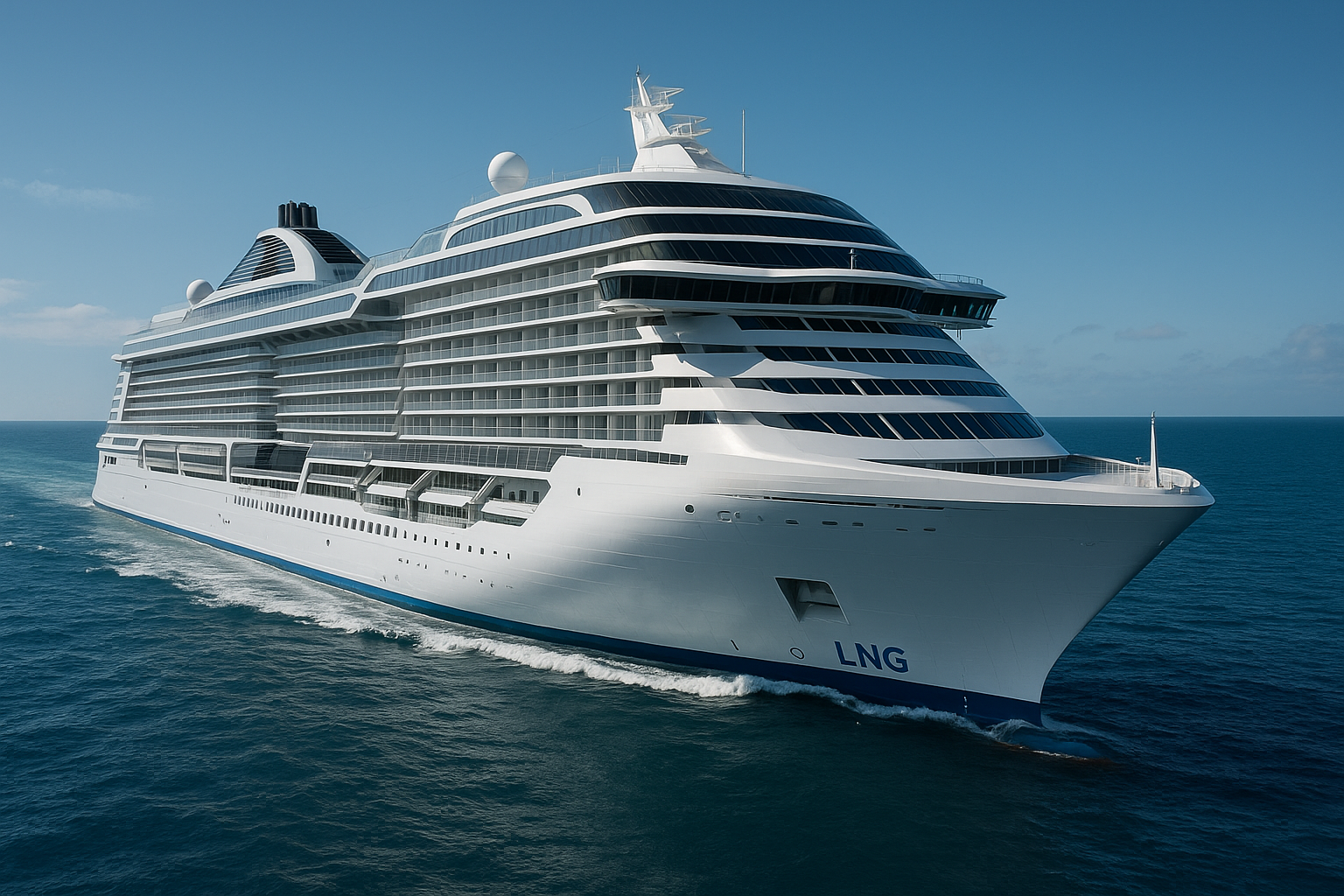
If you thought the cruise industry was slowing down, think again. MSC Cruises just made a move that proves cruise lines are betting BIG on the future—and we’re talking billions with a “B.”
According to Cruise Industry News, MSC Cruises and French shipbuilder Chantiers de l’Atlantique announced orders for two additional World Class ships—numbers seven and eight in the series—valued at a jaw-dropping €3.5 billion. These massive vessels are scheduled for delivery in 2030 and 2031, and they represent one of the most significant investments in cruise ship construction we’ve seen this year.
The World Class Fleet Just Got Even Bigger
Here’s what makes this announcement so significant: MSC isn’t just ordering a couple of ships. They’re expanding an already ambitious fleet of vessels that are redefining what modern cruise ships can be.
The World Class series now comprises eight ships total. The first vessel, MSC World Europa, launched in 2022 and set the standard for what these ships would become. MSC World America is set to debut in 2025, followed by MSC World Asia in 2026 and MSC World Atlantic in 2027. And now, with this latest announcement, four additional unnamed ships will join the fleet by 2031.
That’s eight ultra-modern, LNG-powered cruise ships—all part of the same revolutionary platform—representing one of the largest coordinated fleet expansions in cruise history.
Why This €3.5 Billion Investment Matters
Let’s put this into perspective. The €3.5 billion price tag for these two ships alone is massive, but it’s just part of MSC’s 2025 spending spree in France. This latest order brings MSC’s total investment in French shipbuilding this year to nearly €7 billion across four ships. Their combined direct investment commitment in France? A staggering €10.5 billion.
These aren’t just numbers on a balance sheet. This level of investment signals something crucial about where MSC—and the cruise industry as a whole—sees the future heading.
“The World Class platform is a symbol of our vision to set new standards for the future of cruising,” said Pierfrancesco Vago, Executive Chairman of MSC Group’s Cruise Division, in the announcement.
And he’s not exaggerating. These ships are being designed as some of the most energy-efficient vessels on the planet, with LNG propulsion systems that dramatically reduce emissions compared to traditional fuel. But here’s the kicker: they’re also being built with future renewable fuel compatibility in mind.
What Makes World Class Ships So Special?
If you haven’t experienced a World Class ship yet, you’re missing out on what many consider the next generation of cruise vessels. These ships aren’t just bigger—they’re fundamentally different in how they’re designed, powered, and operated.
First, there’s the LNG (liquefied natural gas) propulsion system. While it might sound technical, what it means for cruisers is simple: cleaner cruising with significantly reduced environmental impact. LNG produces virtually zero sulfur oxide emissions, dramatically lower nitrogen oxide emissions, and reduced carbon dioxide output compared to traditional marine fuels.
But MSC didn’t stop there. These ships are being designed with future fuels in mind. As the cruise industry continues evolving toward even greener technologies—including potential synthetic fuels and other renewable energy sources—these World Class vessels are being built to adapt.
The energy efficiency angle is equally impressive. According to the announcement, these ships are among the most energy-efficient cruise vessels globally. That means advanced hull designs, optimized propulsion systems, waste heat recovery, and cutting-edge HVAC systems that reduce the overall energy footprint of operating a massive floating resort.
The French Connection: A Shipbuilding Partnership
There’s another fascinating angle to this story: the deepening partnership between MSC and French shipbuilder Chantiers de l’Atlantique.
Laurent Castaing, General Manager of Chantiers de l’Atlantique, emphasized the significance of this relationship: “Four new ships ordered in 2025. The World Class series, now totaling eight vessels, is a testament to our teams’ expertise.”
When a cruise line commits to ordering eight ships of the same class from a single shipyard, it speaks volumes about the level of trust, expertise, and proven results. Chantiers de l’Atlantique has been building some of the world’s most impressive cruise ships for decades, and this World Class series represents the pinnacle of that collaboration.
For France, this investment means thousands of jobs, technological innovation, and a continued position as one of the world’s premier cruise ship construction hubs. For MSC, it means consistency in quality, streamlined construction processes, and vessels built by a team that knows exactly what they’re doing.
What This Means for Cruise Passengers
So what does all this mean if you’re actually booking a cruise in the coming years?
First, it means more options. Eight World Class ships will sail to destinations around the globe, offering more departure ports, more itineraries, and more sailing dates. More capacity generally means more competitive pricing and better deals for consumers.
Second, it means experiencing ships that represent the absolute cutting edge of cruise technology and design. These aren’t incremental improvements over previous generations—they’re fundamental reimaginings of what a cruise ship can be.
Third, it signals MSC’s confidence in the cruise industry’s future. When a company invests €10.5 billion in new ships, they’re betting on continued strong demand for cruise vacations. That kind of investment doesn’t happen unless leadership sees robust bookings continuing for years to come.
The Broader Industry Implications
MSC’s massive ship order is happening against a backdrop of significant fleet expansion across the entire cruise industry. Other major lines are also investing heavily in new tonnage, each trying to outdo the others with innovative features, better efficiency, and unique passenger experiences.
But this World Class expansion is particularly noteworthy because of its scale and timing. While some analysts have questioned whether the cruise industry might be overbuilding, MSC is clearly betting that demand will not only continue but grow substantially over the next decade.
The focus on LNG propulsion and future fuel compatibility also reflects the industry’s response to increasing environmental scrutiny. As destinations implement stricter emissions regulations and consumers become more environmentally conscious, cruise lines that invested early in cleaner technologies will have a competitive advantage.
Looking Ahead to 2030 and 2031
We’re still five to six years away from these two newest World Class ships hitting the water, but their construction begins now. That means thousands of workers in France will be fabricating steel, installing systems, and crafting the interiors that will eventually welcome millions of passengers.
By the time these ships launch in 2030 and 2031, the cruise industry could look quite different than it does today. New technologies, changing passenger preferences, and evolving environmental regulations will all shape what cruising looks like a decade from now.
But one thing seems certain: MSC is positioning itself to be at the forefront of whatever comes next. With eight World Class ships representing the newest, most efficient, and most future-ready vessels in their fleet, they’re making a statement about their long-term vision for cruising.
The Bottom Line
MSC’s €3.5 billion order for two more World Class ships isn’t just a routine fleet expansion—it’s a bold declaration about the future of cruising. These LNG-powered, energy-efficient vessels represent the industry’s evolution toward cleaner, more sustainable operations without sacrificing the guest experience.
For cruise enthusiasts, it means more opportunities to sail on cutting-edge ships. For the environment, it means continued progress toward reducing the cruise industry’s carbon footprint. And for MSC, it cements their position as one of the world’s fastest-growing and most innovative cruise lines.
Whether you’re a loyal MSC cruiser or you’ve never sailed with them before, these eight World Class ships—including the two just announced—will be impossible to ignore. They represent not just the future of MSC Cruises, but potentially the future of the entire cruise industry.
And with a price tag like €3.5 billion, you can bet MSC is going to make sure every euro counts.