
Alaska's Cruise Capital Just Changed Hands—And It's All Because of One City's Bold Limit
Ketchikan is set to surpass Juneau as Alaska's busiest cruise port in 2026, driven entirely by Juneau's voluntary passenger caps. The historic shift reveals how one community's choice to limit tourism is reshaping the state's cruise map.
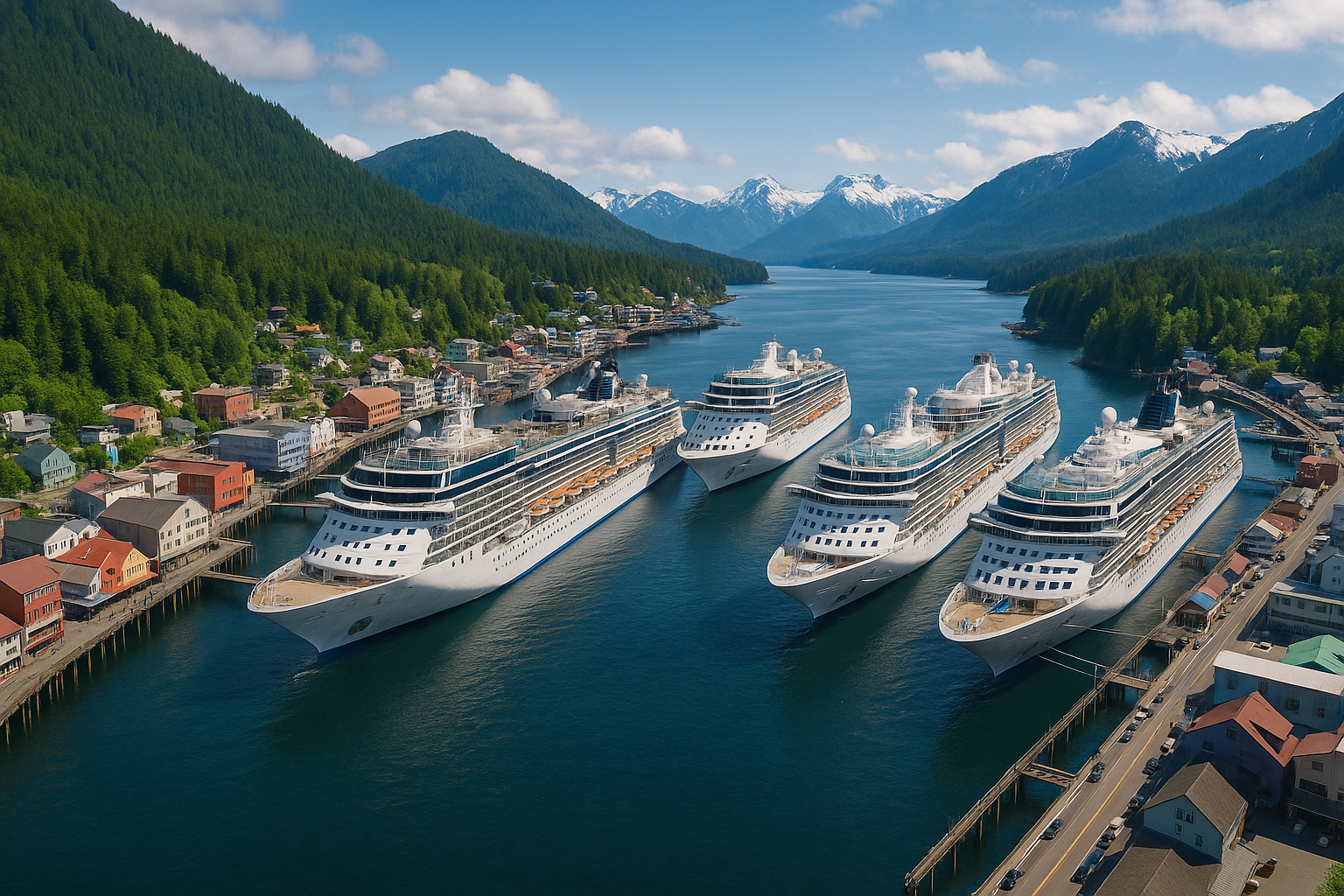
For decades, Juneau has reigned as Alaska’s undisputed cruise capital, welcoming more passengers than any other port in the state. But 2026 marks the end of that era. Ketchikan is about to take the crown—and the reason why reveals a fascinating shift in how Alaska’s communities are managing the cruise boom.
According to a report from CruiseMapper, Ketchikan is projected to receive more cruise passengers than Juneau for the first time in 2026, a historic shift driven entirely by Juneau’s decision to voluntarily cap its daily cruise traffic.
The Caps That Changed Everything
In 2024, Juneau implemented strict limits on cruise tourism: no more than five ships per day, with a daily passenger ceiling of 16,000—reduced to just 12,000 on Saturdays. These voluntary restrictions came after years of community debate about overtourism in Alaska’s capital city.
The move was unprecedented for a major Alaska cruise port. While Juneau recorded a record 1.69 million passengers in 2025, the caps effectively put a ceiling on future growth. And cruise lines took notice.
Royal Caribbean Leads the Redistribution
The impact on itinerary planning has been immediate and measurable. Royal Caribbean International, one of Alaska’s largest cruise operators, is cutting its downtown Juneau calls from four ships in 2025 to just three in 2026.
But here’s the crucial detail: Royal Caribbean isn’t reducing its Alaska presence. The cruise line is maintaining four vessels in Alaskan waters by redistributing those calls to other Southeast Alaska ports—particularly Ketchikan and Icy Strait Point near Hoonah.
This strategic shift perfectly illustrates how interconnected Alaska’s cruise ecosystem really is. When one port restricts capacity, the traffic doesn’t disappear—it flows to ports that can accommodate it.
Ketchikan’s Infrastructure Advantage
Ketchikan didn’t stumble into this opportunity unprepared. The city has invested in its cruise infrastructure, most notably through The Mill at Ward Cove, a privately developed cruise facility that opened in 2021 north of downtown.
This facility has successfully redistributed visitor flows away from Ketchikan’s compact downtown core while supporting new attractions and experiences. The investment positioned Ketchikan to absorb exactly the kind of traffic that Juneau’s caps would redirect.
What This Means for Alaska’s Cruise Future
The Juneau-Ketchikan shift reveals something important about Alaska’s cruise industry: passenger caps work, but they redistribute pressure rather than eliminate it. Juneau’s residents may have achieved their goal of managing overtourism, but that doesn’t mean fewer ships are sailing Alaska—it means they’re calling at different ports.
This creates both opportunities and challenges. Communities like Ketchikan stand to benefit economically from increased traffic, assuming they can manage the visitor experience and maintain resident quality of life. The question is whether other Southeast Alaska ports will follow Juneau’s lead with their own caps, or whether they’ll embrace the growth.
Interestingly, Juneau isn’t done building cruise infrastructure. A proposed two-berth cruise facility on Douglas Island is scheduled to open in 2028, though questions remain about whether those calls would count within the existing daily limits. If they don’t, Juneau could potentially reclaim its position as Alaska’s busiest cruise port.
A Divided Community Response
Survey results from Juneau showed how divided the community was on cruise tourism, with residents split on whether the economic benefits outweigh the quality-of-life drawbacks. That ambivalence led directly to the caps that are now reshaping regional traffic patterns.
Other Southeast Alaskan communities have reported higher levels of support for cruise tourism, suggesting they may be more willing to accommodate the displaced traffic. But as Ketchikan prepares to welcome more passengers than ever before, it remains to be seen whether public sentiment will shift as the ships arrive.
The Bottom Line
The cruise industry doesn’t shrink when one port sets limits—it adapts. Juneau’s voluntary caps represent a landmark moment in cruise port management, proving that communities can take control of their tourism destinies. But the unintended consequence is that Alaska’s cruise capital is changing hands, not because of declining interest in the state, but because of one city’s decision to prioritize quality over quantity.
For cruisers planning Alaska sailings in 2026, the shift may be invisible. Your ship might make one more stop in Ketchikan and one fewer in Juneau, but you’ll still experience the stunning scenery and frontier culture that make Alaska one of the world’s most popular cruise destinations.
For Alaska’s communities, though, 2026 marks a turning point—a year when the state’s cruise map was fundamentally redrawn by local choice rather than industry preference.