
Juneau Braces for Massive Cruise Tourism Surge—Here's What's Changing
Alaska's capital is preparing for up to seven cruise ships per day as a new Royal Caribbean partnership port opens before 2028, forcing the city to rethink its tourism infrastructure and policies.
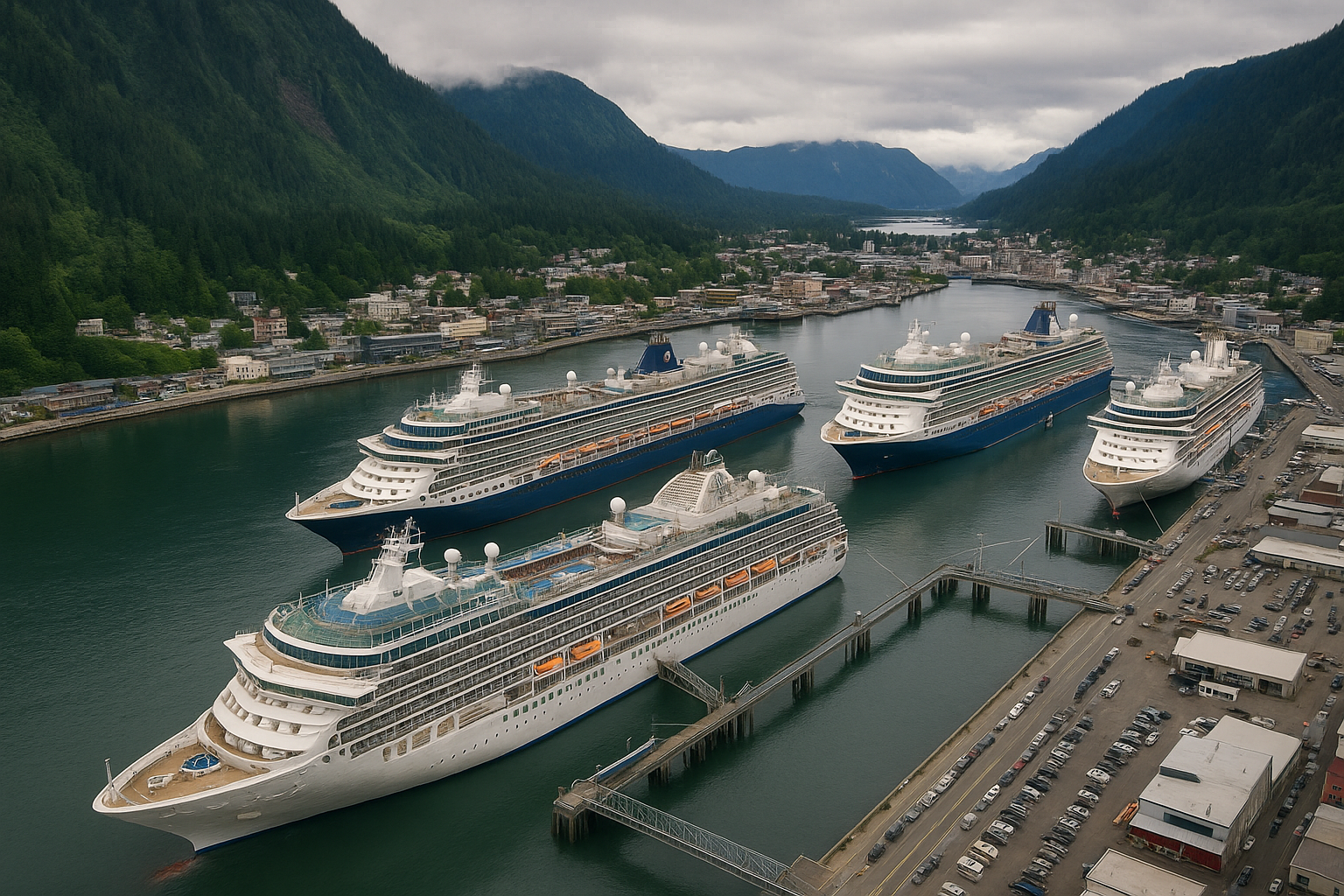
Alaska’s capital city is about to get a whole lot busier. With a new two-berth cruise port set to open before 2028, Juneau is preparing for a potential surge in cruise tourism that could push the city’s infrastructure and resources to their limits—and officials are scrambling to figure out how to manage it.
The Big Shift: From Five Ships to Seven
Currently, Juneau operates under a voluntary five-ship-a-day agreement that’s in place through 2027. It’s been a delicate balance between welcoming cruise tourism dollars and preserving the quality of life for local residents. But that equilibrium is about to be tested.
Goldbelt Incorporated, in partnership with Royal Caribbean, is building a new private cruise port that will add two additional berths to the city’s capacity. Once complete, Juneau could potentially welcome up to seven large cruise ships per day instead of the current five.
According to Cruise Industry News, Tourism Director Alexandra Pierce put it bluntly: seven berths will “substantially increase the community’s visitor capacity,” and city leaders need to plan ahead now.
What This Means for Juneau
The implications are massive. We’re not just talking about two more ships—we’re talking about potentially thousands more cruise passengers flowing into a relatively small city every single day during the busy summer season.
Community Development Director Jill Lawhorne emphasized that “infrastructure capacity must be evaluated to match potential increases in visitors.” Translation? The city needs to figure out if its roads, public facilities, emergency services, and tourist attractions can actually handle the influx before those first extra ships arrive.
The new dock was designed with the promise of strengthening infrastructure, reducing traffic congestion, and enhancing experiences for both locals and visitors. But that’s easier said than done when you’re potentially adding 40% more ship capacity to an already bustling port.
A Major Policy Pivot
Here’s what’s particularly interesting: this represents a significant shift in Juneau’s approach to cruise tourism. Previous policies focused on reducing the adverse impacts of tourism on residents—essentially trying to manage the downsides of an already robust industry.
Now, the city is pivoting toward what Pierce calls “managed growth evaluation.” She’s recommending the development of a comprehensive ten-year tourism goal plan with data-supported parameters for sustainable growth. This isn’t about stopping growth—it’s about figuring out how much growth the city can realistically sustain.
The Royal Caribbean Factor
The partnership with Royal Caribbean adds another layer to this story. When major cruise lines invest in private port infrastructure, they’re making a long-term bet on that destination. Royal Caribbean doesn’t build docks on a whim—they build them where they plan to send ships for years, even decades.
For Juneau, this private partnership could be a double-edged sword. On one hand, it brings investment and upgrades without burdening taxpayers. On the other, it creates pressure to accommodate those ships and keep the partnership thriving, potentially making it harder to scale back if the increased tourism proves problematic.
What Happens Next
City officials previously indicated “a strong probability the five-ship limit would apply to the new dock—meaning a dispersal of existing total passengers rather than an increase in them.” But that messaging seems to be evolving. The talk now is about planning for increased capacity, not just redistributing existing visitors.
The reality is that Juneau has about three years before this becomes a concrete reality. Three years to upgrade infrastructure, develop comprehensive tourism management plans, and decide what kind of cruise destination it wants to be.
Why This Matters Beyond Alaska
Juneau’s situation is a microcosm of what’s happening in popular cruise ports worldwide. As the cruise industry continues its explosive post-pandemic growth, more destinations are grappling with the same question: how much tourism is too much?
Venice famously banned large cruise ships from its historic center. Santorini has imposed strict limits on daily cruise passengers. Now Juneau faces its own reckoning.
The difference? Juneau is approaching this proactively rather than reactively. By planning now for the capacity increase, the city has a chance to get ahead of the problems that have plagued other over-touristed ports.
For cruise passengers, this could mean continued access to one of Alaska’s most iconic ports—but potentially with more structure, more rules, and more management of shore excursions and downtown access. For Juneau residents, it means the next few years will be critical in shaping what their city looks and feels like for decades to come.
The clock is ticking, and by 2028, we’ll know whether Juneau’s proactive planning pays off—or whether the city becomes another cautionary tale of cruise tourism gone unchecked.