
Iceland Just Made a Decision That Could Kill Its Cruise Industry—Here's What Happened
Iceland's $18 per-passenger infrastructure tax has caused cruise bookings to plummet by 50% in some ports. Learn how this decision is devastating rural communities and why cruise lines are canceling visits.
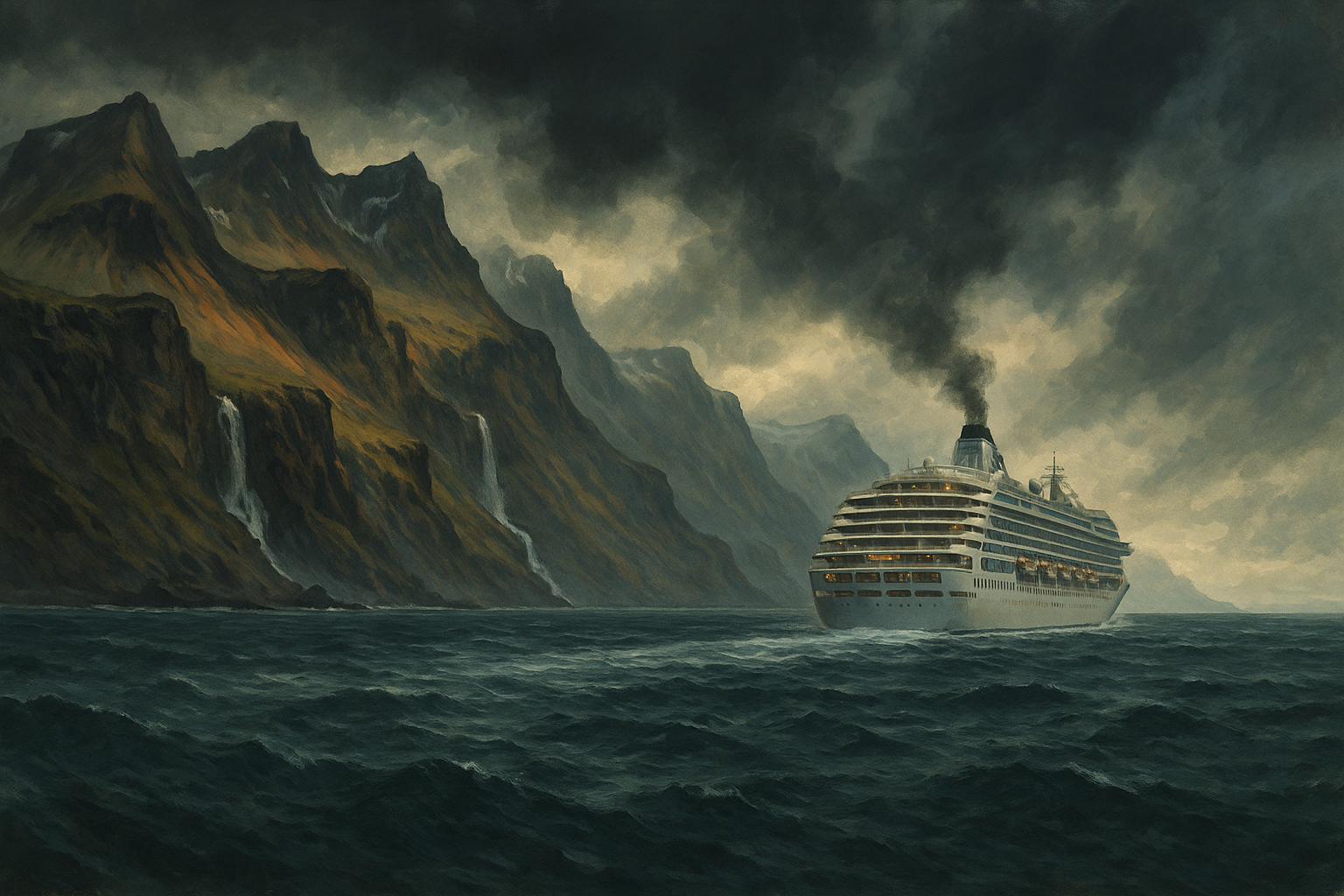
Iceland has long been one of the world’s most spectacular cruise destinations. With its dramatic fjords, cascading waterfalls, and otherworldly volcanic landscapes, the island nation became a must-visit port for cruise lines operating in Northern Europe and Arctic expedition routes.
But a new tax implemented at the start of 2025 is threatening to unravel it all—and cruise lines are already responding by canceling visits in droves.
The Tax That Changed Everything
On January 1, 2025, Iceland introduced a new infrastructure fee of 2,500 Icelandic krónur (approximately $18) per cruise passenger, per day at port. According to Cruise Industry News, the tax was expected to generate over $10 million annually for the state to help maintain port infrastructure.
The problem? That fee is significantly higher than comparable charges in neighboring cruise destinations like Norway, Greenland, and the Faroe Islands—and cruise operators noticed immediately.
The Fallout Is Already Severe
The impact has been swift and devastating, particularly for rural Icelandic communities that depend on cruise tourism:
Advance bookings through 2027 have fallen by over 50% in some ports. That’s not a typo—half of the expected cruise ship visits have simply vanished from the schedule.
Rural communities outside of Reykjavik are reporting severe economic setbacks. These small harbor towns often see cruise ship visits as critical economic lifelines, bringing thousands of tourists who spend money on local tours, restaurants, and shops.
Sigurður Jökull Ólafsson, managing director of Cruise Iceland, didn’t mince words about the situation: “The situation is seriously bleak, especially for communities outside the capital.”
Cruise Lines Are Voting With Their Ships
When MSC Cruises’ Port Operations Director Francesco de Curtis spoke about the tax, his message was clear: “This new proposed Infrastructure Fee is at a level where it could affect our assessment of the viability of Iceland in our future itineraries and plans.”
And cruise lines aren’t just talking—they’re acting. Cruise ship call numbers have dropped sharply since the tax took effect in January, with operators quietly shifting itineraries to alternative Northern European destinations where port fees are more competitive.
Why This Matters Beyond Iceland
Iceland’s situation offers a cautionary tale about the delicate balance between generating tourism revenue and maintaining a destination’s competitiveness in the global cruise market.
At $18 per passenger per day, Iceland’s fee might seem reasonable in isolation. But in an industry where margins matter and cruise lines have dozens of alternative ports to choose from, even small cost differences can determine whether a destination makes it onto the itinerary.
For cruise passengers, this means fewer opportunities to experience one of the world’s most unique destinations. For Iceland’s rural communities, it means lost jobs, shuttered businesses, and declining economic opportunities.
And for other destinations considering similar infrastructure taxes? Iceland’s experience might serve as a warning: charge too much, and the ships will simply sail elsewhere.
The Bottom Line
We’ve seen destinations struggle with overtourism before, but Iceland’s case is different. The country isn’t trying to reduce cruise visitors—it’s trying to fund infrastructure improvements. Yet the fee may have been set at a level that accomplishes the reduction anyway, just through unintended economic consequences rather than deliberate policy.
As advance bookings continue to plummet and rural ports watch their cruise calendars empty out, Iceland faces a critical question: Is the $10 million in annual tax revenue worth the broader economic impact of losing cruise tourism?
Based on the early results, the answer from Iceland’s harbor communities seems to be a resounding no.