
700 Passengers Stranded on Remote Island After Sudden Storm Hits Holland America Ship
A tropical squall turned a routine tender operation into a 90-minute ordeal for Holland America passengers at Kiriwina Island in Papua New Guinea.
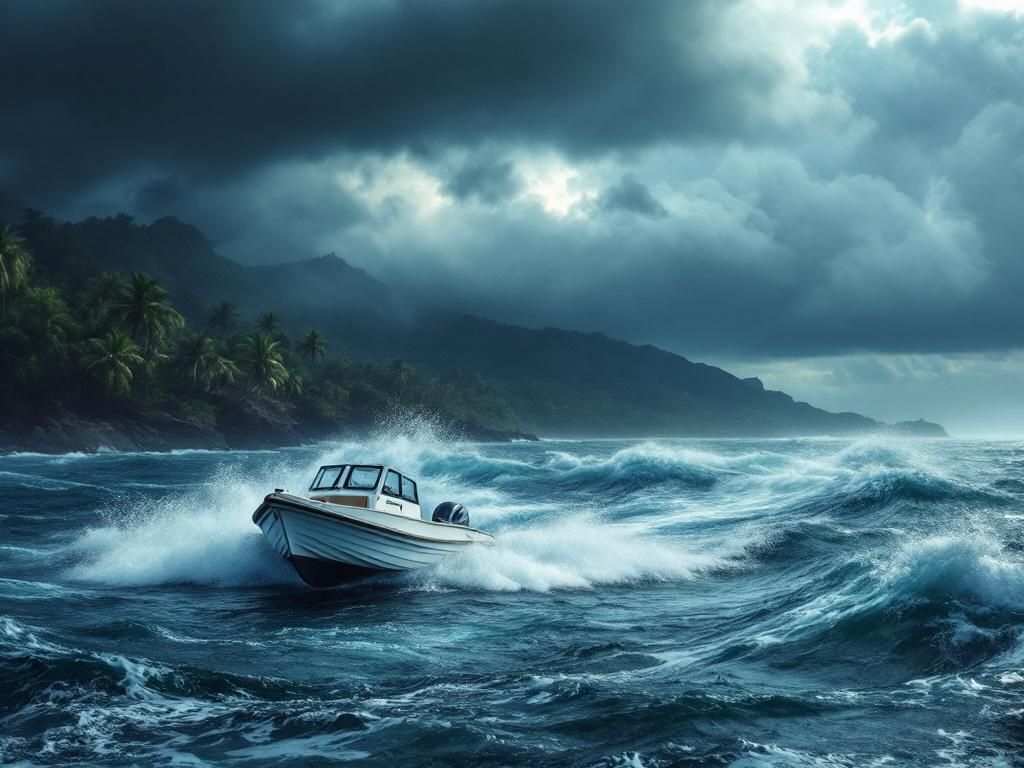
What was supposed to be a peaceful island excursion turned into a 90-minute nightmare for hundreds of Holland America passengers when Mother Nature had other plans.
According to Cruise Hive, the Noordam was conducting routine tendering operations at Kiriwina Island in Papua New Guinea when a sudden tropical squall swept through the area, leaving 700 passengers stranded ashore and three tender boats violently bobbing in increasingly dangerous waters.
When Paradise Turns Perilous
Kiriwina Island, part of Papua New Guinea’s remote Trobriand Islands, requires cruise ships to anchor offshore and ferry passengers to land via tender boats—small vessels that shuttle between ship and shore. It’s a common practice at ports without deep-water docks, and normally it’s seamless.
But “normal” disappeared the moment the squall hit.
Video footage from the incident shows the small tender boats being tossed aggressively by wind and waves, their protective cloth coverings whipping violently in the gusts. At times, the boats’ bows can be seen splashing in and out of the aggressive swells—a terrifying sight for anyone aboard.
90 Minutes of Uncertainty
For passengers already in the tender boats when the weather turned, the experience became an endurance test. Some guests found themselves bobbing in rough seas for up to 90 minutes as conditions made it unsafe for the tenders to approach the ship.
Think about that for a moment. An hour and a half in a small boat, being thrown around by wind and waves, unable to return to the safety and stability of your cruise ship. Meanwhile, 700 other passengers remained stranded on the island, watching the weather deteriorate and wondering when they’d get back aboard.
The situation highlights one of cruising’s lesser-discussed realities: when you’re visiting remote ports that require tendering, you’re at the mercy of weather conditions that can change in minutes.
Why This Matters for Cruisers
This incident at Kiriwina Island raises important questions about cruise operations in remote destinations:
Weather unpredictability: Tropical squalls can develop rapidly, especially in regions like Papua New Guinea. Even with modern weather forecasting, conditions at sea can change faster than cruise lines can react.
The tender boat challenge: While major cruise ports have invested billions in infrastructure that allows ships to dock directly, many exotic destinations—the very ports that make itineraries unique and appealing—require tendering. This adds an element of weather vulnerability that doesn’t exist at traditional ports.
Crew preparedness: The fact that all passengers returned safely, despite frightening conditions, speaks to crew training and experience. Tender operations in challenging weather require skilled pilots who know how to handle small vessels in rough seas.
Communication gaps: Passengers stranded ashore for extended periods face uncertainty. How well are cruise lines communicating with guests during weather disruptions? Are stranded passengers getting regular updates about when they might return to the ship?
The Silver Lining
Despite the scary conditions, this story has a positive ending. All 700 passengers were eventually brought back to the ship safely once the squall passed. No injuries were reported, and while there was some minor damage to the tenders, nothing was significant enough to compromise the boats’ operation.
Passengers actually praised the tender pilots for their skill in keeping everyone safe during the ordeal. One guest noted the “skill and experience of the tender pilots to be able to ride this out and keep everyone safe.”
The Noordam was able to complete her visit to Kiriwina Island once conditions improved.
What Cruisers Should Know
If you’re planning a cruise that includes tender ports—especially in tropical or remote regions—here’s what this incident teaches us:
-
Pack patience in your carry-on: Weather delays at tender ports are relatively common. What’s unusual here is the severity and duration, but minor delays happen regularly.
-
Stay flexible: If you’re on shore when weather deteriorates, you might be waiting longer than expected to return to the ship. Bring essentials (medication, sun protection, water) on shore excursions.
-
Trust the crew: Cruise ship officers and tender pilots are trained for these situations. They won’t risk passenger safety to maintain a schedule.
-
Consider tender port alternatives: If the idea of small boat transfers makes you nervous, you can choose itineraries that only visit ports where ships dock directly. This eliminates weather-related tendering issues entirely.
-
Check your cruise line’s weather policies: Understand what happens if tender operations are cancelled entirely. Will you get a refund for missed ports? What are the communication protocols?
The Bigger Picture
Holland America’s Noordam incident is a reminder that cruising—despite all its modern luxuries and safety systems—still involves the ocean. And the ocean doesn’t care about your itinerary.
We spend so much time focusing on ship amenities, dining options, and entertainment that it’s easy to forget cruising involves genuine maritime operations. Tender boats, while routine, are real vessels operating in real ocean conditions with real risks.
The good news? Incidents like this are handled professionally by experienced crews who prioritize passenger safety over schedule adherence. The fact that 700 passengers spent extra time on a tropical island, and three tender boats rode out rough seas for 90 minutes, yet everyone returned safely without injury, is actually a testament to how well these operations work—even when weather throws a curveball.
Still, if you’re booking a cruise that includes tender ports in tropical regions, pack a little extra patience along with your sunscreen. Sometimes paradise comes with a side of unpredictability.