
Federal Court Allows Hawaii's Controversial 14% Cruise Tax to Take Effect
A federal judge dismissed most of CLIA's claims, clearing the way for Hawaii's 'Green Fee' to take effect January 1, 2026—adding up to 14% in taxes to cruise fares.
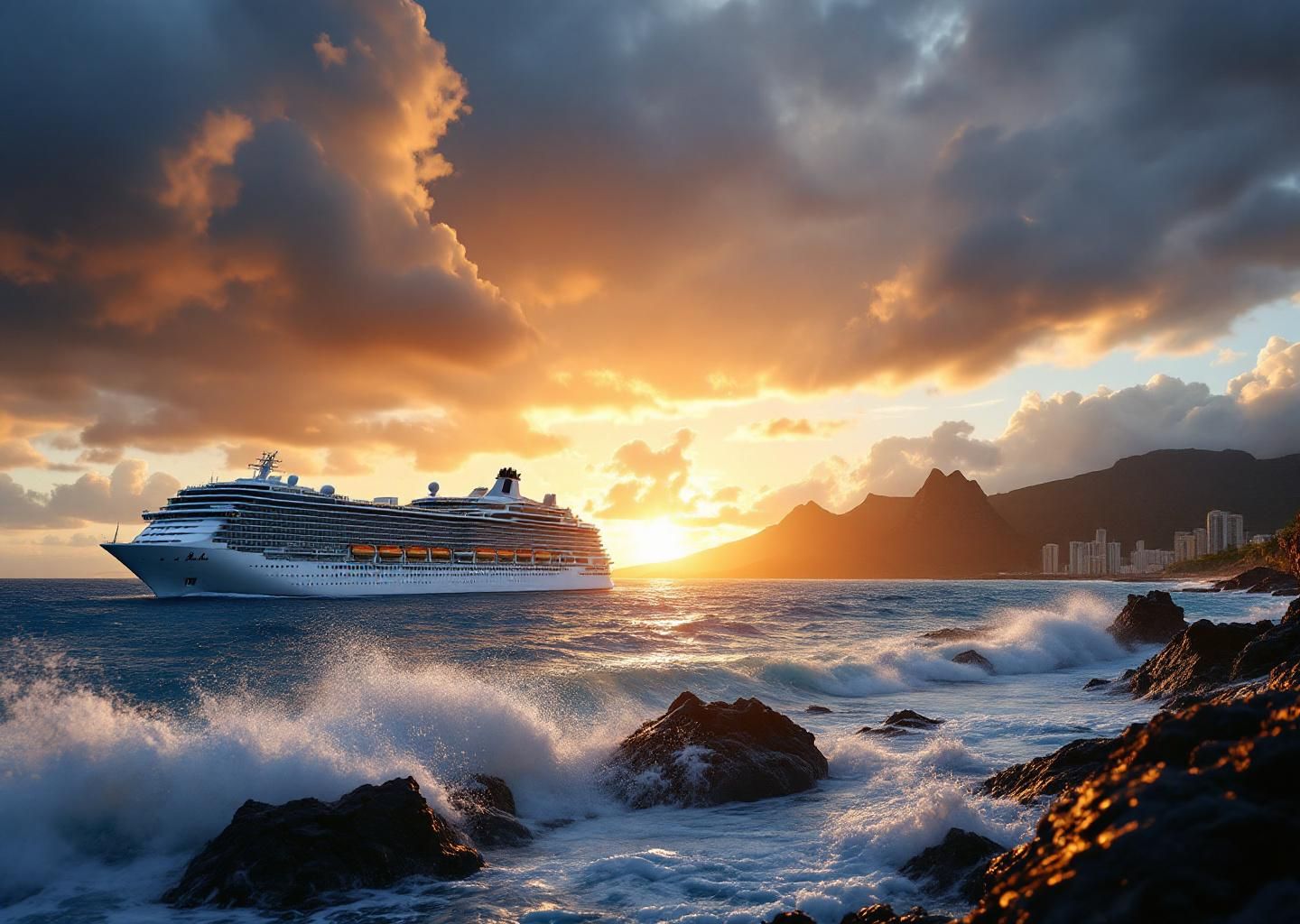
The cruise industry’s legal battle to block Hawaii’s new “Green Fee” has hit a major roadblock. A federal judge has dismissed most of the industry’s claims and cleared the way for the controversial tax to take effect on January 1, 2026—just days away.
The ruling, issued on December 23, 2025, by U.S. District Judge Jill Otake, marks a significant victory for the state of Hawaii and a costly defeat for cruise lines that argued the tax violates federal maritime law. According to the Honolulu Star-Advertiser, Judge Otake dismissed the bulk of claims brought by the Cruise Lines International Association (CLIA) and denied their request to block implementation.
What Exactly Is the “Green Fee”?
Act 96, signed into law earlier in 2025, establishes what Hawaii calls the nation’s first climate-focused fee on tourism. The legislation does two things that directly impact cruise passengers:
First, it raises the transient accommodations tax (TAT)—the same tax hotels charge—from 10.25% to 11% for all visitors. Second, and more significantly for cruisers, it extends this tax to cruise ships for the first time in Hawaii’s history.
But here’s where it gets expensive: The law imposes an 11% tax on gross cruise fares, and it authorizes each of Hawaii’s four counties to tack on an additional 3% surcharge. That brings the total potential tax burden to 14% of your cruise fare.
Hawaii officials estimate this will generate nearly $100 million annually to address climate-related challenges like eroding shorelines, wildfire prevention, and other environmental issues facing the islands.
The Real Cost to Cruise Passengers
Let’s talk real numbers. The cruise industry points out that passengers already pay substantial fees when visiting Hawaii. On Norwegian Cruise Line’s seven-day Pride of America itinerary—which sails exclusively around the Hawaiian islands—travelers currently pay approximately $200 per person in port fees and taxes.
With the new Green Fee in effect, that figure could jump to $350 per person. For a family of four, we’re talking about an additional $600 in taxes, bringing their total tax bill to $1,400 for a single week-long cruise.
That’s not an insignificant increase, especially for families already stretching their vacation budgets.
Why the Cruise Industry Fought Back
The cruise lines didn’t take this lying down. Represented by CLIA, the industry filed a lawsuit arguing that Act 96 violates federal protections for maritime commerce—specifically the Tonnage Clause and the Rivers and Harbors Act.
The argument? Federal law prevents states from imposing fees that discriminate against maritime commerce or effectively tax the privilege of entering and using ports. The cruise industry claimed Hawaii’s new tax does exactly that.
The legal battle escalated in November when the U.S. Department of Justice filed a motion to intervene, calling the law a “scheme to extort American citizens and businesses.” The DOJ’s strong language suggested the federal government viewed Hawaii’s tax as overstepping constitutional boundaries.
The Judge’s Reasoning: Fairness Over Favoritism
Judge Otake wasn’t buying the cruise industry’s arguments—at least not at this preliminary stage. In her ruling, she wrote: “In short, the court declines at this stage to halt the implementation of the transient accommodation tax on cruise ships in Hawai’i.”
Her reasoning centered on fairness. Hotels, vacation rentals, and other land-based accommodations have been paying TAT for years. Allowing cruise ships to avoid this tax while hotels pay it would create an uneven playing field, essentially giving cruise lines preferential treatment.
From the court’s perspective, extending an existing tax to a previously exempt industry doesn’t constitute discrimination—it’s leveling the playing field.
The judge also noted this is only a preliminary ruling on the request for an injunction. The underlying lawsuit challenging the constitutionality of the tax will continue, meaning cruise lines could still prevail in the long run. But for now, the tax goes forward.
What This Means for Your Hawaii Cruise Plans
If you’ve booked a Hawaii cruise departing in 2026 or beyond, expect to see this new tax reflected in your final bill. Cruise lines will be required to collect the 11% state tax, and depending on which ports you visit, you may see additional county surcharges.
For budget-conscious travelers, this changes the value proposition of Hawaii cruises. A cruise that seemed reasonably priced when you booked it could end up hundreds of dollars more expensive once these taxes are factored in.
We expect cruise lines to be transparent about these charges—they have to be, legally—but it’s worth reviewing your booking statements carefully and asking your travel agent or cruise line representative to break down exactly what taxes apply to your specific itinerary.
The Bigger Picture: Climate Action vs. Tourism Economics
Hawaii’s Green Fee represents something larger than just cruise taxes. It’s part of a growing tension between popular tourist destinations and the environmental costs of tourism.
Hawaii has been grappling with overtourism for years. The islands’ infrastructure, natural resources, and fragile ecosystems face mounting pressure from millions of annual visitors. Climate change compounds these challenges with rising sea levels threatening coastal areas, increased wildfire risk, and coral reef degradation.
State officials argue that tourists—including cruise passengers—should help fund the solutions to problems their presence contributes to. It’s a “user pays” model: if you’re enjoying Hawaii’s beaches, culture, and landscapes, you should contribute to preserving them.
The cruise industry, naturally, sees it differently. They argue they already contribute substantially through port fees, local spending by passengers, and crew employment. Adding another 14% on top of existing charges, they contend, could make Hawaii cruises less competitive and ultimately reduce tourism revenue for the state.
Will Other States Follow Hawaii’s Lead?
Here’s the question keeping cruise executives up at night: If Hawaii succeeds with this tax, will other popular cruise destinations follow suit?
Alaska, the Caribbean, and Florida all face similar climate and environmental challenges. Alaska’s glaciers are retreating, Caribbean islands battle hurricane intensification, and Florida deals with sea level rise and coastal erosion.
If Hawaii’s Green Fee proves successful—both legally and financially—it could provide a blueprint for other states and territories to implement similar tourism taxes focused on environmental protection.
The cruise industry’s fierce legal opposition makes sense in this context. They’re not just fighting a tax in Hawaii; they’re trying to prevent a precedent that could spread across every major cruise market in the United States.
What Happens Next?
The January 1, 2026 implementation date is now just days away. Cruise lines operating in Hawaii will need to immediately begin collecting these taxes from passengers.
Meanwhile, the underlying lawsuit continues. CLIA and the DOJ can still pursue their constitutional challenges to Act 96, and there’s always the possibility of an appeal of Judge Otake’s preliminary ruling.
However, the legal path forward is steep. Courts generally give states broad authority to tax within their jurisdictions, and Hawaii’s argument that it’s simply extending an existing hotel tax to cruise ships is legally straightforward.
The cruise industry might have better luck making their case to state legislators rather than federal judges. If the tax significantly impacts Hawaii’s cruise tourism numbers—and early indications suggest it might—political pressure could mount to revise or repeal the law.
For now, though, if you’re planning a Hawaii cruise in 2026, budget for that extra 14%. The Green Fee is happening, and it’s going to make Hawaii cruises noticeably more expensive.
We’ll continue monitoring this developing story and will update you if the legal situation changes or if cruise lines announce pricing adjustments in response to the new tax.
What do you think about Hawaii’s Green Fee? Is it fair to ask cruise passengers to help fund climate action, or does this tax go too far? Share your thoughts in the comments below.