
200 Passengers Fall Ill as Stomach Bug Sweeps Through Fred Olsen Cruise Ship
A gastrointestinal outbreak aboard Fred Olsen's Balmoral left 200 passengers sick during a Norwegian Fjords cruise, forcing the ship back to port for deep cleaning and delaying its next sailing.
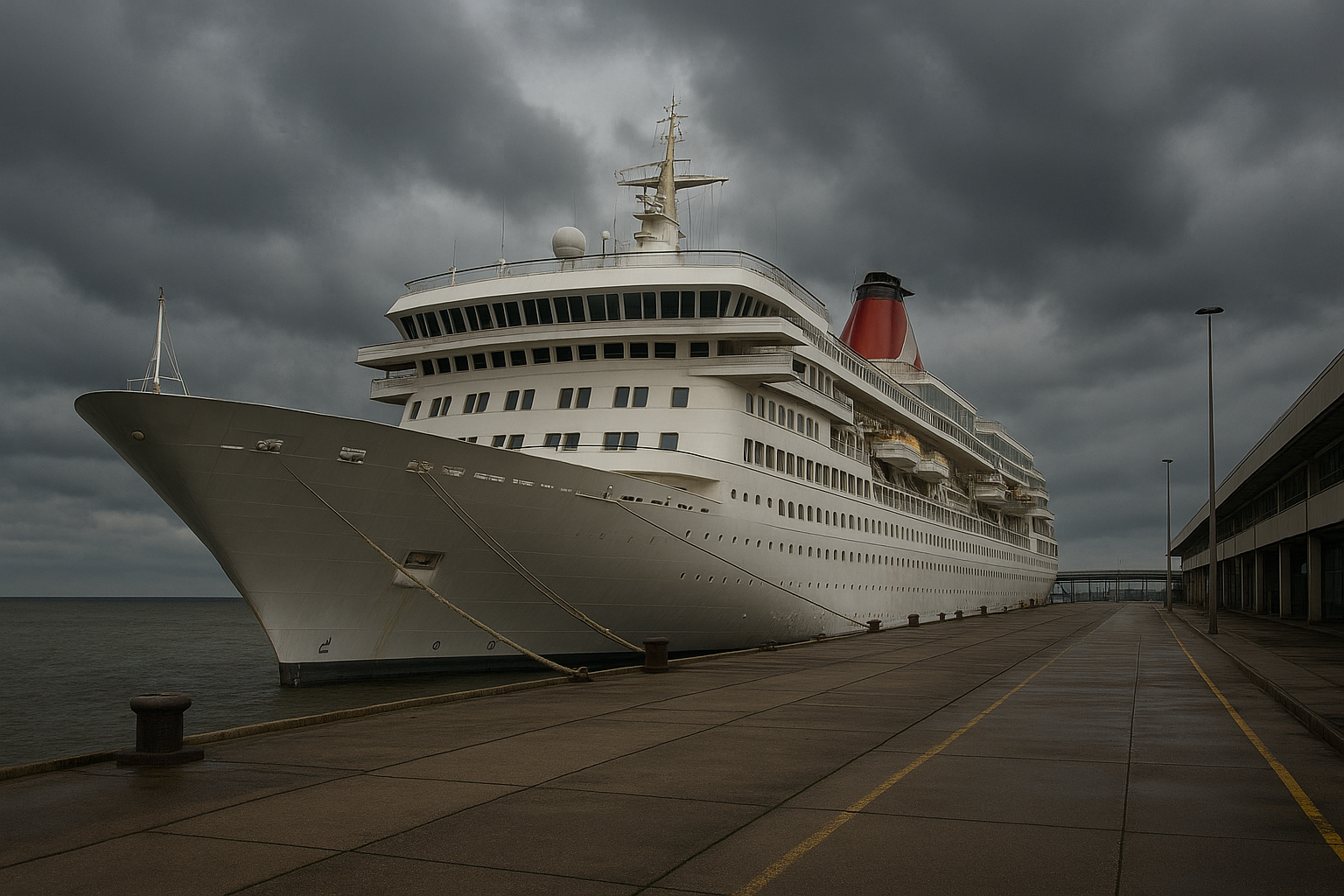
A stomach bug outbreak has turned a scenic Norwegian Fjords cruise into a health crisis, leaving 200 passengers sick aboard Fred Olsen Cruise Lines’ Balmoral and forcing the ship to cut short its voyage for emergency sanitization.
The 10-night cruise, which departed Southampton, England on January 20, was supposed to be a winter escape to Norway’s dramatic fjords. Instead, it became a floating quarantine zone as passengers fell ill with symptoms of gastroenteritis—a miserable combination of watery diarrhea, stomach cramps, nausea, vomiting, and fever, according to The Daily Beast.
With 1,200 passengers aboard, that means roughly one in six cruisers ended up sick. Not exactly the relaxing getaway anyone had in mind.
When a Vacation Becomes a Health Nightmare
One passenger who spoke to media described how quickly things went south. While crew members worked to manage the situation, “conditions on the ship quickly deteriorated,” they said, with the atmosphere becoming “uncomfortable” as more and more guests fell ill.
For anyone who’s ever experienced gastroenteritis—or even just witnessed someone going through it—you know how absolutely miserable it is. Now imagine being stuck on a ship with 200 other people dealing with the same thing. The shared bathrooms, the dining rooms, the close quarters… it’s a recipe for rapid spread and collective misery.
Fred Olsen’s health services director Kate Bunya confirmed the vessel would return to Southampton for what the company diplomatically called “a thorough cleaning” of both the ship and the cruise terminal. Translation: they’re going to sanitize every surface multiple times over before letting anyone else board.
The Norovirus Culprit
While Fred Olsen hasn’t officially confirmed which specific pathogen caused the outbreak, the company acknowledged that “some guests on Balmoral had reported gastrointestinal-related/Norovirus symptoms during the cruise.” Norovirus is the usual suspect in these cruise ship outbreaks—it’s highly contagious, spreads like wildfire in enclosed environments, and can survive on surfaces for days even with regular cleaning.
The Mayo Clinic defines gastroenteritis as “intestinal infection that includes signs and symptoms such as watery diarrhea, stomach cramps, nausea or vomiting, and sometimes fever.” Most healthy adults recover within a few days, but for elderly passengers or those with compromised immune systems, it can be more serious.
This is exactly why cruise lines have such strict protocols around reporting illness and why you’ll see hand sanitizer stations everywhere on modern ships. One sick passenger can quickly become dozens, then hundreds.
Not Just a Bug—Weather Wreaked Havoc Too
As if mass illness wasn’t enough, the Balmoral also had to deal with severe winter weather. The ship was forced to cancel its scheduled stop at Lerwick in Scotland’s Shetland Islands on January 27, where passengers had hoped to witness the annual Up-Helly-Aa fire festival—one of Europe’s largest fire festivals and a major draw for winter cruises to this region.
Storm conditions made berthing unsafe, so the vessel altered course “in the interests of navigation and safety.” For passengers who weren’t already quarantined in their cabins with a stomach bug, missing this highlight of the itinerary was another frustrating blow.
What This Means for Fred Olsen and Future Cruises
Fred Olsen responded by implementing containment procedures and keeping medical teams available throughout the voyage. Upon return to Southampton on January 30, the company delayed departure for the Balmoral’s next scheduled cruise to allow time for enhanced cleaning of both the vessel and the terminal.
After the sanitization measures, the ship resumed service with a 15-day Norway voyage scheduled to conclude on February 14. Let’s hope they got every last trace of that virus.
In their statement, the company emphasized that “protecting passengers and crew remains the company’s top priority” and confirmed that “strict hygiene and safety protocols are in place.” These are the right words, but for the 200 passengers who spent their expensive vacation hugging a toilet bowl, it’s cold comfort.
The Bigger Picture on Cruise Ship Illness Outbreaks
Gastroenteritis outbreaks on cruise ships aren’t uncommon, though they always make headlines because of the dramatic nature—hundreds of people getting sick in an enclosed space is inherently newsworthy. The CDC even tracks these outbreaks through its Vessel Sanitation Program and publishes regular reports.
The reality is that cruise ships are actually monitored more closely for illness than most land-based hotels or resorts. The difference is that when an outbreak happens on a ship, everyone knows about it because everyone is literally in the same boat. When the same bug sweeps through a beach resort, guests check out and go home without anyone connecting the dots.
That said, cruise lines have a responsibility to maintain the highest standards of cleanliness and to respond swiftly when outbreaks occur. Fred Olsen’s decision to delay the next sailing for deep cleaning is the right move, even if it inconvenienced passengers waiting to board.
What Can Cruisers Learn From This?
If you’re planning a cruise—on Fred Olsen or any other line—here are some practical takeaways:
Wash your hands obsessively. Not just after using the bathroom, but before every meal, after touching handrails, after using the elevator buttons. Hand sanitizer is good, but soap and water is better for norovirus.
Report symptoms immediately. If you start feeling sick, tell the medical staff right away. Yes, you might end up quarantined in your cabin, but you’ll get care and you’ll prevent spreading it to others.
Consider travel insurance. A medical evacuation or having to cut a trip short due to illness can be incredibly expensive. Good travel insurance that covers medical issues is worth every penny.
Don’t cruise if you’re already sick. This should go without saying, but if you’re experiencing any gastro symptoms before boarding, reschedule. Most cruise lines will work with you, and it’s far better than becoming patient zero for an outbreak.
The Balmoral incident is a reminder that even with the best protocols, outbreaks can happen. What matters most is how quickly and effectively the cruise line responds—and in this case, Fred Olsen did take the outbreak seriously by implementing containment measures, providing medical support, and conducting thorough sanitization before the next sailing.
For those 200 passengers, though, this Norwegian Fjords cruise will be remembered for all the wrong reasons. Here’s hoping their next vacation goes more smoothly.