
France Just Approved a €15 Tax on Every Cruise Port Stop—Here's What It Means for Your Next Mediterranean Voyage
The French Senate has approved a controversial €15-per-port passenger tax on cruise ships visiting France, potentially adding hundreds to family cruise costs starting in 2026.
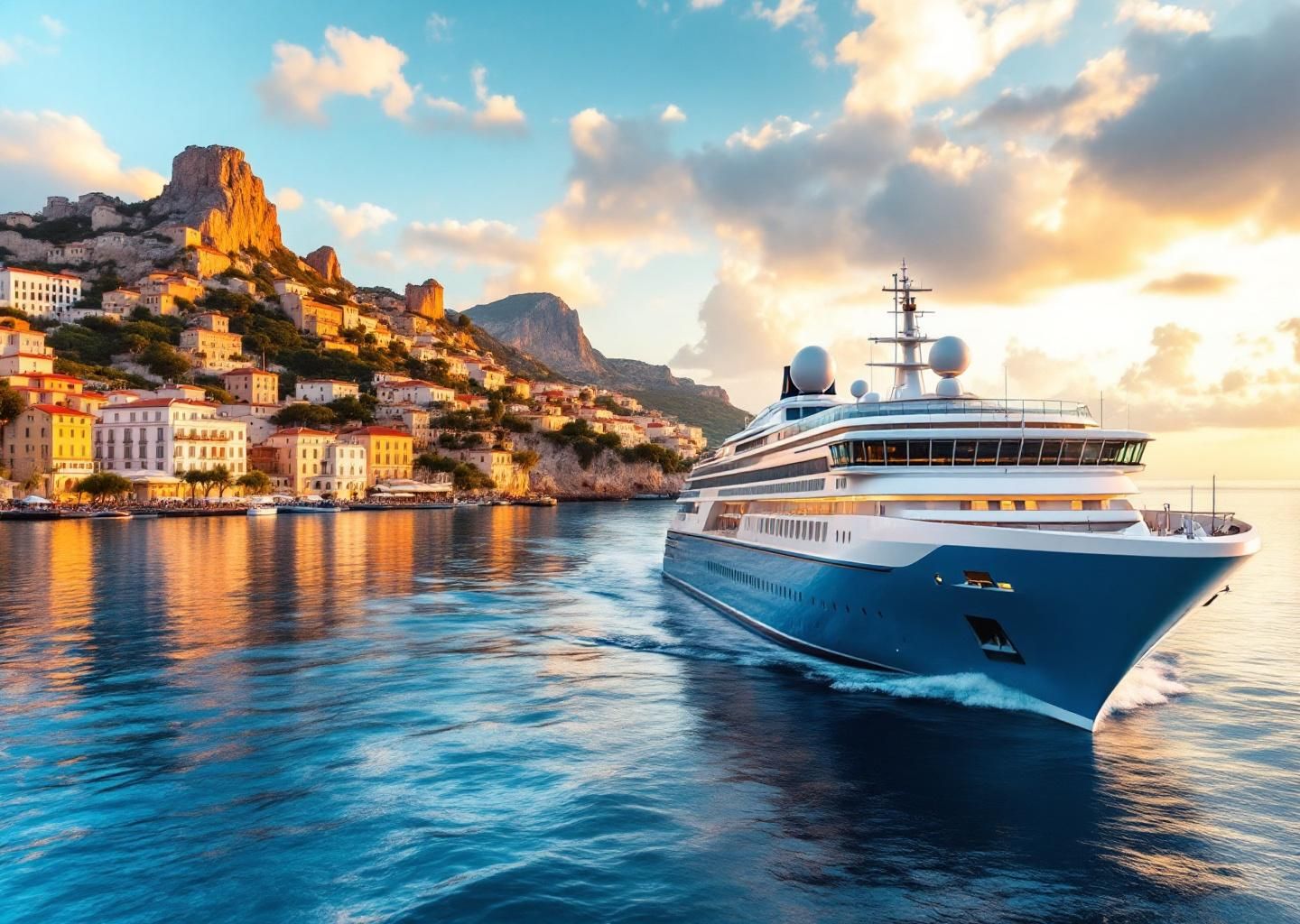
If you’re planning a Mediterranean cruise that includes stops in France, your vacation just got more expensive. The French Senate has approved a new €15 per passenger tax at every French port of call—a move that has the cruise industry pushing back hard and could significantly impact cruise pricing starting in 2026.
According to Cruise Industry News, the Senate voted on December 1st to implement what lawmakers are calling an “ecological tax” designed to offset the environmental impact of cruise tourism on French coastlines and port cities.
But here’s where it gets expensive: this isn’t a one-time fee per cruise. It’s €15 per passenger at every single French port you visit.
The Math That Should Worry Cruise Passengers
Let’s break down what this actually means for your wallet.
Planning a typical Western Mediterranean cruise that stops in Marseille, Cannes, and Nice? That’s €45 per person just in French port taxes. Traveling as a family of four? You’re looking at an additional €180 in taxes before you even set foot on the ship.
And if you’re booking one of those grand Mediterranean voyages that includes multiple French ports along the Riviera? The costs compound quickly. The tax would generate an estimated €75 million annually for France, which means that money is coming directly from cruise passengers’ pockets.
Why France Says This Tax Is Necessary
French lawmakers introducing the measure argued that it would compensate for the “particularly heavy” impact of international cruises on coastal and port areas. The revenue generated—that estimated €75 million per year—would be earmarked for environmental protection and enhancement of French coastlines.
The senators framing this as an environmental measure are tapping into growing concerns about cruise tourism’s impact on popular European destinations. Cities like Venice, Barcelona, and Dubrovnik have already implemented various restrictions and fees to manage overtourism, and France appears to be following suit.
But not everyone in the French government is on board with this plan.
The Opposition and Industry Backlash
Budget Minister Amélie de Montchalin opposed the tax, pointing out a significant flaw: it doesn’t differentiate between cruise ships and ferries. This means the tax could also apply to UK-France ferry crossings, potentially affecting a much broader swath of travelers than just cruise passengers.
The Cruise Lines International Association (CLIA) has been even more vocal in its criticism. In their response, CLIA stated: “Cruise operations in Europe are already contributing substantially to national and EU climate funds. Adding a €15 per passenger fee at every French port of call would effectively be taxing the same emissions twice.”
CLIA’s argument centers on the fact that cruise lines already comply with the EU Emissions Trading System (ETS), which puts a price on carbon emissions. They contend that this new tax layers additional charges on top of existing environmental compliance costs without providing clear additional environmental benefits.
The cruise industry organization emphasized that “cruise lines share France’s commitment to protecting coastal environments” but questioned whether this tax represents the most effective approach to achieving those environmental goals.
What Happens Next
Here’s the critical timeline: while the French Senate has approved this measure, it’s not yet law. The proposal still needs to pass through the National Assembly—the lower house of the French Parliament—which is scheduled to discuss it in mid-December at the earliest.
The tax is currently proposed as an amendment to France’s 2026 budget. If it clears both chambers of Parliament, it would likely take effect with the 2026 cruising season, giving cruise lines just months to adjust their pricing and itineraries.
The Bigger Picture for Mediterranean Cruising
This development is part of a broader trend across Europe as popular cruise destinations grapple with the environmental and infrastructure impacts of cruise tourism. The question facing the industry now is whether other European countries will follow France’s lead.
Spain, Italy, and Greece—all major Mediterranean cruise destinations—will be watching closely to see how this plays out. If France successfully implements this tax and generates significant revenue, it could set a precedent for similar measures across the region.
For cruise lines, the implications are significant. They’ll need to decide whether to absorb these costs, pass them directly to passengers, or potentially adjust their Mediterranean itineraries to reduce the number of French port calls. None of these options are particularly appealing from a business perspective.
What This Means for Your Cruise Planning
If you’re booking a Mediterranean cruise for 2026 or beyond, here’s what you should consider:
Book early if you’re considering French ports. Once this tax takes effect, you can expect cruise fares for France-heavy itineraries to increase. Some cruise lines may honor pre-tax bookings, though that’s not guaranteed.
Watch for itinerary changes. Don’t be surprised if cruise lines start reducing the number of French ports in their Mediterranean itineraries. Marseille, Nice, and other French Riviera stops could become less common if the tax makes these ports less economically attractive.
Budget for higher port fees. Even if you’ve already booked, cruise lines typically reserve the right to pass along government-imposed taxes and fees. Read your booking terms carefully.
Consider the timing. If the National Assembly debates run long or the measure gets delayed, there might be a brief window in early 2026 before the tax takes effect. However, banking on political delays is risky cruise planning.
The Environmental Debate
Setting aside the immediate financial impact, this tax raises important questions about how we address the environmental footprint of cruise tourism.
Supporters of the tax argue that cruise ships do place genuine strain on coastal ecosystems and port infrastructure, and that visitors should contribute to maintaining and protecting these resources. The counterargument from the industry is that multiple layers of environmental fees and regulations create economic barriers without necessarily improving environmental outcomes.
The effectiveness of this tax will likely depend on how France actually uses the revenue. If the €75 million annually goes directly to coastal protection, marine conservation, and sustainable port infrastructure, it could represent a meaningful investment in preserving the destinations that make French Mediterranean cruising attractive in the first place.
But if the revenue simply disappears into general budget funds without clear environmental benefits, it will be harder to justify the additional burden on travelers and the cruise industry.
Looking Ahead
The next few weeks will be critical as the National Assembly debates this measure. The cruise industry will likely continue lobbying against it, while environmental groups and some local governments may push for its passage.
For now, cruise passengers planning Mediterranean itineraries should stay informed and be prepared for potential price increases or itinerary adjustments. The days of relatively affordable French port calls may be coming to an end.
What’s clear is that the cruise industry’s relationship with European destinations is evolving. As these popular ports seek to balance tourism revenue with environmental and infrastructure concerns, passengers may need to accept that the true cost of cruise travel—including its environmental impact—is increasingly being reflected in the price tag.
The €15 per port tax might seem modest at first glance, but it represents something larger: a fundamental shift in how European destinations are approaching cruise tourism. And France likely won’t be the last country to implement such measures.