
Cruise Ships Are Cleaner Than Ever — The Numbers Prove It
CDC data shows cruise ship illness outbreaks have dropped 88% in early 2026 compared to the same period in 2025. Here's what the numbers mean for passengers.
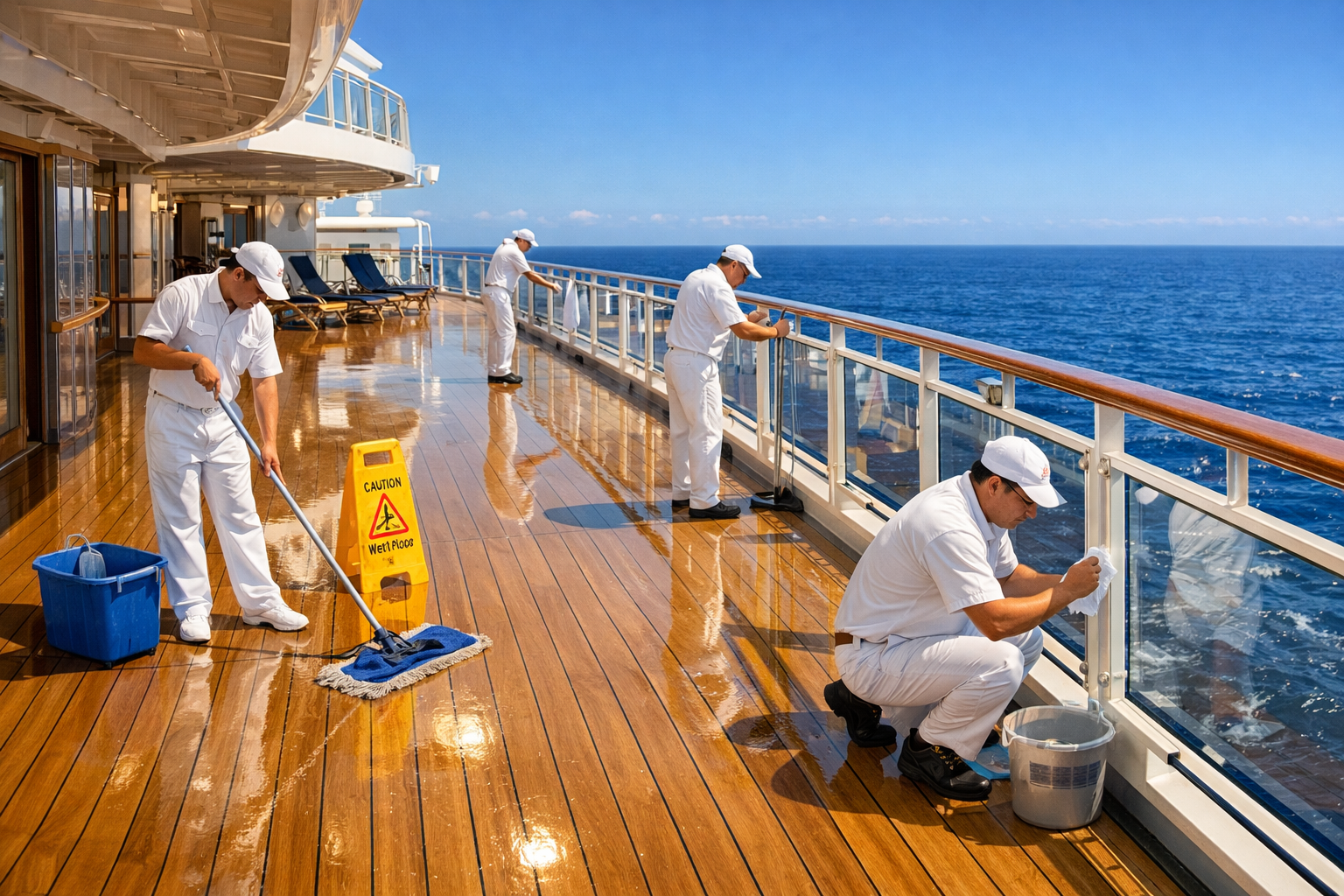
Norovirus. Gastrointestinal outbreaks. For many would-be passengers, these words have long lingered as a reason to hesitate before booking a cruise. But new data from the Centers for Disease Control and Prevention tells a dramatically different story heading into 2026 — one the cruise industry has every right to celebrate.
According to a report published February 28, 2026, by Cruise Fever, illness outbreaks aboard cruise ships have plummeted by 88% through the first two months of 2026 compared to the same period in 2025. That is not a rounding error. That is a near-total turnaround in one of the cruise industry’s most persistent public perception challenges.
What the CDC Data Actually Shows
The numbers are stark. In January and February of 2025, the CDC’s Vessel Sanitation Program (VSP) logged eight separate illness outbreaks across six different cruise lines — including household names like Royal Caribbean, Princess Cruises, Holland America Line, Viking, and Silversea. Six of those eight outbreaks were caused by norovirus. One was tied to E. coli, and one involved suspected ciguatera or marine toxin poisoning.
Fast forward to the same window in 2026, and there has been exactly one outbreak reported to the CDC. It occurred on the January 11 sailing of the Seven Seas Mariner, when 21 passengers — 3.3% of those aboard — reported gastrointestinal illness. That was enough to meet the CDC’s threshold for classification as an “outbreak,” which kicks in when 3% or more of passengers or crew fall ill, or when 2% report GI symptoms. But one incident across the entire industry, over two full months, represents a level of shipboard health the sector has rarely, if ever, seen in recent memory.
Why This Matters More Than You Might Think
The cruise industry has battled the “floating petri dish” narrative for decades, and that reputation has had a measurable effect on consumer behavior. Surveys routinely show that health and sanitation concerns rank among the top reasons non-cruisers cite for avoiding the experience. A single viral news story about a norovirus outbreak can suppress bookings for months.
That makes an 88% reduction in outbreaks more than just a public health milestone — it is a commercial one. Lines that can credibly point to CDC data showing fewer outbreaks than at any recent point have a genuinely powerful marketing argument on their hands, one grounded in verifiable government statistics rather than promotional copy.
For passengers who have quietly worried about getting sick at sea, these numbers should offer real reassurance. The odds of sailing into an outbreak situation in early 2026 are as low as the data has shown in years.
What Drove the Improvement
The cruise industry has been systematically overhauling its health infrastructure since the pandemic forced every major operator to rebuild protocols from scratch. While the immediate COVID-era measures like vaccination requirements and testing mandates have largely been retired, many of the underlying hygiene systems they introduced remain firmly in place.
The improvements cited in the reporting include enhanced cleaning regimens across all ship areas, dramatically increased disinfection of high-touch surfaces like elevator buttons, stair railings, and buffet stations, and more aggressive handwashing education for both passengers and crew. Early isolation protocols for symptomatic passengers — designed to contain illness before it spreads through a ship population of thousands — have also become more standardized across lines.
The CDC’s Vessel Sanitation Program provides structure to this effort. Ships calling at U.S. ports are subject to at least two unannounced health inspections annually, and lines are required to notify the VSP whenever illness rates aboard reach or approach threshold levels. That regulatory accountability, combined with the industry’s own reputational incentives to keep ships healthy, has created a consistent pressure toward better sanitation practices.
One Caveat Worth Naming
It would be premature to declare a permanent inflection point based on two months of data. Illness outbreak rates fluctuate from year to year, influenced by factors ranging from passenger demographics to the specific norovirus strains circulating in a given season. The unusually low outbreak count in early 2026 could reflect improved protocols, favorable conditions, or some combination of both.
What we can say with confidence is that the trend, at least for now, is moving in the right direction — and that the gap between 2025 and 2026 is wide enough to suggest something structural, not just statistical noise, may be at work.
The Bottom Line
The cruise industry has made a compelling case that its ships are healthier environments than their reputation has historically suggested, and the CDC data from the first two months of 2026 backs that up in striking fashion. Eight outbreaks across six cruise lines in early 2025. One outbreak in early 2026. That trajectory should carry real weight with hesitant travelers who have held off on booking because of health concerns.
If cleaner ships translate to more confident passengers, the entire industry benefits — and right now, the data says the ships have never been cleaner.