
A Cruise Ship Will House 4,000 Athletes at Japan's Upcoming Asian Games
Costa Serena will serve as a floating Olympic village for the 2026 Asian Games in Nagoya, housing 4,000 athletes in a cost-saving innovation.
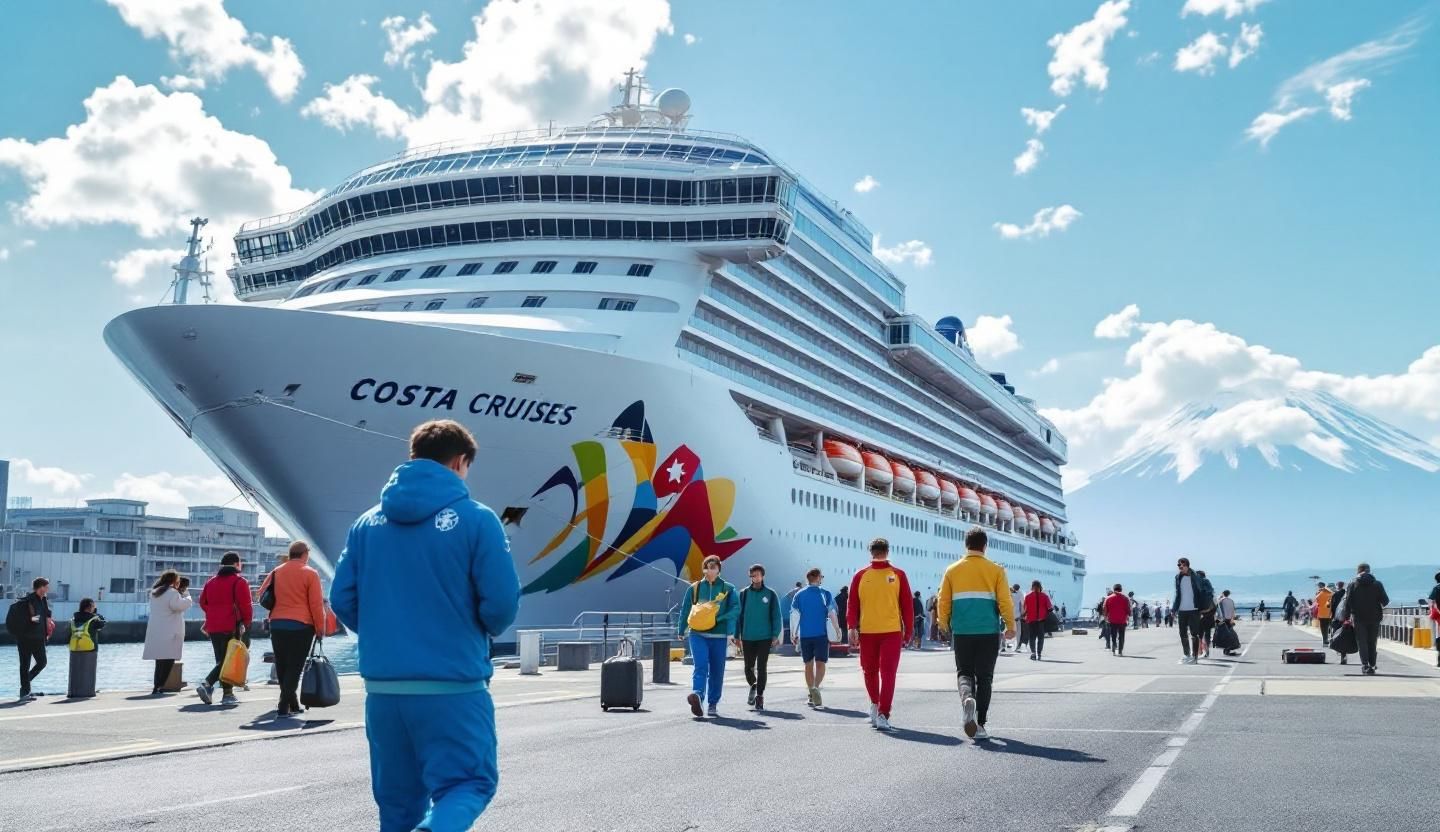
When the 2026 Aichi-Nagoya Asian Games kick off this September in Japan, thousands of world-class athletes won’t be staying in a traditional Olympic village. Instead, they’ll be calling a Costa Cruises ship their temporary home—a floating athletes village docked at Nagoya Port.
The Organizing Committee of the 2026 Aichi-Nagoya Asian Games announced it has chartered the Costa Serena to serve as primary accommodation during the games, which run from September 19 to October 4, 2026. Approximately 4,000 athletes and support staff will reside aboard the vessel, with an additional 2,400 housed in temporary accommodations and nearby hotels.
Why Choose a Cruise Ship?
The decision to use a cruise ship as a floating Olympic village wasn’t made on a whim. The organizing committee determined that building traditional, permanent athletes’ accommodations would be prohibitively expensive—a concern that resonates with many host cities grappling with the astronomical costs of major sporting events.
This approach isn’t entirely unprecedented. The committee drew inspiration from the 2019 Summer Universiade in Naples, Italy, where two cruise ships successfully hosted over 4,000 delegates from more than 70 countries. That event proved the viability of using cruise vessels as temporary athlete housing for large-scale international competitions.
The Costa Serena will remain docked at Kinjo Pier in Nagoya Port from September 15 through October 6, 2026—bookending the actual competition dates to allow for athlete arrivals and departures. JTB’s Nagoya Business Division, acting as the charter operator, will coordinate with Costa Cruises to ensure smooth operations throughout the event.
What’s the Price Tag?
The charter contract, signed on September 30, 2025, is valued at 4.5 billion yen—approximately $30 million USD. While that might sound steep, it’s likely a fraction of what constructing a purpose-built athletes village would cost, especially considering Japan’s high construction costs and land values.
This financial pragmatism represents a growing trend in major sporting events. Host cities and organizing committees increasingly look for creative solutions to avoid the “white elephant” problem—expensive facilities that sit unused or underutilized after the games conclude.
Full-Service Floating Village
The Costa Serena won’t just provide beds. According to the announcement, the ship will offer a comprehensive range of services comparable to traditional athletes’ villages, including meal provision, recreation areas, and dedicated medical and support facilities. Think of it as a self-contained community that happens to float.
For athletes, this could actually be a unique benefit. Cruise ships are designed for passenger comfort and entertainment, with amenities that might exceed what a hastily constructed temporary village could offer. Dining facilities, fitness centers, medical bays, and communal spaces are all built into the ship’s existing infrastructure.
The vessel also provides natural isolation and security—athletes can focus on their competitions without the distractions of a city around them, yet they’re still just a short transfer away from competition venues.
The Ship’s Journey
The Costa Serena’s role in the Asian Games is part of a busy schedule for the vessel. The ship underwent major refurbishment in late 2025, preparing it for this high-profile charter. After the games conclude, the Costa Serena will reposition to South America for a 65-day voyage to Argentina, resuming its regular cruise operations.
This flexibility—the ability to move between commercial cruising and special charters—demonstrates the versatility of modern cruise ships and creates additional revenue streams for cruise lines during off-peak seasons or repositioning periods.
A Blueprint for Future Events?
As cities worldwide grapple with the financial burden of hosting major sporting events, the Costa Serena charter might represent a blueprint for future games. The 2026 Winter Olympics in Milan-Cortina and the 2028 Summer Olympics in Los Angeles are already exploring cost-saving measures and temporary accommodations.
Using existing cruise ships eliminates construction costs, reduces environmental impact, and provides world-class accommodations that simply sail away when the event ends. No abandoned buildings, no long-term maintenance costs, no debates about what to do with underused facilities.
For cruise lines, these charters offer lucrative opportunities during shoulder seasons and provide global exposure. For organizing committees, they solve the accommodation challenge with a turnkey solution. For athletes, they get comfortable, well-appointed housing with built-in amenities.
What This Means for Cruisers
If you’re a Costa Cruises enthusiast, you might notice the Costa Serena missing from the cruise schedule during September and early October 2026. The ship will be entirely dedicated to the Asian Games during this period, so plan your Asian cruise adventures accordingly.
The broader implication, however, is that cruise ships are increasingly seen as flexible, mobile assets that can serve purposes beyond traditional vacation cruising. From temporary housing to emergency accommodations to floating hotels during major events, the industry’s vessels are proving their versatility.
As the cruise industry continues to expand its fleet and seek new revenue opportunities, we may see more ships taking on these alternative roles—providing solutions to logistical challenges while keeping vessels productive and crews employed.
When the athletes from across Asia gather in Nagoya this September, they’ll experience something most Olympic and Asian Games competitors never have: a floating village with ocean views. It’s an innovative solution to an age-old problem, and one that could change how future sporting events approach athlete accommodations.