
Expedition Cruise Ship Strikes Reef in Papua New Guinea—All 123 Aboard Safe
Coral Adventurer runs aground on PNG reef with 123 aboard—everyone safe but vessel stuck awaiting rescue in the ship's first voyage since passenger death investigation.
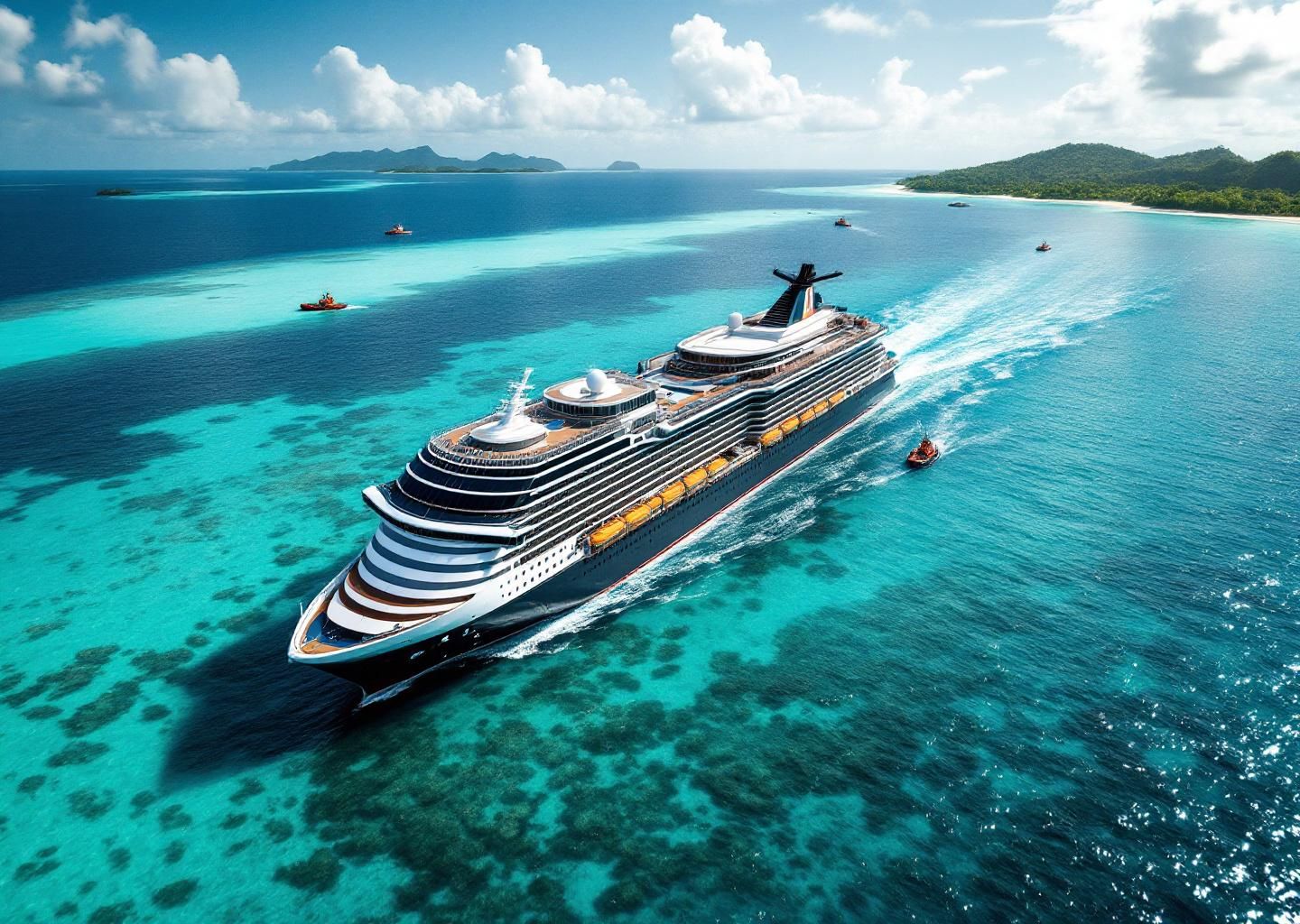
Australian expedition vessel Coral Adventurer ran aground on a coral reef near Lae, Papua New Guinea on December 27, 2025, stranding 80 passengers and 43 crew members in a dramatic incident that marks the ship’s first voyage since a passenger death investigation.
The Incident
The 2019-built, 5,516-ton Coral Adventurer struck a reef approximately 30 kilometers east of Lae between Kumbam and Nussing islands on the morning of December 27, 2025, according to Cruise Passenger. The crew notified relevant authorities around 6:00 AM local time after the vessel became stuck on the reef.
All 80 passengers and 43 crew members aboard were reported safe, with no immediate injuries detected. A spokesperson for Coral Expeditions confirmed that “all passengers and crew are safe” and that “an initial inspection indicates no damage to the vessel.”
Coordinated Response Underway
The grounding prompted immediate coordination between Papua New Guinea maritime authorities and Australia’s Australian Maritime Safety Authority (AMSA). An officer from the PNG Maritime Rescue Coordination Centre boarded the ship to provide assistance with the incident.
According to tracking data, PacTow tugboats were dispatched from Lae to assist the stranded vessel. The ship was reportedly awaiting high tide to facilitate refloating operations, with early assessments suggesting the vessel remained structurally sound despite being grounded.
A Troubled Context
The timing of this incident adds another layer of complexity to what has already been a difficult period for Coral Expeditions. The grounding occurred during the vessel’s first voyage back at sea following a tragic event in October involving 80-year-old passenger Suzanne Rees, who died during a shore excursion on Lizard Island.
Multiple investigations remain ongoing into that earlier incident, and now Coral Expeditions may face additional scrutiny following this latest mishap. The current cruise departed Cairns on December 18, reached Papua New Guinea on December 20, and passengers were originally scheduled to disembark on December 30—a timeline now complicated by the grounding.
The Challenges of PNG Waters
Expedition cruising in Papua New Guinea presents unique navigational challenges that may have contributed to this incident. Maritime experts have long pointed out that areas of PNG waters remain un-charted or poorly charted, creating potential hazards for vessels navigating the region’s complex reef systems.
The Coral Adventurer specializes in expedition cruising to remote destinations, where detailed nautical charts may not be as comprehensive as those for major shipping lanes. This incident highlights the inherent risks of exploring lesser-traveled maritime routes, even with modern navigation technology.
What Happens Next
While preliminary reports indicate no damage to the vessel or environmental impact from the grounding, a full investigation will likely be conducted by both Papua New Guinea and Australian authorities. The company will need to safely evacuate passengers, refloat the vessel, and conduct thorough inspections before the ship can resume operations.
For the 80 passengers aboard what was meant to be an adventurous expedition cruise, the experience has certainly lived up to the “adventure” part of the itinerary—though not in the way they likely anticipated. The incident serves as a reminder that expedition cruising, while offering access to remarkable destinations, carries inherent risks that differ from traditional cruise vacations.
As the maritime community watches how this situation unfolds, questions will inevitably arise about safety protocols, chart accuracy in remote waters, and whether additional measures are needed to prevent similar incidents in the future.