
Storm Damage Leaves Royal Caribbean's Private Island Paradise in Limbo
An intense winter storm damaged CocoCay's eastern pier, forcing Royal Caribbean to limit its private island to one ship per day and skip scheduled port calls entirely.
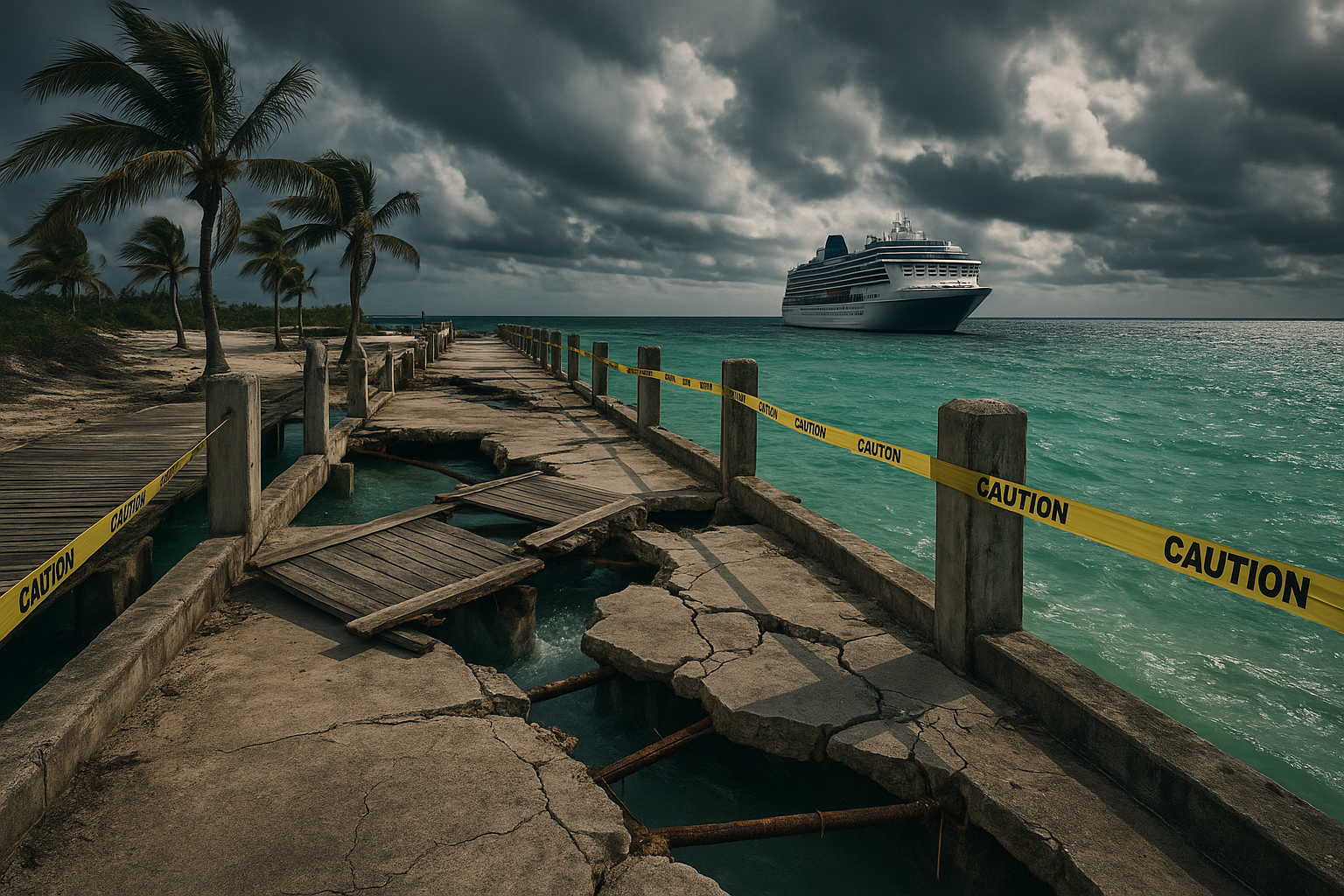
When Royal Caribbean guests woke up on February 3, 2026, many were looking forward to their scheduled stop at Perfect Day at CocoCay, the cruise line’s private island destination in the Bahamas. Instead, they learned their ships would be skipping the much-anticipated port call entirely. The culprit? An unusually intense winter storm that swept through the region over the weekend, leaving significant damage in its wake.
According to Royal Caribbean Blog, an intense winter storm brought strong winds and heavy seas to the Bahamas over the weekend of January 31, 2026. The tempest caused multiple catwalks on the eastern side of the CocoCay pier to break free and fall into the water—some of which divers have been unable to locate. This damage has created a significant operational challenge for Royal Caribbean, forcing the cruise line to limit access to what is normally one of its most popular destinations.
One Ship at a Time: A Major Operational Shift
The damage to CocoCay’s pier infrastructure has created an unprecedented bottleneck for Royal Caribbean. While the western side of the pier remains operational and safe for docking, the eastern side is completely out of commission. This means that instead of accommodating two cruise ships simultaneously—as CocoCay typically does—the island can now only welcome one vessel per day.
For a cruise line that has invested hundreds of millions of dollars into transforming CocoCay into a Caribbean showcase destination, this represents a substantial operational challenge. The island is featured on numerous Royal Caribbean and Celebrity Cruises itineraries throughout the Caribbean, and most sailing schedules are built around the assumption that multiple ships can visit on any given day.
Several ships have already felt the impact. Freedom of the Seas had to skip its planned February 3 stop entirely, while Celebrity Reflection was diverted to Freeport on February 4 instead. Wonder of the Seas, meanwhile, was fortunate enough to secure one of the limited daily slots and proceeded with its visit as scheduled.
Why This Matters More Than You Think
CocoCay isn’t just another port of call for Royal Caribbean—it’s a cornerstone of the brand’s Caribbean strategy and a major differentiator in a competitive market. The cruise line has poured enormous resources into developing the island, which now features attractions like the tallest waterslide in North America, multiple beaches, cabanas, a wave pool, and even a helium balloon ride that lifts guests 450 feet above the island for panoramic views.
More importantly, CocoCay represents a controlled environment where Royal Caribbean can deliver a guaranteed experience regardless of local infrastructure challenges or political uncertainties that sometimes affect traditional Caribbean ports. When a cruise ship visits CocoCay, passengers aren’t dealing with aggressive taxi drivers, questionable beach vendors, or safety concerns. It’s a curated, branded experience that reliably generates high guest satisfaction scores.
The financial implications are significant as well. Private island destinations generate substantial revenue for cruise lines through upcharge experiences like cabanas, water sports, specialty dining, and shore excursions. When ships skip CocoCay, Royal Caribbean loses that revenue opportunity while passengers lose the experience they were expecting when they booked their cruise.
The Bigger Picture: Infrastructure Vulnerability
This incident highlights a vulnerability that rarely gets discussed in the cruise industry’s endless parade of new ship announcements and destination expansions. The infrastructure that makes modern cruising possible—piers, terminals, fueling stations, and supply chains—exists in some of the world’s most hurricane- and storm-prone regions.
CocoCay’s pier damage underscores how even a single weekend storm can have cascading effects on operations for weeks or potentially months. We’re now in February, typically a calm month in the Caribbean, and a winter storm managed to cause significant structural damage. This raises important questions about resilience and redundancy in cruise infrastructure, especially as climate patterns continue to evolve and potentially intensify.
Royal Caribbean has issued statements acknowledging the temporary pier issue and has been working to manage itinerary adjustments for affected guests. The cruise line’s operations team is undoubtedly working to expedite repairs, but marine construction projects in remote island locations are notoriously complex and weather-dependent. Until the missing catwalks can be located or replaced and the eastern pier section restored to full operational status, Royal Caribbean will need to continue carefully orchestrating which ships can visit and when.
What This Means for Future Guests
If you have a Royal Caribbean or Celebrity cruise scheduled in the coming weeks with a CocoCay stop on the itinerary, you should mentally prepare for the possibility of a port change or sea day instead. The cruise line has been proactive about notifying guests and adjusting itineraries, but the ultimate timeline for repairs remains uncertain.
For those whose CocoCay visit goes forward as planned, you’ll likely notice only one ship at the island during your visit—which, from a guest perspective, might actually be a positive. Fewer passengers means shorter lines for popular attractions, more available beach space, and a generally less crowded experience.
The storm damage at CocoCay serves as a reminder that even in our era of massive, incredibly sophisticated cruise ships and carefully curated private island experiences, Mother Nature still writes the final itinerary. Royal Caribbean’s challenge now is to restore full operational capacity to one of its flagship destinations as quickly as possible while managing the complex logistics of redirecting dozens of ships and hundreds of thousands of passengers in the interim.
Sources: