
Every Cabin on This Cruise Ship Now Has a Smart Tablet—Here's What It Can Do
Celestyal Journey becomes the first cruise ship to equip all 630 staterooms with digital tablets, letting passengers order room service, book restaurants, and manage their entire cruise experience without leaving their cabin.
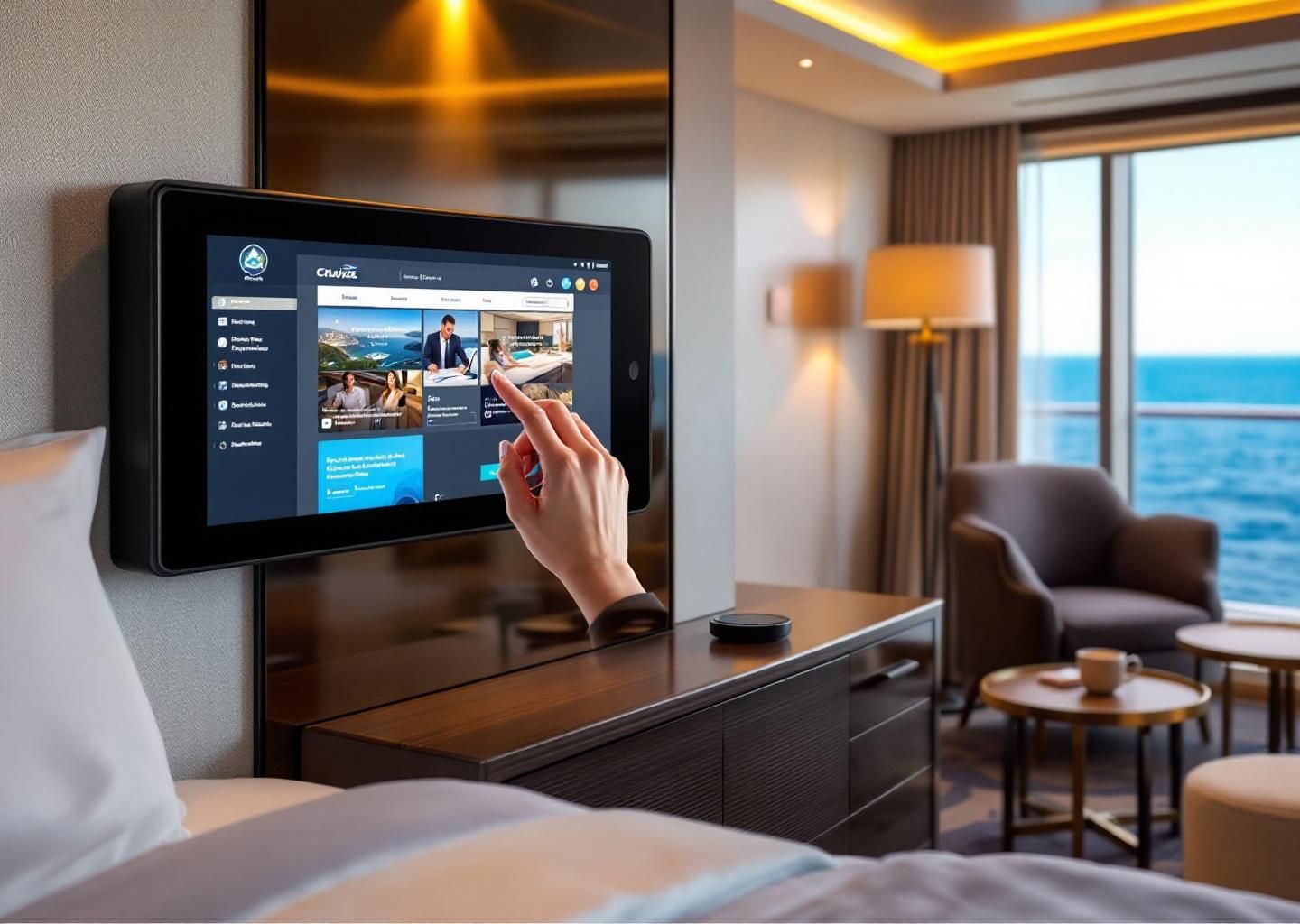
Celestyal has just made cruise ship history by becoming the first cruise line to install guest experience tablets in every single stateroom across one of its vessels. The Greek cruise operator completed the rollout of SuitePad tablets across all 630 cabins aboard the Celestyal Journey in late January 2026, fundamentally changing how passengers interact with their cruise experience.
The move positions Celestyal as a technology pioneer in an industry that has traditionally relied on printed schedules, phone calls to guest services, and trips to the purser’s desk to manage the onboard experience. Now, every guest aboard the 1,260-passenger Celestyal Journey has a digital concierge sitting right in their cabin.
What the Tablets Actually Do
The SuitePad tablets aren’t just digital brochures. Passengers can use the devices to handle a wide range of service requests and purchases without ever picking up the phone or leaving their room.
Guests can order room service, request cabin upgrades, make purchases from onboard shops, and reserve tables at specialty restaurants—all from the tablet. The devices also display deck plans and entertainment schedules, replacing the stacks of printed flyers and daily programs that typically clutter cruise ship cabins.
This represents a significant shift in how cruise lines communicate with their guests. Instead of passive information delivery through printed materials, passengers now have an active, interactive interface that puts control at their fingertips.
Why This Matters for the Cruise Industry
While in-cabin tablets aren’t entirely new to hospitality—luxury hotels have been experimenting with them for years—Celestyal’s fleet-wide deployment on a cruise ship is unprecedented. The cruise industry has generally lagged behind land-based hospitality when it comes to digital innovation, with many ships still relying heavily on analog systems.
Lee Haslett, Chief Commercial Officer at Celestyal, framed the initiative in terms of intuitive guest experience. “Technology should always make the cruising experience feel easier and more intuitive for our travelers,” Haslett stated in the announcement. “Our guests now have more control at their fingertips, while we also create smarter, more seamless ways to connect them with our onboard offering.”
The environmental angle shouldn’t be overlooked either. By replacing printed schedules, menus, and promotional materials with digital alternatives, cruise lines can significantly reduce paper waste—a meaningful step for an industry under increasing pressure to improve its environmental footprint.
The Guest Experience Angle
From a passenger perspective, the tablets solve several common cruise ship frustrations. Need to know what time the cooking demonstration starts? Check the tablet. Want to order a late-night snack without calling room service? Use the tablet. Trying to find the pool deck on a ship with 14 levels? Pull up the deck plan on your tablet.
The system also creates opportunities for more personalized service. Digital platforms can track guest preferences, suggest activities based on past behavior, and streamline everything from spa bookings to shore excursion reservations. For cruise lines, this generates valuable data about what guests actually want—information that can inform everything from entertainment programming to menu planning.
Moritz von-Petersdorf-Campen, CEO at SuitePad, emphasized this connectivity aspect: “With Celestyal, we’re extending our hospitality expertise to support clear, timely communication in the cabin, giving passengers an easy way to explore what’s available onboard.”
What’s Next for Cruise Ship Technology
Celestyal’s move raises an obvious question: Will other cruise lines follow suit? Given the competitive nature of the cruise industry, where lines constantly one-up each other with new amenities and features, we’d expect to see more tablet deployments in the coming months.
The technology could evolve beyond what Celestyal has implemented. Imagine tablets that integrate with your smartwatch to notify you when it’s time to return to the ship, or systems that let you unlock your cabin door from your phone. Some cruise lines are already experimenting with app-based experiences, but having a dedicated in-cabin device ensures every guest has access—not just those comfortable downloading and navigating mobile apps.
The real test will be guest adoption. Technology is only valuable if people actually use it. Cruise demographics skew older than many other vacation segments, and not every passenger will instinctively reach for a tablet to order breakfast. Celestyal will need to ensure the interface is genuinely intuitive and that staff are trained to help guests who prefer traditional service methods.
The Bigger Picture
This deployment reflects a broader shift in how cruise lines think about the guest experience. We’re moving from a model where the ship controls information flow to one where passengers have agency and choice. Want to plan every minute of your cruise down to the restaurant reservation? The tablet makes that easy. Prefer to go with the flow and see what catches your interest? The schedule is always accessible when you need it.
For Celestyal specifically, this positions the line as an innovator despite being smaller than mega-brands like Royal Caribbean or Carnival. The company operates Greek Islands and Mediterranean itineraries from April to November, then shifts to Arabian Gulf sailings from November to March. By investing in cabin technology, Celestyal is differentiating itself in a crowded market where destination and price often dominate booking decisions.
The SuitePad partnership also suggests Celestyal is taking a platform approach rather than building proprietary technology. This makes sense for a smaller operator—partner with established hospitality tech companies rather than reinventing the wheel. It also means other cruise lines could theoretically deploy similar systems relatively quickly.
Will It Actually Improve Your Cruise?
Here’s the honest assessment: For tech-savvy cruisers who value convenience and control, these tablets will be a genuine enhancement. Being able to manage dining, entertainment, and service requests from your cabin is objectively more convenient than hunting down guest services or making phone calls.
For passengers who prefer human interaction and don’t want technology mediating their vacation experience, the tablets might feel unnecessary—but they’re not mandatory. Traditional service methods will still exist alongside the digital options.
The real winner here is efficiency. Cruise ship crew members spend considerable time answering repetitive questions about deck layouts, activity schedules, and dining hours. Tablets can handle these routine inquiries automatically, freeing up staff to focus on more complex guest needs and personalized service.
As the cruise industry continues to expand—with massive new ships and record passenger numbers—technology that streamlines operations while improving guest experience becomes increasingly valuable. Celestyal’s tablet deployment is a relatively modest innovation on the surface, but it represents a meaningful step toward a more connected, responsive cruising experience.
Whether other cruise lines will rush to follow Celestyal’s lead remains to be seen. But in an industry where differentiation is increasingly difficult, being the first to offer something guests actually want can be a powerful competitive advantage.